Broken Rice Causes
Rice is one of the most widely consumed staple foods worldwide, and the quality of milled rice plays a significant role in consumer satisfaction and market value. One of the major challenges in rice milling is broken rice. High levels of broken rice not only reduce the market price but also affect consumer perception. Understanding the causes and prevention methods is crucial for rice millers.
Causes of Rice Breakage During Milling
- Poor Grain Quality
- Immature grains: Rice harvested before it fully matures tends to be soft and brittle, breaking easily during milling.
- High moisture content: Rice with excessive moisture can become too soft, leading to breakage under pressure. Conversely, overly dry grains can crack due to brittleness.
- Improper Storage
- Prolonged storage under unfavorable conditions (high humidity or fluctuating temperatures) weakens the rice structure, making it more prone to breaking.
- Inadequate Milling Techniques
- Over-milling: Applying too much pressure or multiple passes through the mill removes the protective bran layer excessively, causing grains to crack.
- Under-milling: Failing to remove the husk completely can lead to uneven milling, causing breakage in subsequent processing steps.
- Mechanical Factors
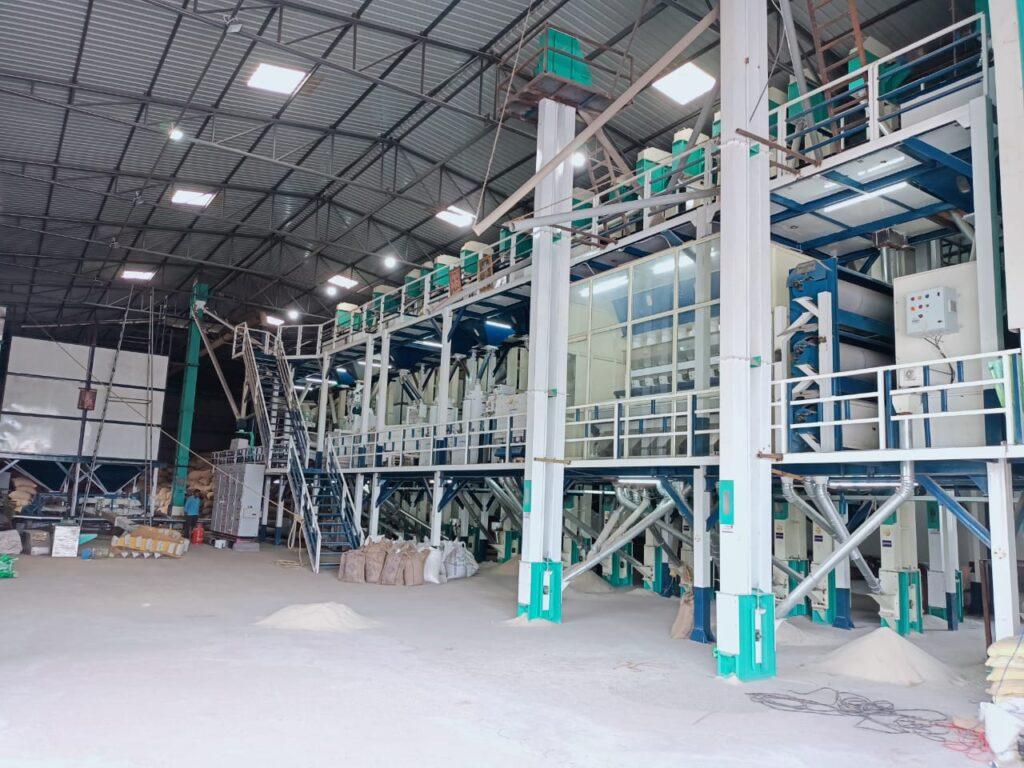
- Outdated or poorly maintained milling machinery can exert uneven pressure, leading to rice breakage.
- Incorrect settings, such as roller gap, friction, or speed, can also damage rice grains.
- Environmental Stress During Growth
- Conditions like drought, high temperatures, or pest attacks during the rice-growing season weaken the grain structure, increasing the likelihood of breakage during milling.
How to Avoid Rice Breakage
- Use High-Quality, Mature Grains
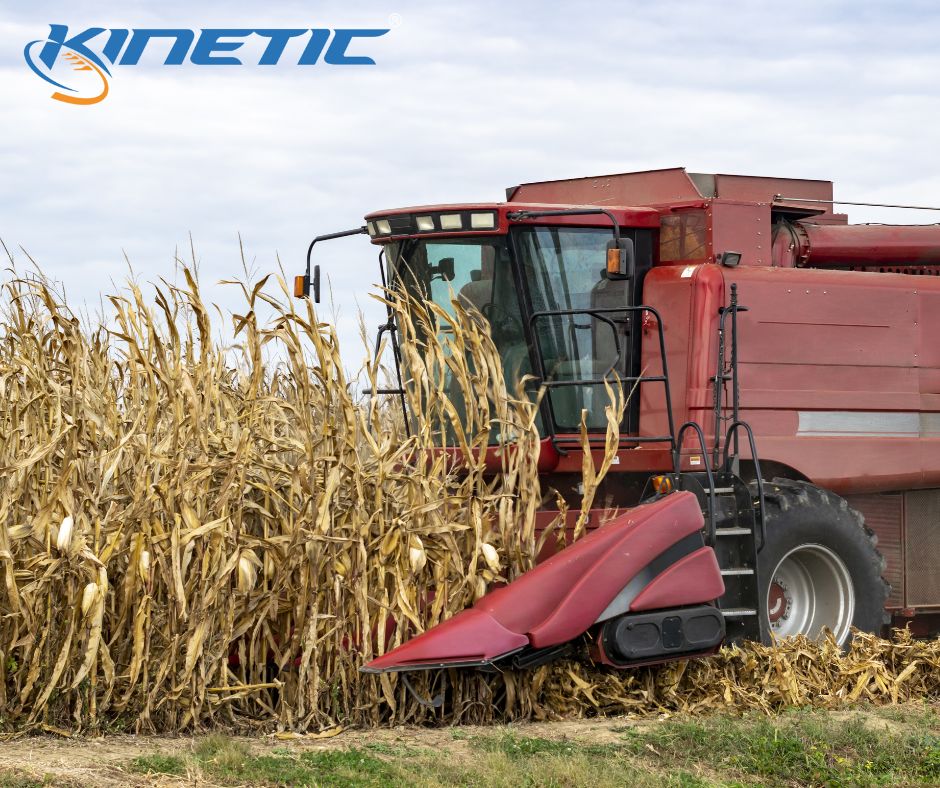
- Ensure that only fully matured rice is harvested. Proper field management and timely harvesting improve the strength and resilience of rice grains.
- Optimize Moisture Content
- Maintain rice moisture content around 12–14% before milling. Proper drying techniques help preserve grain integrity.
- Store Rice Properly
- Use clean, dry storage facilities with stable temperature and humidity. Avoid prolonged storage that may compromise grain quality.
- Maintain and Calibrate Milling Equipment
- Regular maintenance of mills, including roller checks and gap adjustments, ensures even pressure distribution and reduces breakage.
- Consider upgrading to modern milling systems with controlled abrasion and pressure settings.
- Implement Pre-Milling Treatments
- Soaking, steaming, or tempering rice prior to milling can strengthen the grains and reduce breakage.
- Train Staff on Best Practices
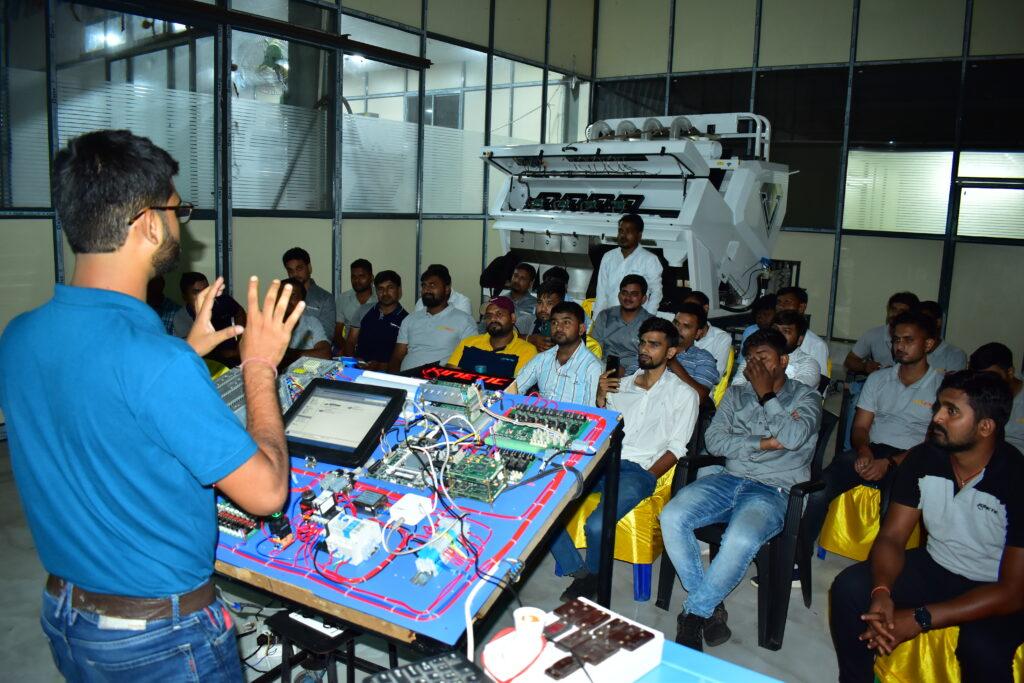
- Educate mill operators on proper handling, milling speeds, and techniques to minimize mechanical stress on the grains.
Why Partner with Experts Matters
At Kinetic, we understand that minimizing rice breakage is not just about machinery; it’s about a complete, integrated approach – from sourcing high-quality paddy to precision milling. Our modern milling solutions and expert guidance help rice millers achieve maximum yield, minimal breakage, and superior rice quality.
Investing in proper techniques, equipment, and training ensures higher efficiency, better market competitiveness, and happier consumers.