
Common Mistakes New Rice Mill Owners Make
Starting a rice mill can be a highly profitable venture—but only if it’s planned and executed correctly. Many new rice mill owners enter the business with high expectations, yet face operational losses due to avoidable mistakes. Understanding these common pitfalls early can save time, money, and long-term frustration.
In this blog, we highlight the most common mistakes new rice mill owners make and explain how to avoid them for a smoother, more profitable operation.
1. Choosing the Wrong Rice Mill Capacity
The Mistake:
Many new owners either overestimate or underestimate their required production capacity. Investing in a very large plant increases capital and running costs, while a small setup limits growth.
How to Avoid It:
- Analyze daily paddy availability and market demand
- Select capacity based on TPH (tons per hour) requirements
- Plan for scalable expansion, not immediate oversizing
A professional assessment before purchase ensures the right balance between cost and output.
2. Poor Plant Layout & Space Planning
The Mistake:
Ignoring layout planning leads to material congestion, higher labor dependency, and increased maintenance issues.
How to Avoid It:
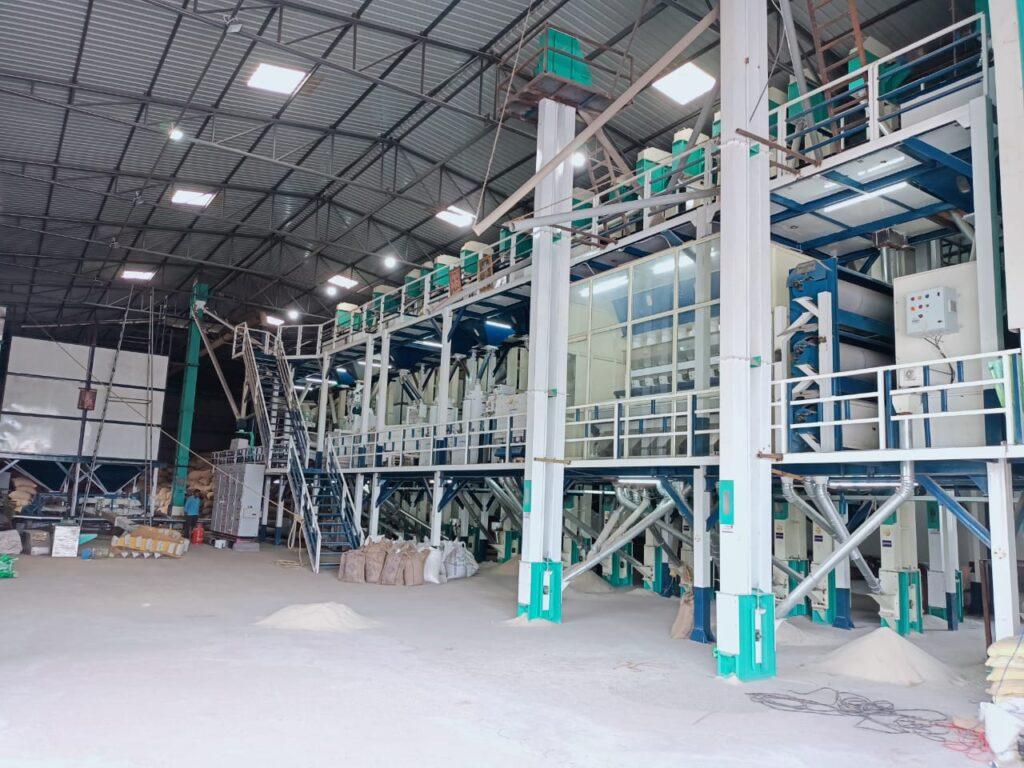
- Design a proper workflow layout from raw paddy intake to final output
- Ensure adequate space for machine operation, movement, and maintenance
- Include safety zones and future expansion areas
A well-planned layout improves efficiency and reduces downtime.
3. Compromising on Machine Quality to Reduce Initial Cost
The Mistake:
Choosing low-cost machinery to save money initially often results in frequent breakdowns, higher maintenance expenses, and poor rice quality with higher breakage.
How to Avoid It:
- Invest in durable, high-efficiency machines
- Focus on long-term ROI instead of short-term savings
- Choose manufacturers with proven industry experience and support
Quality machinery ensures consistent output and better market value for rice.
4. Ignoring Energy Efficiency
The Mistake:
High power consumption drastically increases operational costs and reduces profit margins.
How to Avoid It:
- Select energy-efficient motors and systems
- Use modern machinery designed for lower power consumption
- Monitor energy usage regularly
Energy-efficient plants significantly reduce monthly electricity expenses.
5. Lack of Automation
The Mistake:
Relying heavily on manual operations leads to inconsistent quality, higher labor costs, and increased error rates.
How to Avoid It:
- Introduce semi-automatic or fully automatic systems where possible
- Use automated grading and sorting for improved accuracy
- Balance automation with budget and scale
Automation improves productivity, consistency, and overall profitability.
6. Skipping Color Sorting & Quality Control
The Mistake:
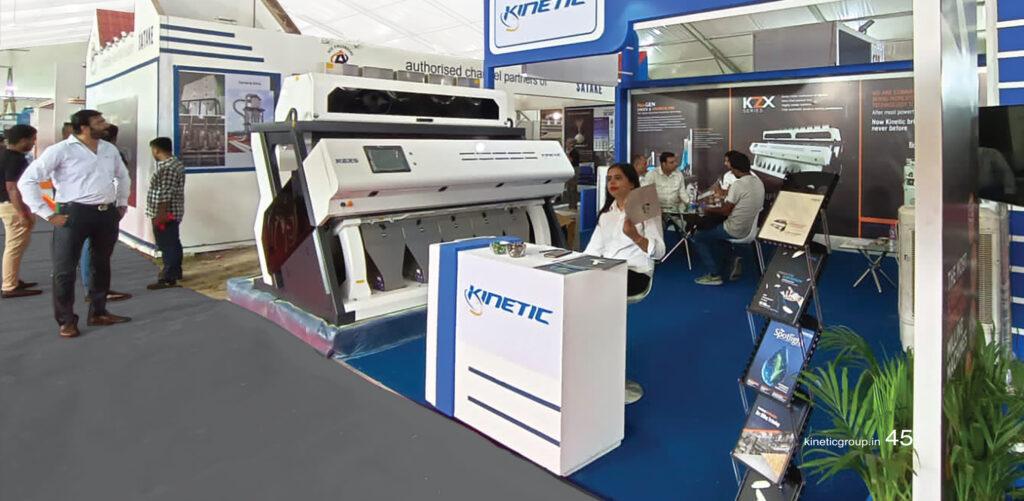
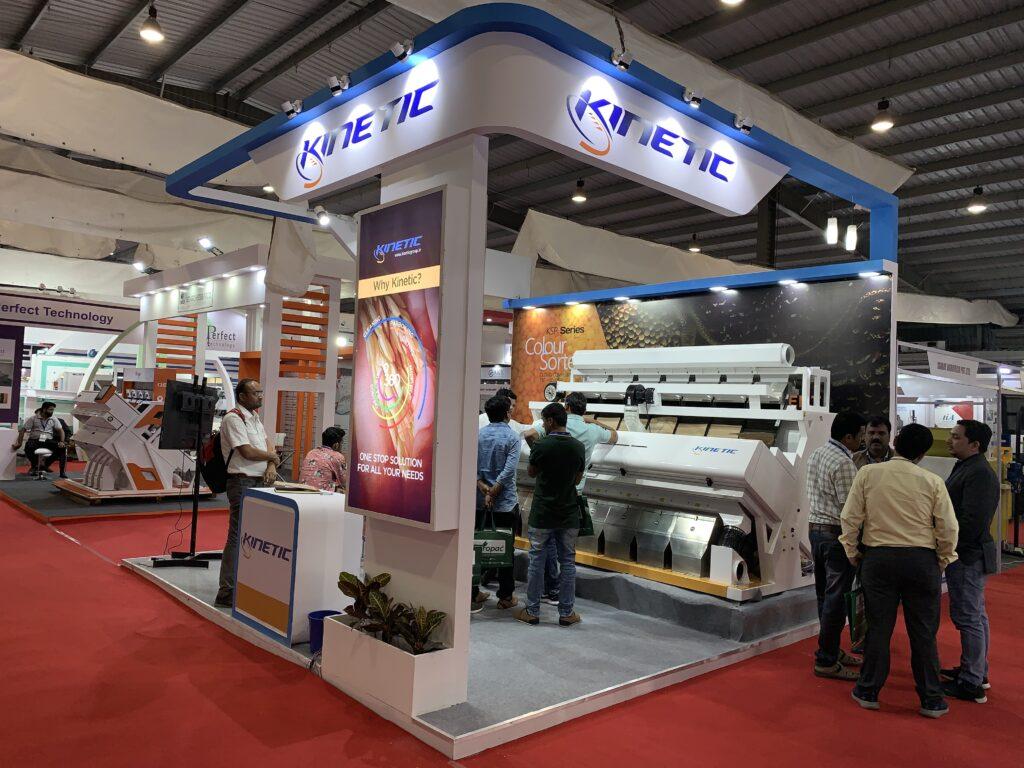
Many new mill owners skip color sorters to cut costs, resulting in lower rice quality, reduced market acceptance, and difficulty entering export markets.
How to Avoid It:
- Include a color sorter for defect removal
- Improve grain uniformity and appearance
- Meet domestic and export quality standards
High-quality rice commands better pricing and customer trust.
7. Underestimating Maintenance & After-Sales Support
The Mistake:
Not planning for maintenance causes unexpected shutdowns and delays.
How to Avoid It:
- Choose suppliers offering strong after-sales service
- Maintain spare parts inventory
- Follow scheduled servicing
Reliable after-sales support ensures uninterrupted operations.
8. Lack of Market & Product Planning
The Mistake:
Starting production without knowing the target market, rice variety demand, or pricing strategy.
How to Avoid It:
- Research market demand before installation
- Decide on raw rice, parboiled rice, or premium varieties
- Align machinery configuration with market needs
Market-driven planning leads to faster returns and business stability.
Conclusion
Starting a rice mill is a major investment, and avoiding common mistakes can make the difference between success and struggle. Proper planning, quality machinery, smart automation, and expert guidance help new rice mill owners build efficient, profitable, and future-ready operations.
At Kinetic Group, we specialize in complete rice mill solutions, helping entrepreneurs avoid costly mistakes through expert consultation, high-quality machinery, and reliable after-sales support.