Common Rice Mill Problems
Running a rice mill requires precision, consistency, and well-maintained machinery. However, even the most advanced mills face technical challenges that affect productivity, yield, and rice quality. Understanding these problems—and knowing how to solve them—can help mill owners improve output, reduce breakdowns, and ensure higher profitability.
Here are the top 10 common rice mill problems and their practical solutions:
1. Low Rice Yield
Problem: Excessive grain breakage and lower head rice output reduce profitability.
How to Fix:
- Use properly calibrated husker and whitener machines.
- Maintain correct pressure settings.
- Ensure paddy is stored at 12–14% moisture.
- Install high-efficiency machines for consistent results.
2. High Broken Rice Ratio
Problem: Broken grains result from improper milling or dry paddy.
How to Fix:
- Use pre-cleaners to remove stones and impurities.
- Maintain ideal paddy moisture.
- Periodically adjust whitening and polishing rollers.
3. Irregular Grain Color
Problem: Discoloration affects the market value of rice.
How to Fix:
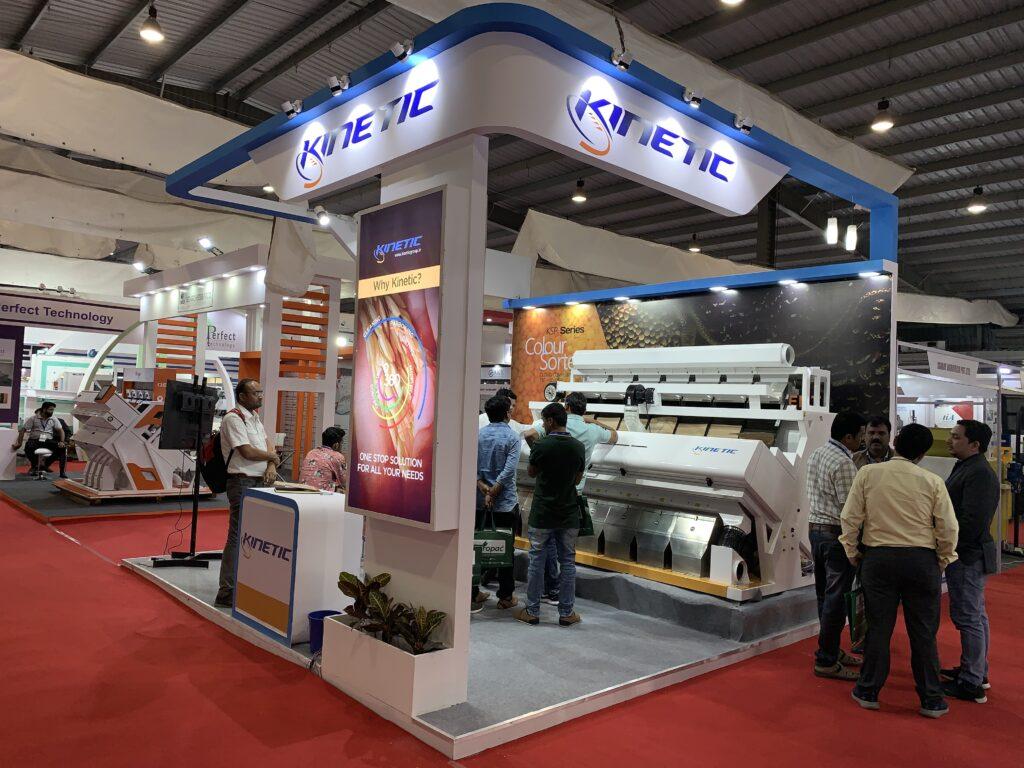
- Install an advanced color sorter with high-resolution sensors.
- Keep the grading chamber clean.
- Remove immature and damaged rice before sorting.
4. Excessive Power Consumption
Problem: High electricity bills reduce profit margins.
How to Fix:
- Upgrade to energy-efficient rice milling machines.
- Conduct regular motor inspections.
- Reduce idle machine time.
- Use VFD (Variable Frequency Drives) where applicable.
5. Frequent Machine Breakdowns
Problem: Poor maintenance leads to downtime and low productivity.
How to Fix:
- Implement a preventive maintenance schedule.
- Lubricate critical parts regularly.
- Replace worn-out parts before failure.
6. Inconsistent Grain Size
Problem: Mixed sizes indicate poor grading.
How to Fix:
- Use high-precision grading and separating machines.
- Clean the sieves regularly.
- Ensure correct screen types are used for different rice categories.
7. High Husk in Final Output
Problem: Improper shelling results in husk contamination.
How to Fix:
- Adjust rubber roll clearance in the husker.
- Replace worn-out rubber rolls.
- Monitor paddy feed rate for consistent flow.
8. Excessive Dust and Waste
Problem: Poor waste management affects hygiene and machine performance.
How to Fix:
- Use a proper aspiration system and dust collectors.
- Clean milling chambers routinely.
- Ensure proper ventilation in the mill.
9. Unstable Polishing Quality
Problem: Too much or too little polishing reduces rice appeal.
How to Fix:
- Maintain polishing temperature within safe limits.
- Use high-quality polishers with uniform speed control.
- Monitor bran removal percentage closely.
10. Low Overall Productivity
Problem: Downtime, old machines, and wrong settings reduce output.
How to Fix:
- Upgrade to modern, fully-automated milling solutions.
- Train staff on correct operating procedures.
- Optimize layout for smoother workflow.
Conclusion
Every rice mill faces operational challenges, but with the right machinery, proper maintenance, and modern technology, these problems can be easily minimized. By choosing high-quality, energy-efficient rice milling solutions, mill owners can dramatically improve productivity, reduce wastage, and maximize profits.
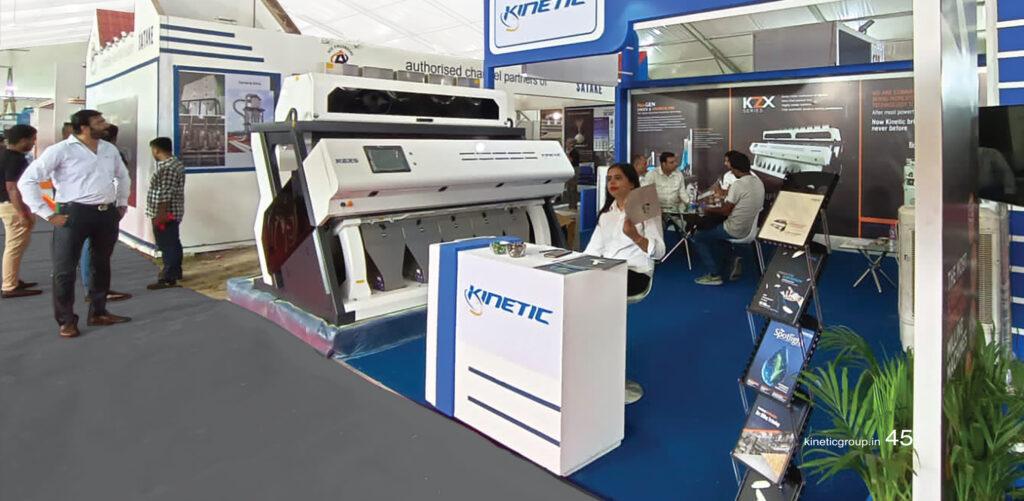
At Kinetic Group, we provide advanced rice milling machines, color sorters, and complete turnkey solutions designed to eliminate these common problems and deliver consistent, high-quality output.