
Advanced Grain Sorting Technology
India’s agri-processing sector is undergoing a major transformation. With rising demand for high-quality grains, stricter export standards, and increasing pressure to reduce post-harvest losses, traditional grain processing methods are no longer sufficient. At the heart of this transformation lies advanced grain sorting technology, which is redefining efficiency, quality, and profitability for mills across the country.
The Growing Need for Modern Grain Processing in India
India is one of the world’s largest producers of rice, wheat, pulses, and cereals. However, a significant percentage of harvested grain is lost due to inefficient sorting, contamination, and outdated processing systems. Manual sorting is time-consuming, inconsistent, and heavily dependent on labor availability.
Modern grain sorting technology addresses these challenges by ensuring:
- Higher product purity and consistency
- Reduced wastage and rejection rates
- Faster processing with minimal human error
- Compliance with domestic and international quality standards
What Is Advanced Grain Sorting Technology?
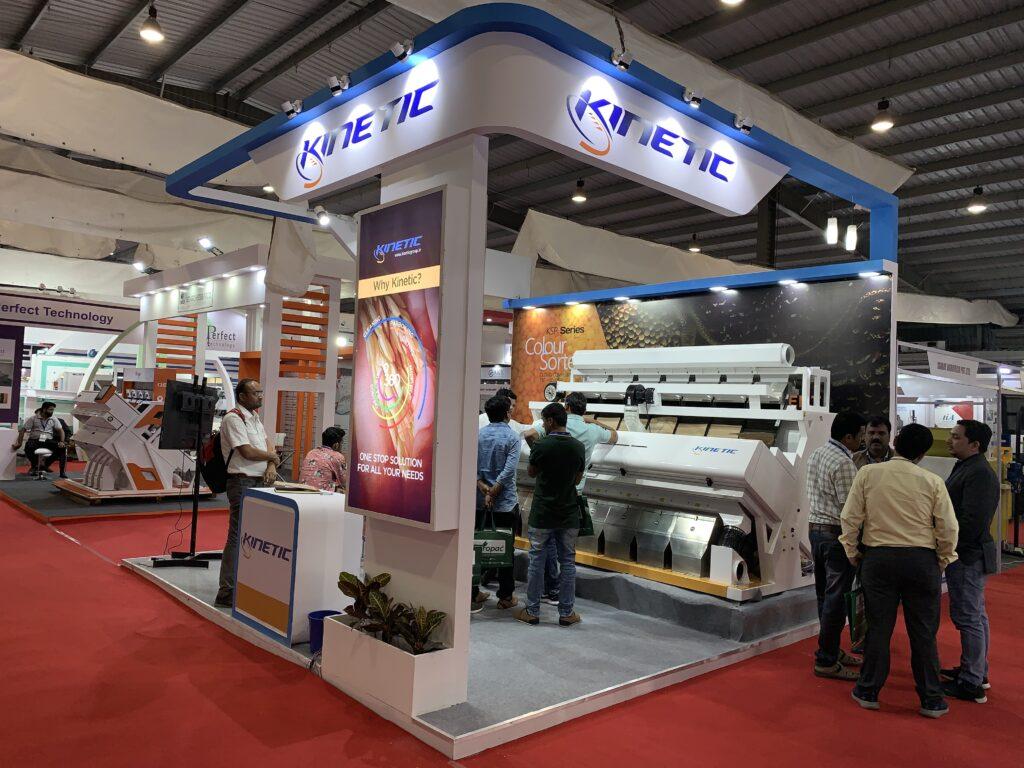
Advanced grain sorting technology uses optical sensors, cameras, and intelligent software to identify and separate defective, discolored, broken, or foreign grains from good produce. Unlike traditional methods, these systems operate with extreme precision and speed.
Key components include:
- High-resolution cameras and sensors
- AI-driven defect detection algorithms
- Automated ejection systems
- Data-driven performance monitoring
This technology ensures only the best-quality grains move forward in the processing chain.
Key Benefits for the Indian Agri-Processing Sector
Improved Grain Quality and Market Value
Advanced sorting removes impurities such as stones, husks, damaged grains, and color defects, resulting in superior-quality output. This directly increases the market value of the final product.
Reduced Post-Harvest Losses
By minimizing rejection and reprocessing, modern sorting technology significantly reduces grain wastage, helping mills improve overall yield.
Higher Operational Efficiency
Automated sorting systems operate continuously with minimal downtime, reducing dependence on manual labor and speeding up processing cycles.
Consistency and Accuracy
Unlike human sorting, machines deliver consistent results throughout the day, ensuring uniform quality in every batch.
Boosting Export Competitiveness
Indian grains are in high demand globally, but export markets require strict quality compliance. Advanced grain sorting technology helps processors meet:
- International food safety norms
- Uniform color and size specifications
- Contamination-free packaging standards
This positions Indian rice and grain exporters more competitively in global markets.
Supporting Sustainability and Smart Manufacturing
Modern grain processing plants are designed with sustainability in mind. Advanced sorting technology contributes by:
- Reducing waste and reprocessing
- Optimizing energy consumption
- Lowering water usage in downstream processes
- Improving overall resource efficiency
These benefits align with India’s push toward sustainable agriculture and smart manufacturing.
Impact on Farmers and Rural Economies
Efficient processing technology does not just benefit mill owners—it also impacts farmers and rural communities. Better sorting leads to:
- Higher procurement value for quality produce
- Reduced rejection at mills
- Stable demand for better-grade grains
This creates a positive cycle of quality improvement from farm to market.
The Future of Grain Sorting Technology in India
The future of agri-processing lies in automation, data integration, and intelligent systems. Emerging trends include:
- AI-based defect learning for higher accuracy
- IoT-enabled monitoring and predictive maintenance
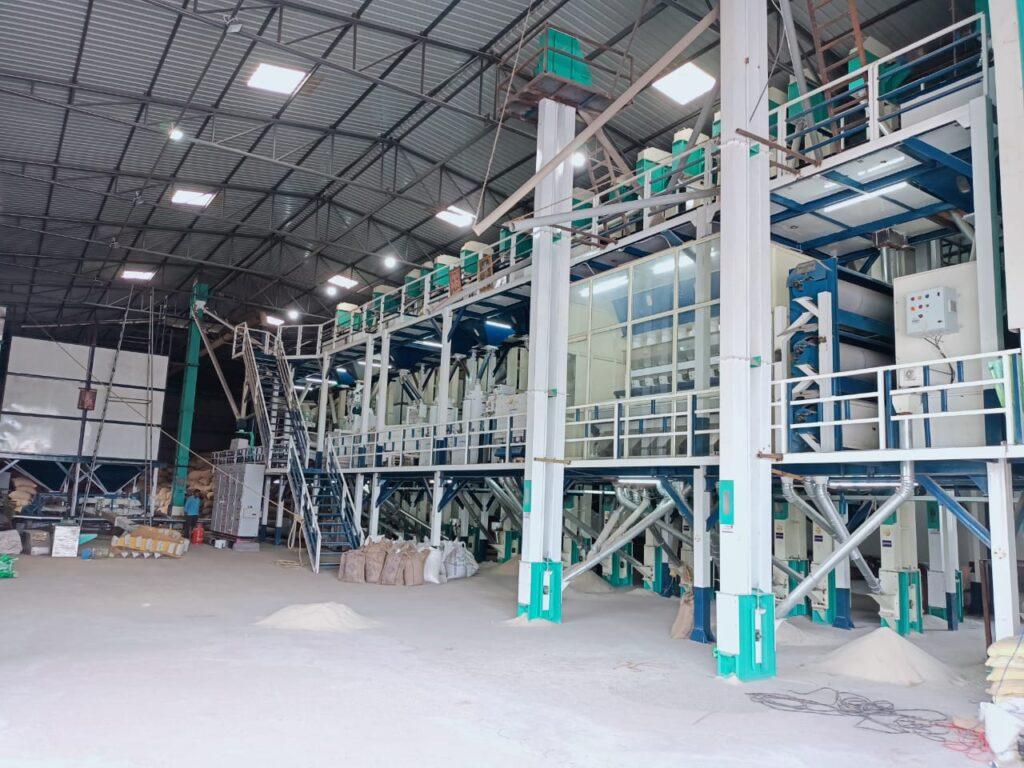
- Fully automated, turnkey milling plants
- Integration with smart inventory and quality tracking systems
Companies investing in advanced grain sorting today are positioning themselves for long-term growth and resilience.
Conclusion
Advanced grain sorting technology is no longer a luxury—it is a necessity for the modern Indian agri-processing sector. By improving quality, efficiency, sustainability, and profitability, it is transforming how grains are processed, marketed, and consumed.
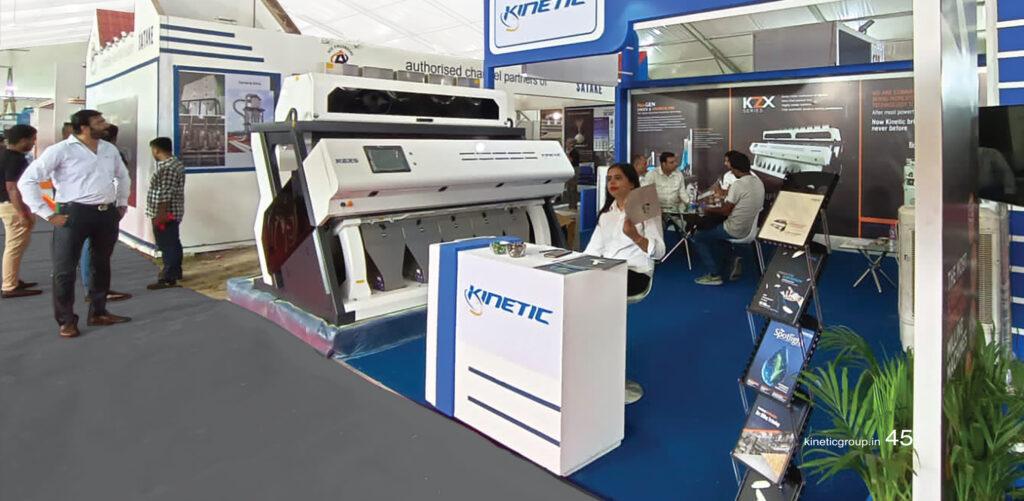
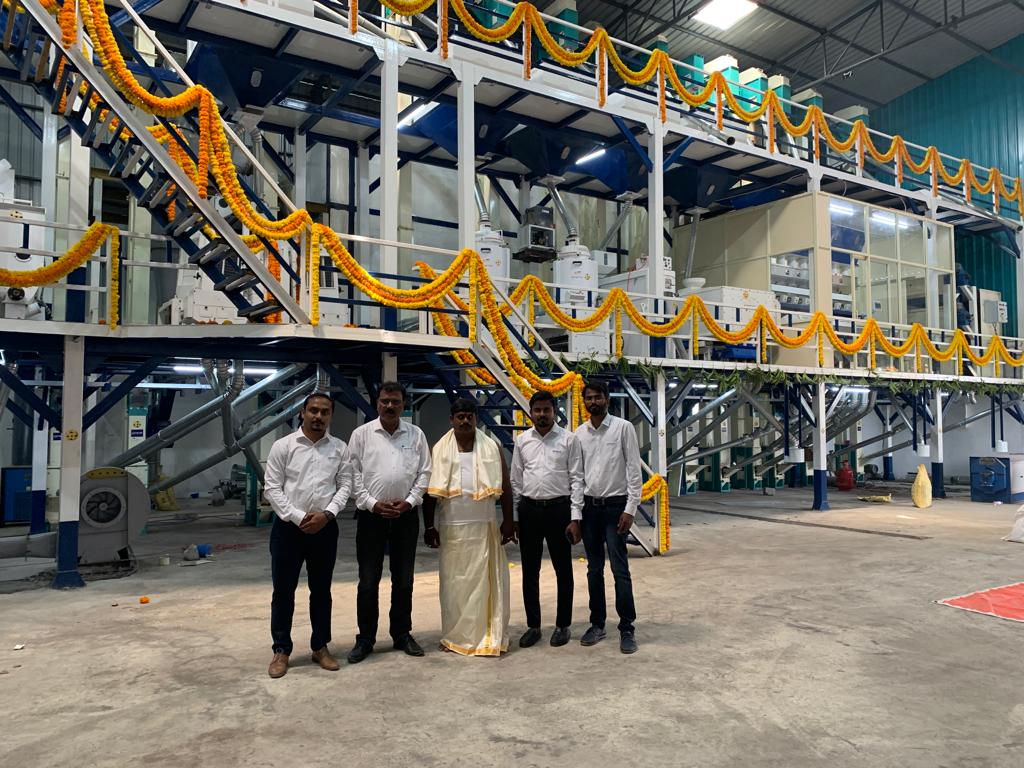
At Kinetic Group, the focus on innovative grain processing solutions and turnkey plant installations reflects a commitment to driving this transformation forward—helping Indian mills meet global standards while maximizing operational excellence.