Maintaining Rice Milling Equipment
Rice milling machinery is a significant investment for any agribusiness, and ensuring its longevity is crucial for maximizing efficiency and profitability. Regular maintenance not only extends the life of your equipment but also guarantees consistent rice quality and minimizes downtime. Here’s a comprehensive guide on top maintenance tips to keep your rice milling machinery in peak condition.
1. Regular Cleaning Is Essential
Dust, husk particles, and rice residues can accumulate in your machinery and cause wear and tear.
- Clean all machines daily after operation.
- Use compressed air or brushes to remove stubborn debris.
- Pay special attention to grinders, sifters, and separators.
Tip: Preventing buildup reduces friction and prolongs the life of moving parts.
2. Lubrication and Oil Checks
Proper lubrication minimizes wear and tear of machine components.
- Regularly check bearings, gears, and motors for lubrication needs.
- Use manufacturer-recommended oils and greases.
- Avoid over-lubrication as it can attract dust and residues.
Tip: A well-lubricated machine runs smoother, consumes less power, and avoids unnecessary breakdowns.
3. Inspect Belts and Chains
Belts and chains are critical for transferring power efficiently between components.
- Check for cracks, wear, and alignment issues regularly.
- Adjust tension as per the manufacturer’s instructions.
- Replace worn-out belts promptly to prevent damage to other components.
Tip: A timely replacement prevents sudden stoppages and keeps production continuous.
4. Monitor Electrical Components
Modern rice milling machinery relies heavily on electrical systems.
- Inspect wiring, switches, and control panels periodically.
- Ensure all connections are secure and free from moisture.
- Replace frayed wires or faulty components immediately.
Tip: Prevents electrical failures and ensures smooth operation of automated systems.
5. Check Milling and Polishing Parts
The quality of milling and polishing parts directly impacts rice output and efficiency.
- Inspect rollers, huskers, and polishers for wear or damage.
- Replace parts that show signs of uneven surfaces or excessive wear.
- Regular calibration ensures optimal performance and consistent rice quality.
Tip: Maintaining these parts improves efficiency and reduces broken rice percentage.
6. Keep Machines Level and Stable
Vibrations and instability can accelerate wear.
- Ensure machinery is installed on a stable, level foundation.
- Check anchor bolts and supports periodically.
- Adjust alignment whenever necessary.
Tip: Stable machinery reduces noise, energy consumption, and mechanical stress.
7. Schedule Preventive Maintenance
A proactive approach prevents costly breakdowns.
- Follow the manufacturer’s maintenance schedule.
- Keep a log of repairs, replacements, and service dates.
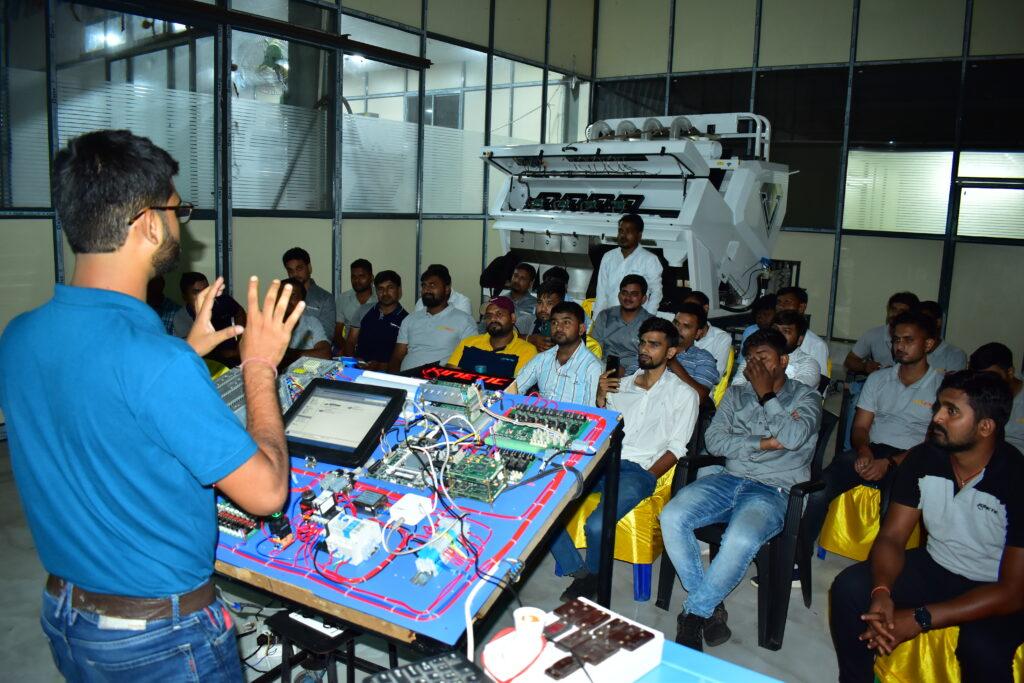
- Train operators on routine inspections and minor troubleshooting.
Tip: Preventive maintenance reduces downtime and prolongs the lifespan of your equipment.
8. Partner with a Reliable Supplier for Support
Having a trusted supplier ensures timely support, genuine spare parts, and expert advice.
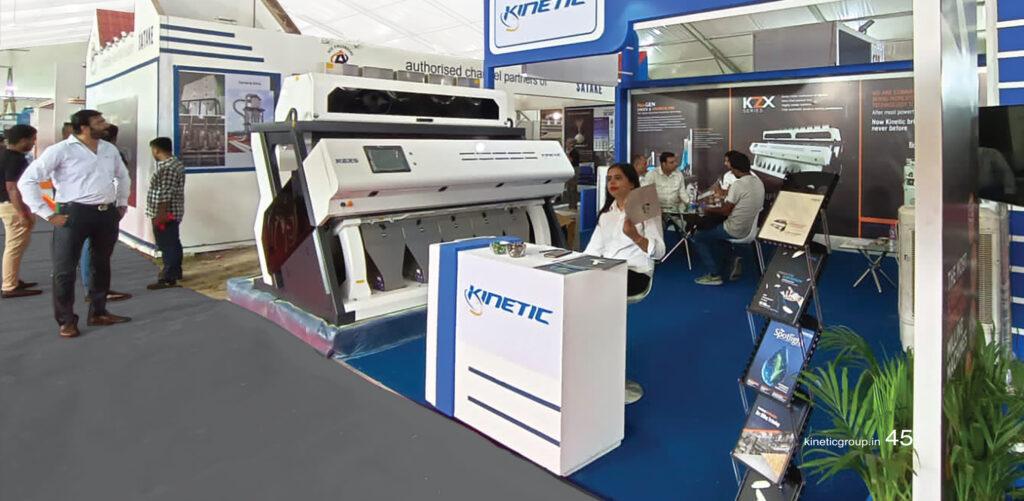
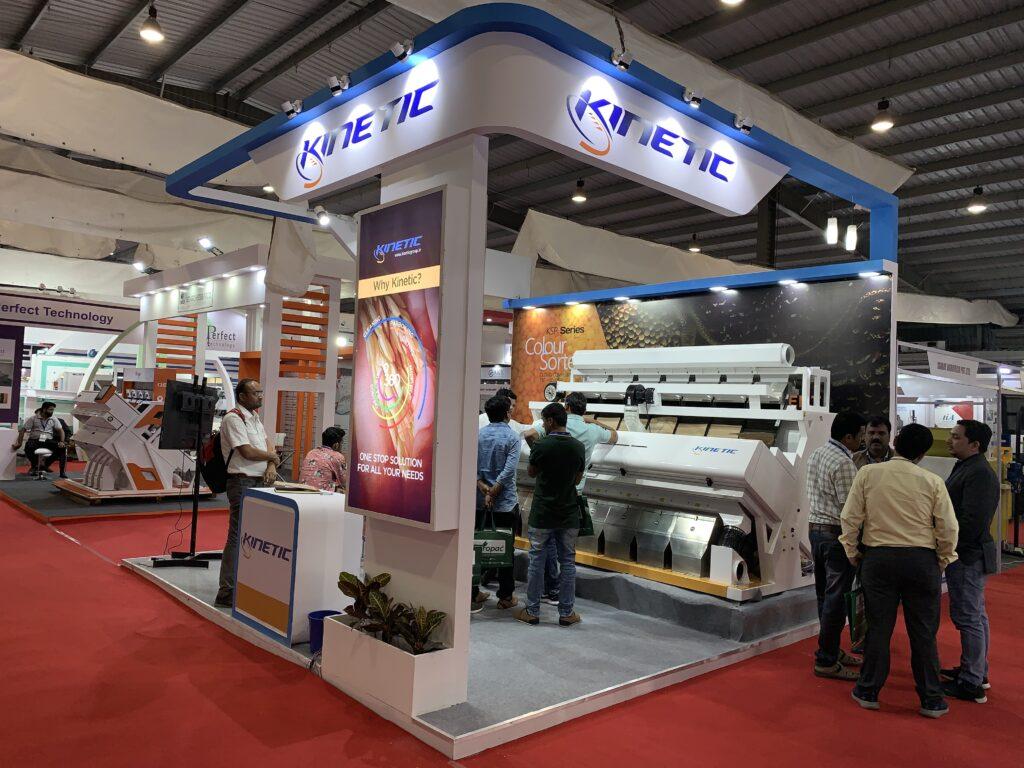
- Kinetic Group provides after-sales support, spare parts, and professional guidance.
- Ensure your machinery is serviced by trained technicians to maintain warranty and performance.
Tip: Expert support can prevent minor issues from turning into major repairs.
Conclusion
Proper maintenance of rice milling machinery is the key to maximizing efficiency, ensuring consistent rice quality, and prolonging the life of your investment. By implementing daily cleaning, regular inspections, preventive maintenance, and leveraging expert support from a reliable partner like Kinetic Group, you can keep your rice milling operations running smoothly for years.