Modern Rice Milling Process
Rice is a staple food for millions worldwide, and its quality and safety largely depend on the milling process. Modern rice milling combines advanced machinery and precise techniques to remove husk, bran layers, and impurities while maintaining the nutritional value of the rice. This article explains the meaning, steps, and flow chart of the modern rice milling process.
What is the Modern Rice Milling Process?
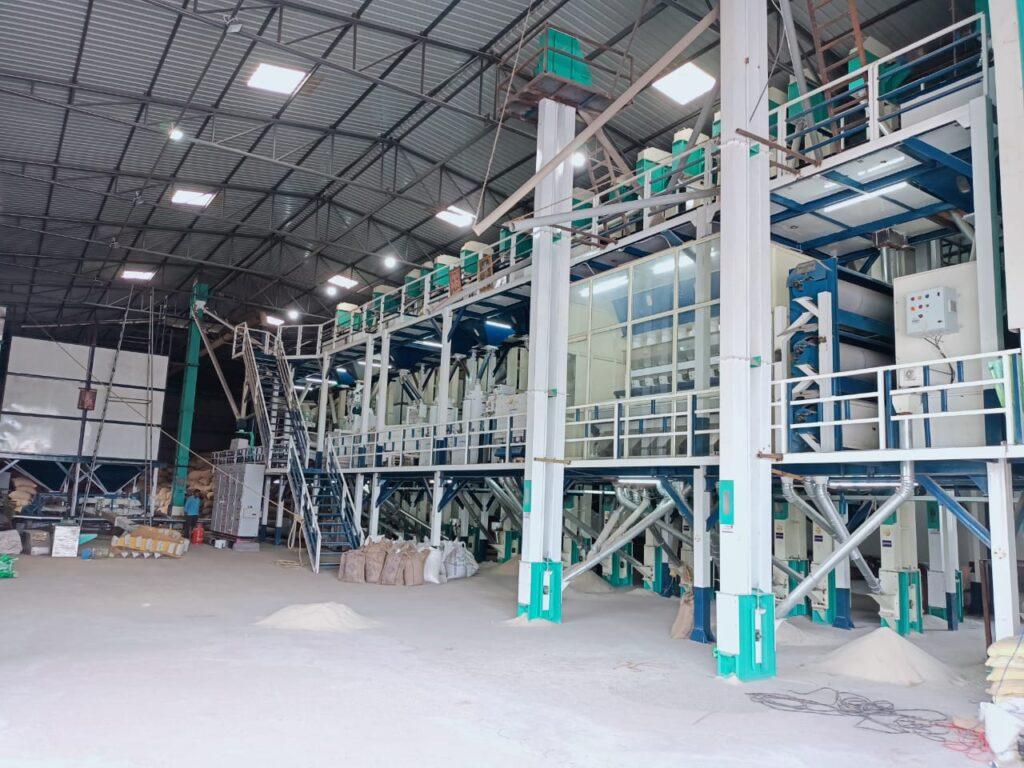
The modern rice milling process refers to the mechanized procedure of transforming paddy (unmilled rice) into polished, edible rice. Unlike traditional methods, modern milling ensures higher efficiency, better grain quality, and minimal wastage. It involves cleaning, dehusking, polishing, and grading using specialized machinery.
Steps of the Modern Rice Milling Process
1. Cleaning
The first step removes impurities like stones, dust, husk, and other foreign particles from paddy. Modern mills use a combination of sieves, air blowers, and magnets to ensure clean raw material.
2. Conditioning / Soaking
Paddy may be conditioned by adjusting its moisture content or soaking slightly. This helps in reducing breakage during dehusking and ensures better milling efficiency.
3. Dehusking / Hulling
Dehusking is the process of removing the outer husk from paddy to produce brown rice. Rubber roll huskers or modern hulling machines are used to minimize grain breakage and improve yield.
4. Paddy Separation
After dehusking, a mixture of brown rice and unhusked paddy is obtained. Paddy separators are used to separate the unhusked grains from the brown rice.
5. Polishing / Whitening
Polishing removes the bran layer from brown rice to produce white rice. Modern mills use friction or abrasive polishers that give the rice a smooth and shiny appearance while maintaining nutritional quality.
6. Grading and Sorting
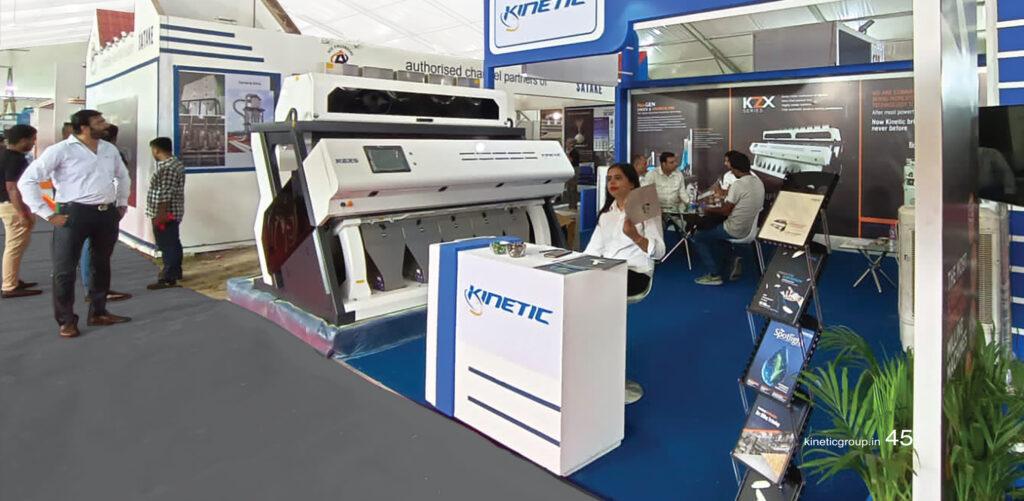
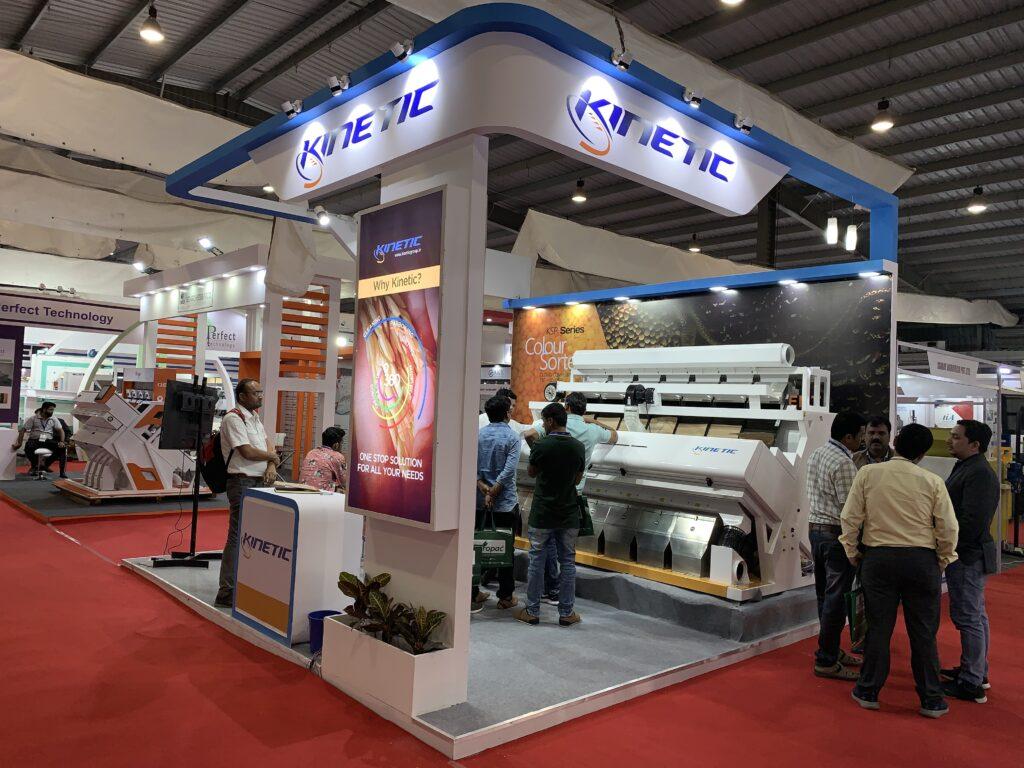
Rice is then graded by size and quality. Broken grains are separated, and foreign particles are removed using color sorters, sieves, and vibrating machines.
7. Packing
Finally, polished rice is packed in bags or containers, ready for storage and distribution. Proper packing ensures minimal contamination and longer shelf life.
Modern Rice Milling Flow Chart
Paddy → Cleaning → Conditioning → Dehusking → Paddy Separation → Polishing → Grading & Sorting → Packing
Advantages of Modern Rice Milling
- Higher milling efficiency and yield
- Reduced grain breakage
- Better rice appearance and quality
- Hygienic and safe process
- Consistent product with minimal wastage
Conclusion
The modern rice milling process has revolutionized rice production, ensuring better quality, higher yield, and safe consumption. With mechanized steps and advanced machinery, this process not only preserves the nutritional value of rice but also meets the growing demands of the global market.