
Multi Grain Processing Plant
India’s grain processing industry is evolving rapidly. While rice milling remains a strong backbone, millers and agro-entrepreneurs are increasingly exploring multi-grain processing to diversify revenue, reduce seasonal dependency, and meet rising demand for cereals and pulses. Expanding beyond rice is no longer just an option—it’s a strategic growth move.
This blog explains what multi-grain processing is, why it matters, and how modern machinery enables seamless grain diversification.
What Is Multi-Grain Processing?
Multi-grain processing refers to the ability of a single milling setup to handle multiple types of grains—such as rice, wheat, maize (corn), millets, and pulses—either through adaptable machinery or modular system configurations.
Unlike traditional single-grain mills, multi-grain plants are designed for:
- Flexibility in operations
- Minimal changeover time
- Consistent quality across different grains
Why Millers Are Moving Beyond Rice
1. Risk Diversification
Rice production is often influenced by climate, water availability, and seasonal cycles. Processing multiple grains helps millers reduce dependency on a single crop.
2. Growing Demand for Diverse Grains
Consumer demand for millets, maize, pulses, and whole grains is rising due to health awareness, government initiatives, and export opportunities.
3. Better Utilization of Machinery
Multi-grain capability ensures machinery runs throughout the year, improving capacity utilization and ROI.
4. Entry into New Markets
Multi-grain plants allow millers to serve food processors, exporters, and FMCG brands that require diversified grain sourcing.
Key Grains Commonly Processed Alongside Rice
- Wheat: Cleaning, grading, and flour preparation
- Maize (Corn): De-germing, grading, and separation
- Millets: Gentle cleaning and size-based sorting
- Pulses: De-husking, polishing, and grading
Each grain has unique physical properties, requiring precise calibration and gentle handling.
Machinery Requirements for Multi-Grain Processing
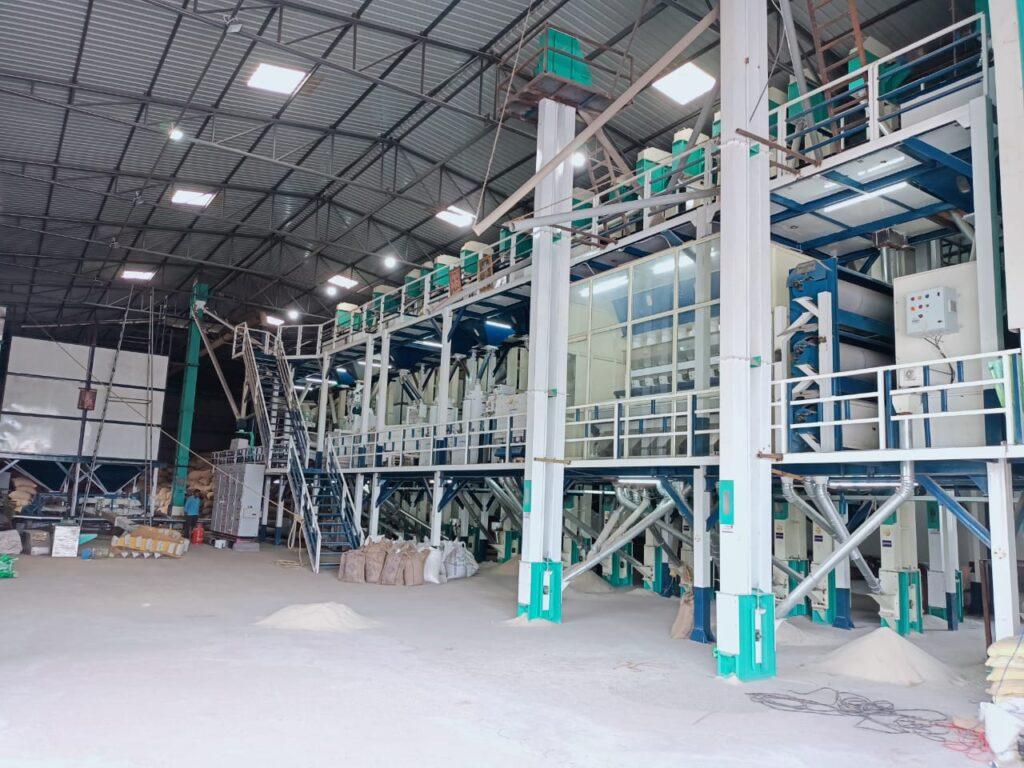
Modern grain processing plants rely on customizable and modular machinery to support multiple grains:
1. Pre-Cleaning & Grading Systems
Advanced cleaners and graders adjust airflow, sieve size, and vibration intensity for different grains.
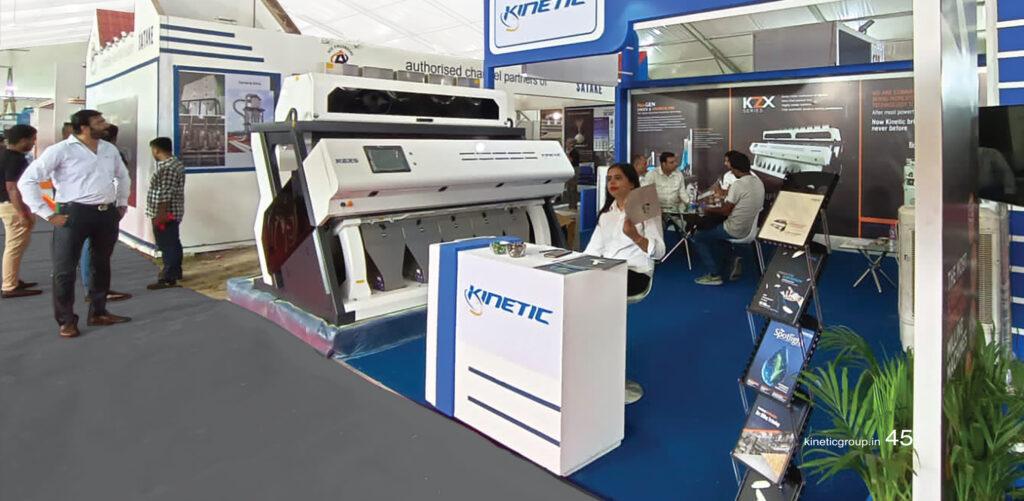
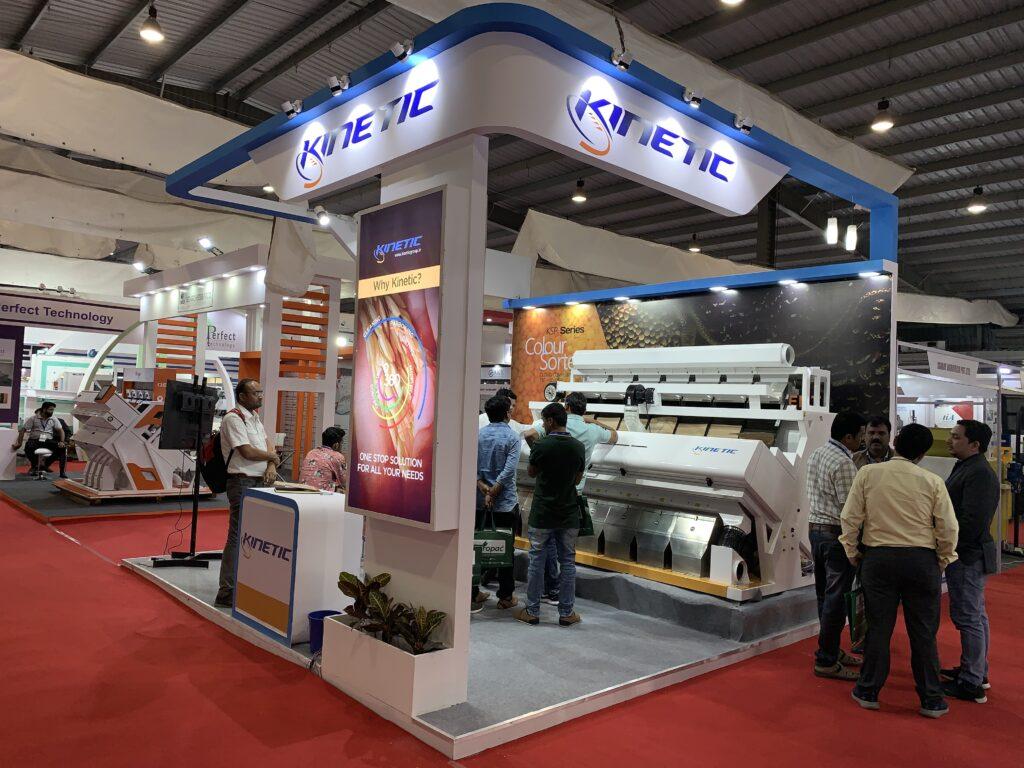
2. Optical Color Sorters
Optical sorting machines play a critical role by:
- Detecting impurities and defects
- Adapting to different grain sizes and colors
- Maintaining consistent output quality
3. Adjustable Conveying Systems
Bucket elevators, conveyors, and chutes must be designed to handle both fragile and dense grains without breakage.
4. Modular Plant Design
Multi-grain plants benefit from modular layouts that allow:
- Easy grain changeovers
- Expansion without major civil modifications
- Lower downtime during transitions
Challenges in Multi-Grain Processing—and How to Overcome Them
| Challenge | Solution |
|---|---|
| Different grain sizes & densities | Adjustable sieves and airflow controls |
| Risk of grain breakage | Gentle handling systems |
| Cleaning residue between grains | Proper sanitation & changeover protocols |
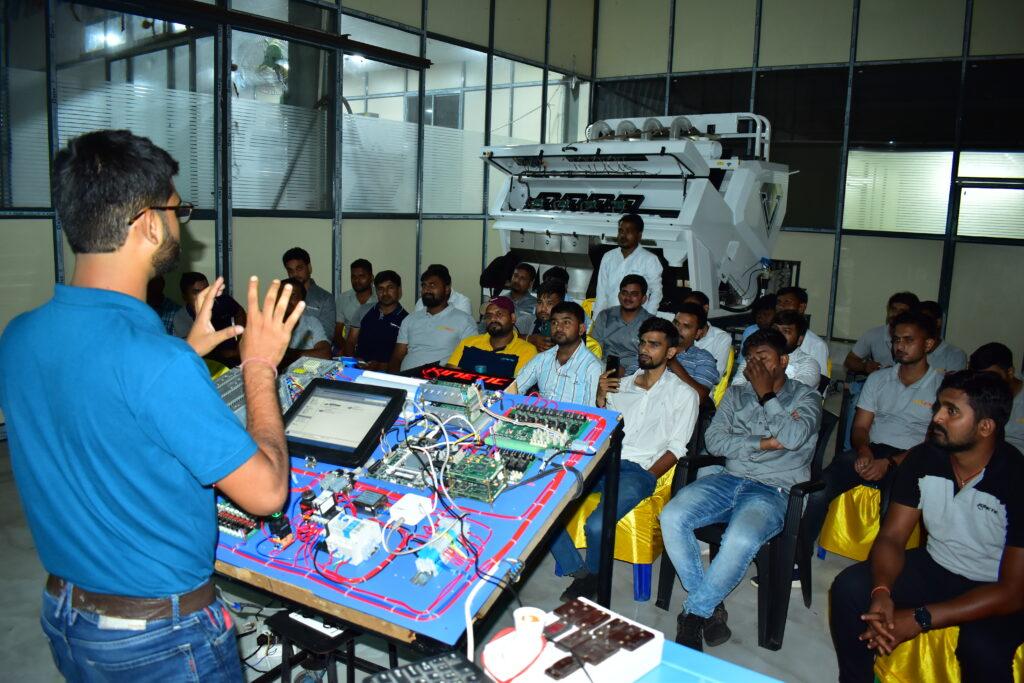
| Skill requirement | Operator training & automation |
With the right technology and planning, these challenges are easily manageable.
How Technology Enables Seamless Grain Switching
Modern grain mills increasingly use:
- Automation & PLC controls for quick recalibration
- Digital dashboards to monitor performance metrics
- Energy-efficient motors for sustainable operations
These innovations reduce manual intervention and ensure smooth transitions between grains.
Business Benefits of a Multi-Grain Processing Plant
- Higher profitability through product diversification
- Reduced operational risk
- Stronger market positioning
- Faster response to market demand changes
- Long-term scalability
For millers aiming to future-proof their operations, multi-grain capability is a strategic investment.
The Future of Multi-Grain Processing in India
With government focus on millets, food security, and agri-exports, India’s grain processing sector is moving toward flexible, technology-driven plants. Multi-grain processing will play a crucial role in meeting domestic consumption and global demand.
Conclusion
Expanding beyond rice opens up new growth avenues for millers who are ready to adapt to evolving market needs. With the right machinery, intelligent plant design, and expert support, multi-grain processing transforms a traditional mill into a versatile, future-ready operation.
Investing in flexibility today ensures sustainability, profitability, and competitiveness tomorrow.