Reduce food waste in grains
Food waste is a growing challenge worldwide, and India is no exception. Despite being one of the largest producers of grains like rice, wheat, and pulses, a significant portion of produce is lost due to inefficiencies in harvesting, storage, and processing. This not only affects profitability for millers but also contributes to environmental and economic concerns.
Kinetic Group, with its cutting-edge grain processing solutions, is helping revolutionize the way grains are sorted and processed, minimizing waste and maximizing quality.
Understanding Food Waste in Grain Processing
Grain losses often occur due to:
- Manual Sorting Errors – Human inspection is time-consuming and prone to mistakes.
- Contamination – Presence of stones, husks, or discolored grains reduces overall quality.
- Inconsistent Grain Quality – Mixed sizes and shapes make packaging and export standards difficult to meet.
These issues result in large amounts of edible grains being discarded, affecting both supply and profits.
How Advanced Grain Sorting Technologies Help
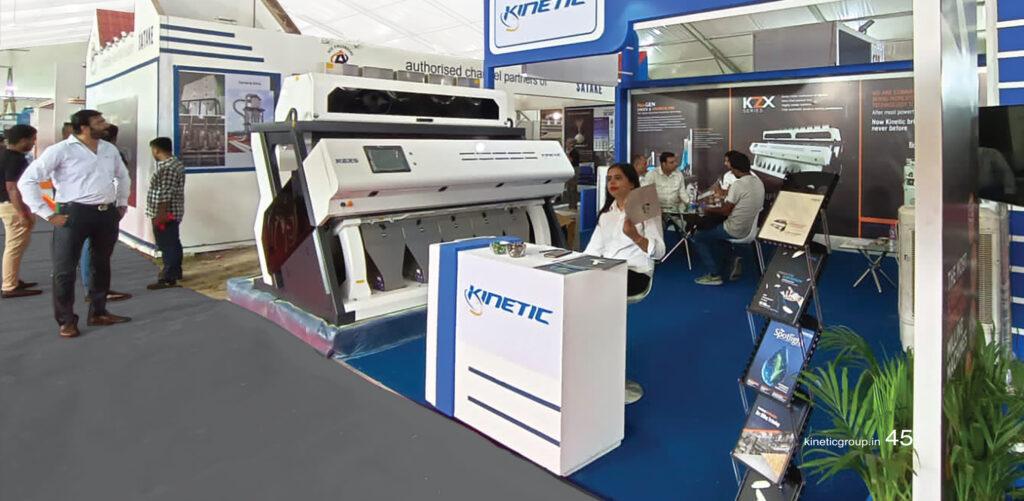
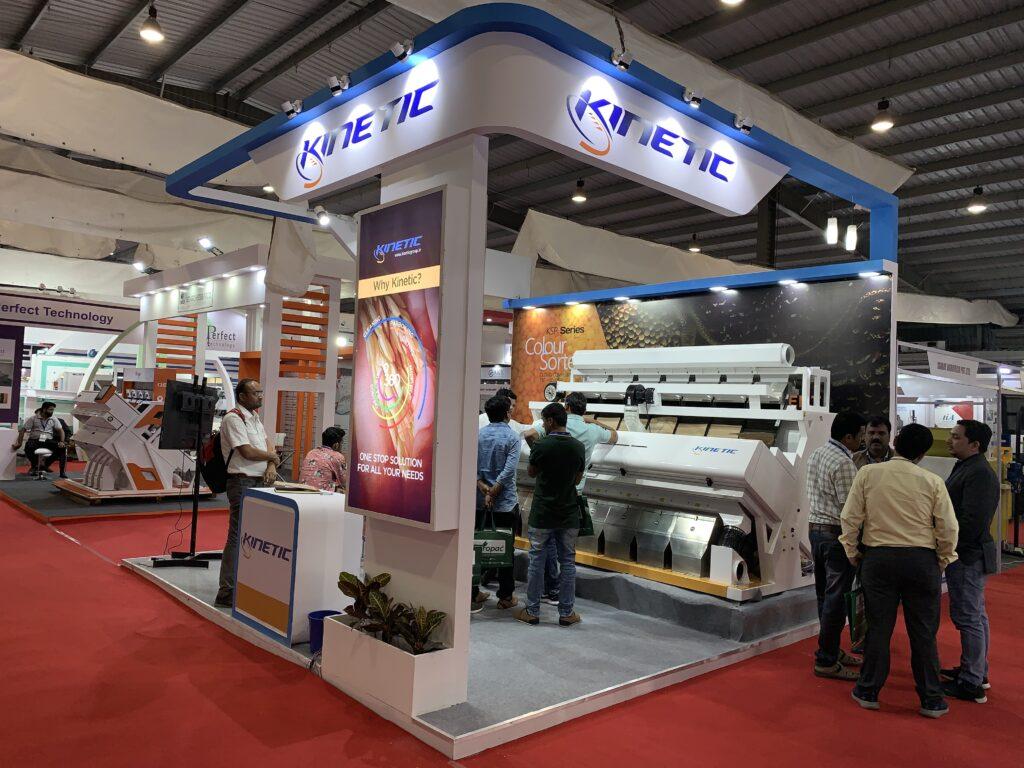
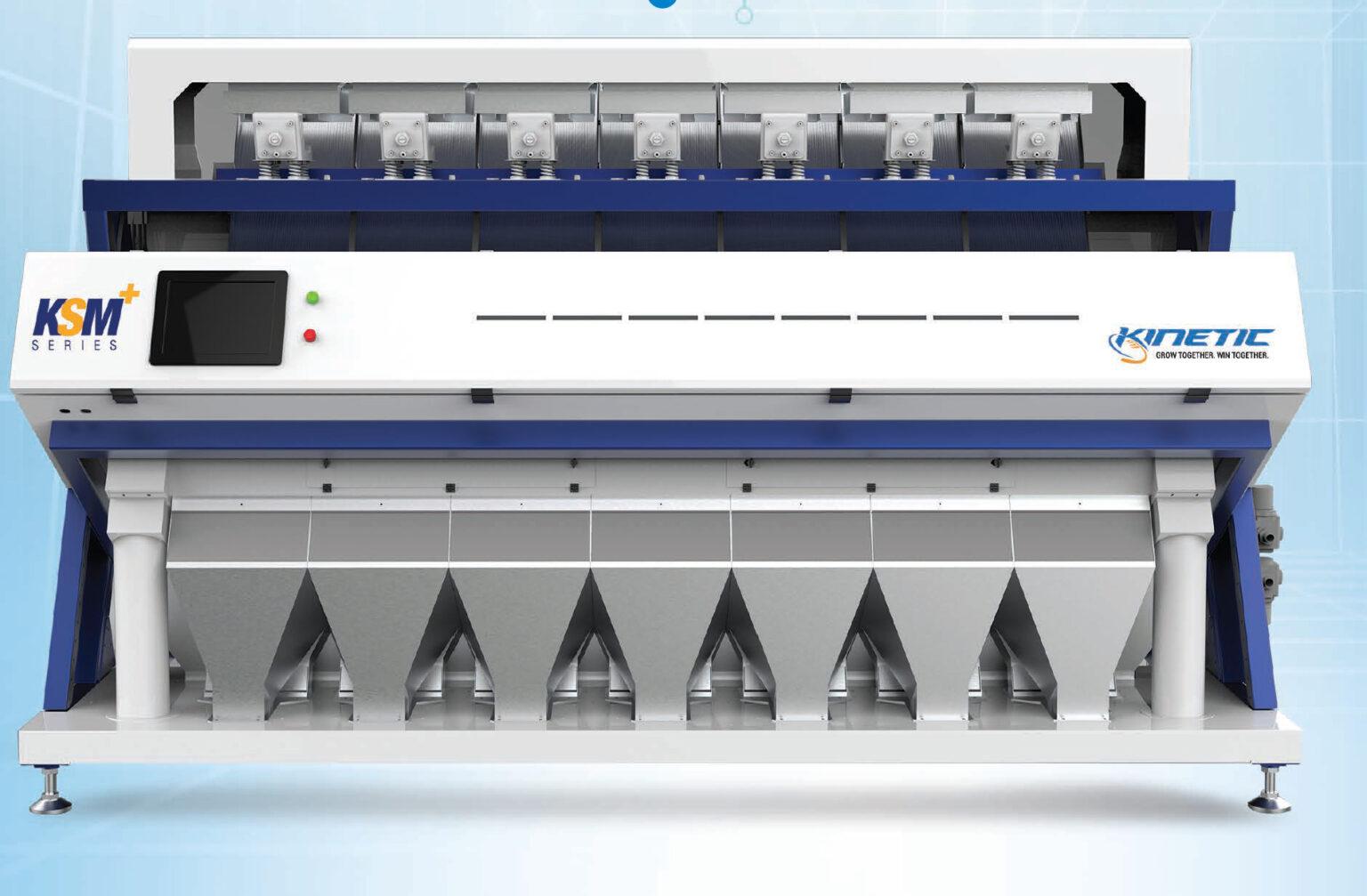
Modern grain sorting machines, such as Kinetic’s color sorters, use precision optics and AI-driven algorithms to separate grains based on color, size, and texture.
Key Benefits:
- Minimizes Wastage – Only defective grains are removed, preserving the majority for consumption.
- Improves Quality – Ensures uniformity in appearance, texture, and taste.
- Boosts Efficiency – Automated sorting significantly reduces processing time compared to manual methods.
- Supports Sustainability – By reducing discarded grains, less food ends up in landfills, lowering environmental impact.
Applications Beyond Rice
While rice sorting is the most common application, advanced grain sorting technologies can also enhance:
- Pulses (lentils, chickpeas, pigeon peas)
- Cereals (wheat, maize)
- Nuts and seeds
This versatility allows millers to adopt a single solution for multiple product lines, ensuring consistent quality and reduced losses across the board.
Real-World Impact
Millers using Kinetic’s advanced sorting machines have reported:
- Up to 15–20% reduction in wastage
- Higher acceptance rates for exports due to superior grain quality
- Faster processing times, allowing higher throughput without compromising standards
These improvements not only benefit businesses but also contribute to national food security by ensuring more produce reaches consumers.
Future Outlook
As global demand for high-quality grains rises, integrating advanced sorting technologies will become a necessity rather than an option. Kinetic Group continues to innovate, offering solutions that combine precision, speed, and sustainability, helping India reduce food waste and strengthen its position in global grain markets.
Conclusion
Advanced grain sorting technologies are transforming the agriculture and food processing industry. By reducing food waste, improving quality, and boosting efficiency, Kinetic Group’s solutions empower millers to achieve more sustainable, profitable, and high-quality grain production.