Rice Mill Automation
The rice milling industry in India plays a crucial role in the agricultural economy, supporting millions of farmers, traders, and small business owners. While large-scale mills have access to advanced machinery, modern infrastructure, and automation technologies, small rice millers often face significant operational challenges that can limit productivity, profitability, and growth potential. From labor dependency and inconsistent grain quality to post-processing losses, small millers need efficient, reliable solutions to stay competitive.
Fortunately, automation and modern rice milling solutions are transforming the industry, enabling small-scale operators to overcome these challenges and thrive in a rapidly evolving market.
1. Maintaining Consistent Grain Quality
The Challenge: One of the primary concerns for small rice millers is maintaining uniform grain quality. Manual processing methods often lead to broken grains, uneven polishing, foreign matter contamination, and inconsistent color, all of which reduce the market value of the final product and impact customer trust.
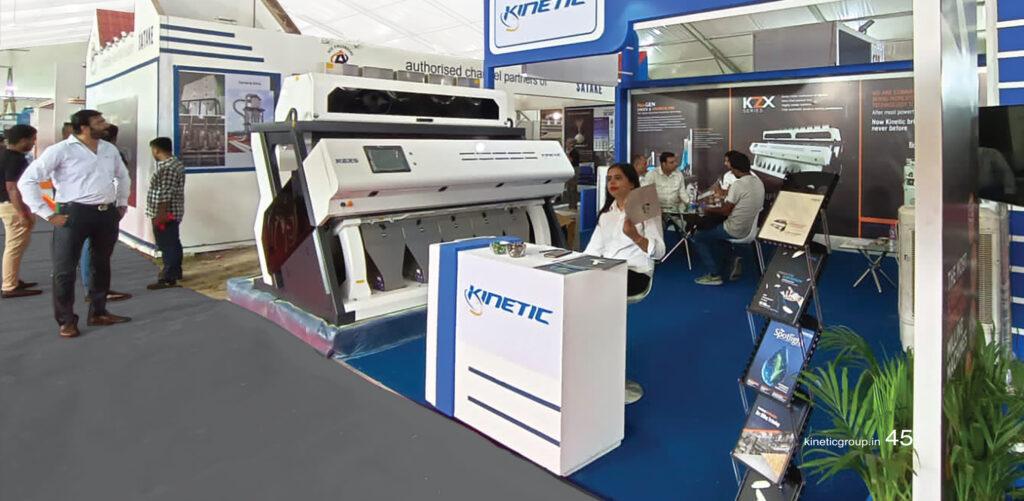
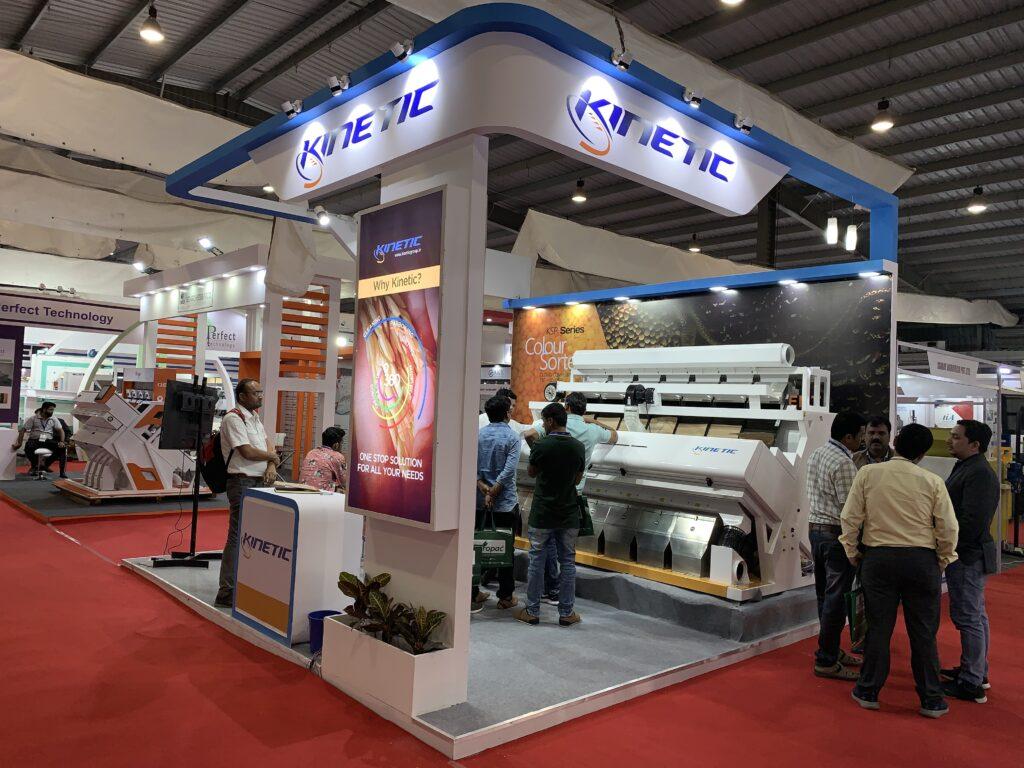
Automation Solution: Advanced color sorting machines, grading systems, and automated polishing units allow small millers to achieve consistent, high-quality output. These machines detect defective grains, remove impurities, and ensure uniform appearance, boosting marketability and customer satisfaction.
2. Heavy Dependence on Manual Labor
The Challenge: Small rice mills often rely on a workforce for every stage of processing, from de-husking and polishing to sorting and packaging. This can lead to human errors, operational inefficiencies, labor shortages, and high labor costs.
Automation Solution: Modern automated milling machines and integrated plants reduce dependence on manual labor. By automating critical processes like de-husking, polishing, grading, and bagging, mills can operate more efficiently, save costs, and ensure consistent production even with limited staff.
3. Limited Production Capacity
The Challenge: Small mills frequently face low throughput due to outdated machines and manual workflows. This limits the ability to meet increasing market demand or scale operations effectively.
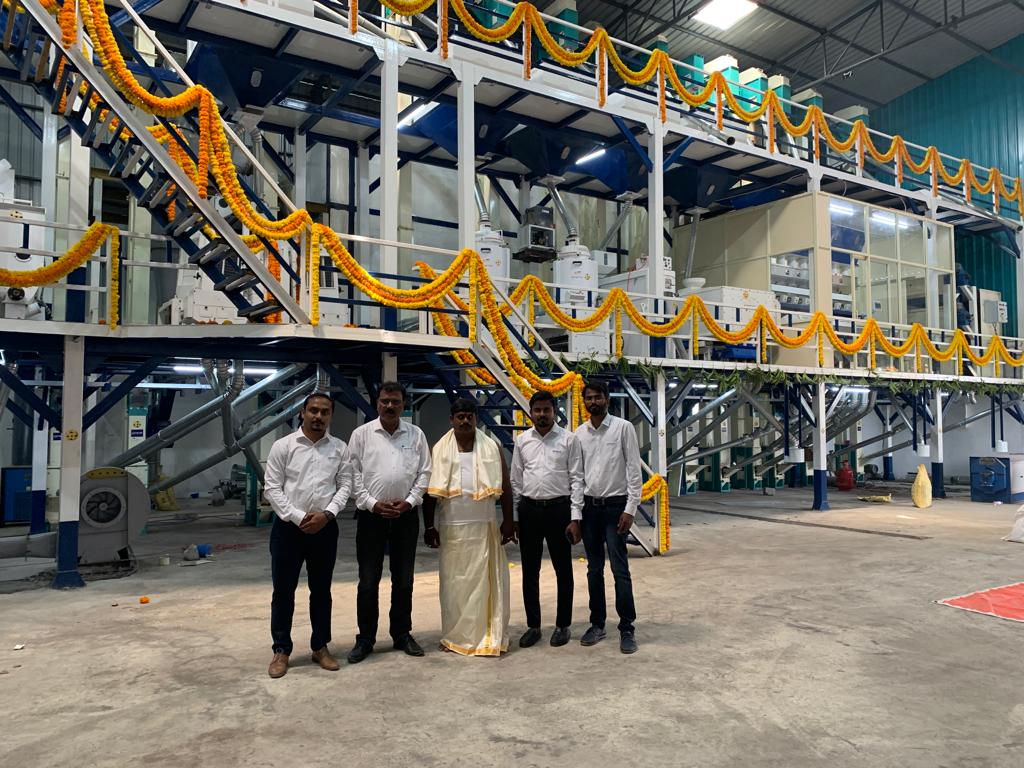
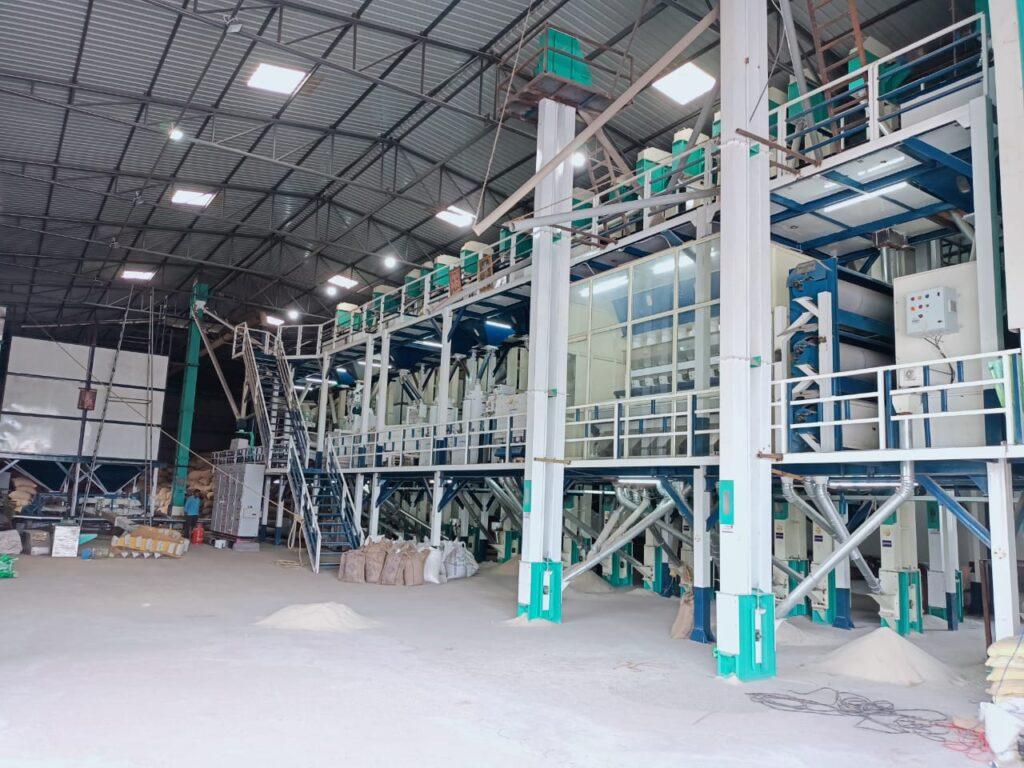
Automation Solution: Turnkey rice milling plants and high-capacity machinery allow small millers to increase production without sacrificing quality. Automation streamlines the workflow, enabling mills to process larger quantities of paddy efficiently, increase revenue, and scale their business.
4. Energy Inefficiency and High Operational Costs
The Challenge: Older milling equipment consumes excessive power, increasing operational costs and reducing profit margins for small millers.
Automation Solution: Energy-efficient milling solutions incorporate optimized motors, advanced processing systems, and intelligent controls to reduce energy consumption. These systems not only lower costs but also promote sustainable operations, benefiting both the miller and the environment.
5. Minimizing Post-Milling Losses
The Challenge: Small-scale mills often experience higher post-milling losses due to manual handling, inefficient storage, and suboptimal processing techniques. This reduces yield and profitability.
Automation Solution: Integrated milling plants and automated handling systems ensure precise grain movement, reduce breakage, and minimize waste. This maximizes output, improves yield, and enhances overall operational efficiency.
6. Meeting Market Standards
The Challenge: Modern buyers, retailers, and export markets demand strict quality standards, including uniform grain size, polished finish, hygienic packaging, and traceability. Many small millers struggle to meet these requirements using traditional methods.
Automation Solution: Automated grading, polishing, and packaging systems enable small mills to produce rice that meets market standards. This opens up new business opportunities, improves competitiveness, and allows small millers to cater to high-end and institutional clients.
7. Maintaining Hygiene and Safety Standards
The Challenge: Manual milling processes often face contamination risks, dust issues, and poor hygiene practices, which can affect product safety and quality.
Automation Solution: Automated machines reduce direct human contact with the grains, maintain cleaner processing environments, and adhere to modern safety and hygiene standards. This ensures safe, high-quality rice production for end consumers.
8. Lack of Real-Time Monitoring and Data
The Challenge: Small rice millers often operate without real-time monitoring, making it difficult to track production efficiency, machine health, or operational bottlenecks.
Automation Solution: Smart milling solutions now provide digital monitoring, reporting, and predictive maintenance alerts. This allows small millers to optimize performance, reduce downtime, and make informed operational decisions.
Conclusion
While small rice millers in India face numerous challenges—from inconsistent grain quality and labor dependency to energy inefficiency and market compliance—automation offers practical, cost-effective solutions. Modern milling technology helps enhance productivity, reduce waste, improve quality, and ensure sustainability, enabling small-scale operators to compete effectively with larger mills.
At Kinetic Group, we provide state-of-the-art rice milling solutions, turnkey plants, and advanced color sorters designed to meet the specific needs of small and medium rice millers. By embracing automation, small rice millers can maximize efficiency, increase profitability, and secure long-term growth in an increasingly competitive market.