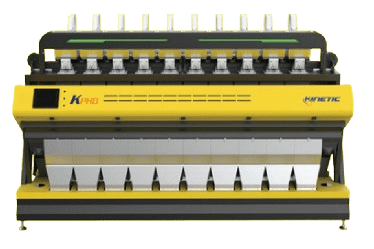
Rice Mill Machine Maintenance
Rice milling is a crucial step in converting paddy into polished rice that is ready for consumption. A rice mill machine simplifies this process, improving efficiency and reducing manual labor. However, to ensure optimum performance, longevity of the equipment, and high-quality output, operators need to pay attention to several important factors. This guide will walk you through all the things to notice while using a rice mill machine.
1. Proper Installation is Crucial
The foundation of a smooth milling operation starts with proper installation. Ensure the rice mill machine is placed on a level, stable surface to minimize vibrations. Uneven placement can lead to excessive wear on moving parts, misalignment, and reduced efficiency. Always check that all bolts, nuts, and fasteners are properly tightened before starting the machine.
2. Electrical Safety and Connections
Rice mill machines require a stable power supply for uninterrupted operation. Before turning on the machine, inspect all electrical connections, wiring, and switches for damage or loose fittings. Using faulty wiring can lead to short circuits, machine breakdowns, or even accidents. It is also recommended to use surge protectors or stabilizers to maintain consistent voltage.
3. Lubrication of Moving Parts
Lubrication plays a vital role in keeping the machine running smoothly. Components such as rollers, huskers, bearings, and separators require regular oiling or greasing to reduce friction and prevent overheating. Always use the type of lubricant recommended by the manufacturer, and establish a routine schedule for checking lubrication levels. Insufficient lubrication can drastically shorten the lifespan of your rice mill.
4. Feed Quality Matters
The quality of paddy fed into the machine affects both the efficiency of milling and the quality of the final rice. Avoid using wet, dirty, or oversized paddy as it can clog the machine or damage critical components. Clean and dry paddy ensures smooth operation, reduces breakage, and produces uniform polished rice. Pre-cleaning the paddy using sieves or pre-cleaners is a good practice.
5. Monitor the Milling Process
During operation, pay close attention to the milling process. Uneven rice polishing, frequent grain breakage, or unusual noise can indicate worn-out or misaligned parts. Regular monitoring helps detect problems early and prevents major breakdowns. Adjust the milling settings based on the type of paddy and desired quality of rice.
6. Regular Cleaning is Essential
A clean rice mill machine works more efficiently and lasts longer. Husk, dust, and broken rice tend to accumulate in the husker, separator, polisher, and other compartments. Accumulated debris can lead to blockages, reduced efficiency, and even damage to the motor. Establish a routine cleaning schedule—daily for operational parts and weekly for thorough maintenance.
7. Temperature and Overloading
Rice mill machines generate heat during operation, particularly in the motor, husker, and polisher sections. Overheating can damage components and affect rice quality. Avoid continuous overloading and ensure proper ventilation around the machine. Monitor machine temperature and pause operation if the equipment becomes excessively hot.
8. Alignment and Calibration
Proper alignment of rollers, huskers, and separators is critical for uniform milling. Misaligned parts can cause excessive grain breakage and uneven polishing. Regularly inspect and calibrate the machine according to the manufacturer’s guidelines. Keep replacement parts handy to avoid delays in case of wear and tear.
9. Noise and Vibration Monitoring
While some noise and vibration are normal, excessive sounds can indicate mechanical issues. Monitor the machine for unusual vibrations or grinding sounds, which may signal loose bolts, worn bearings, or imbalanced rollers. Addressing these issues immediately prevents further damage and ensures a smoother operation.
10. Follow Manufacturer Guidelines
Every rice mill machine comes with a set of operational and maintenance instructions. Strictly adhering to these guidelines ensures optimal performance and extends the lifespan of your equipment. This includes following recommended load capacity, operating speeds, and maintenance schedules. Do not attempt modifications or exceed the prescribed limits.
11. Keep a Maintenance Log
Maintaining a logbook to record operational checks, maintenance activities, and replacement of parts is a smart practice. It helps track machine performance over time, identify recurring issues, and schedule preventive maintenance. A well-maintained log reduces downtime and ensures uninterrupted rice milling.
12. Safety Precautions
Operators must always follow safety precautions while using the rice mill machine. Wear protective gloves, goggles, and masks to prevent injuries and dust inhalation. Keep children and untrained personnel away from the operating area. Always turn off and disconnect the power supply before performing maintenance or cleaning.
Conclusion
Using a rice mill machine efficiently requires more than just turning it on. From installation and lubrication to paddy quality, cleaning, and monitoring, every step contributes to optimal performance, high-quality rice output, and extended machine life. Regular checks, preventive maintenance, and adherence to safety guidelines can significantly reduce downtime and operational costs.