Rice Mill Setup Guide
Setting up a rice mill can be a highly profitable venture, especially in regions with abundant paddy cultivation. However, proper planning and understanding of the key requirements are essential to ensure smooth operations and long-term success. If you are considering starting a rice mill, here are the important things you need to check before setting up your facility.
1. Location and Space Requirements
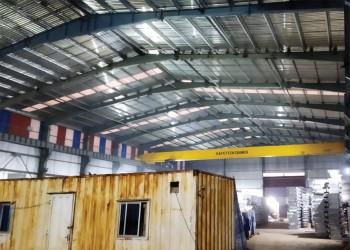
Choosing the right location is the first and most critical step. The site should be close to paddy fields to reduce transportation costs and ensure a steady supply of raw material. Additionally, ensure the area has sufficient space for:
- Storage of paddy and finished rice
- Installation of milling machinery
- Loading and unloading of raw materials
- Employee facilities
Adequate space planning will also allow future expansion.
2. Licenses and Legal Formalities
Before setting up a rice mill, you need to comply with local regulations. This includes obtaining:
- Business registration (Proprietorship, Partnership, or Private Limited)
- GST registration
- Factory license or FSSAI license for food processing
- Environmental clearance, if required
Ensuring all legal formalities are in place prevents future operational issues.
3. Understanding Rice Milling Machinery
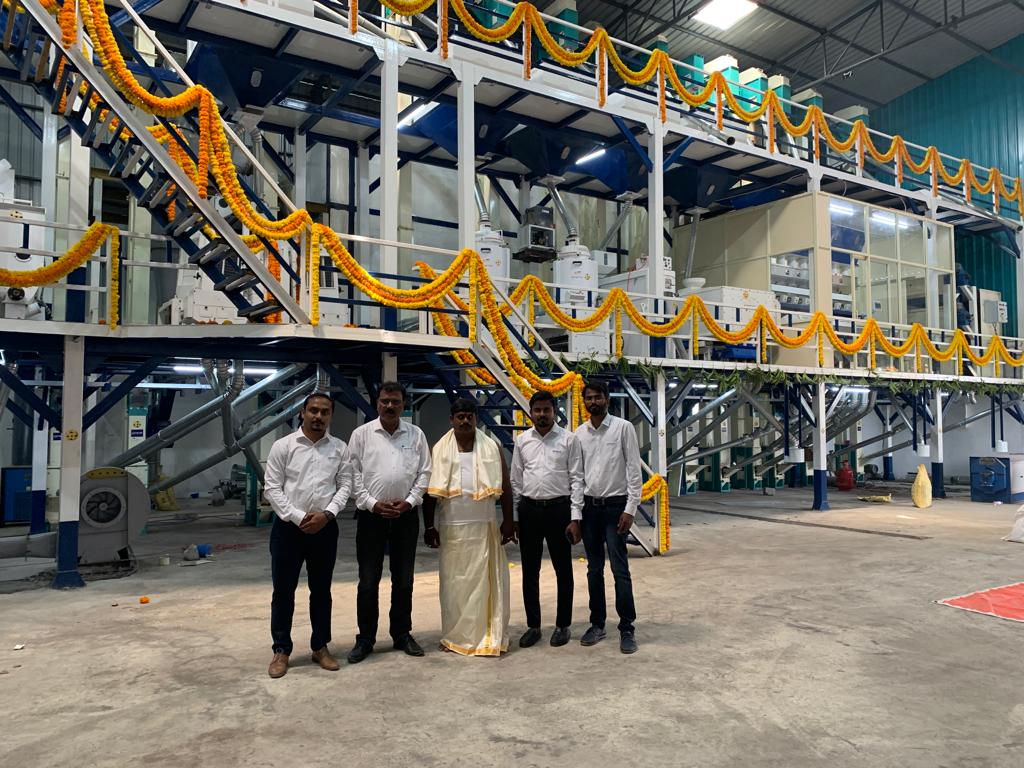
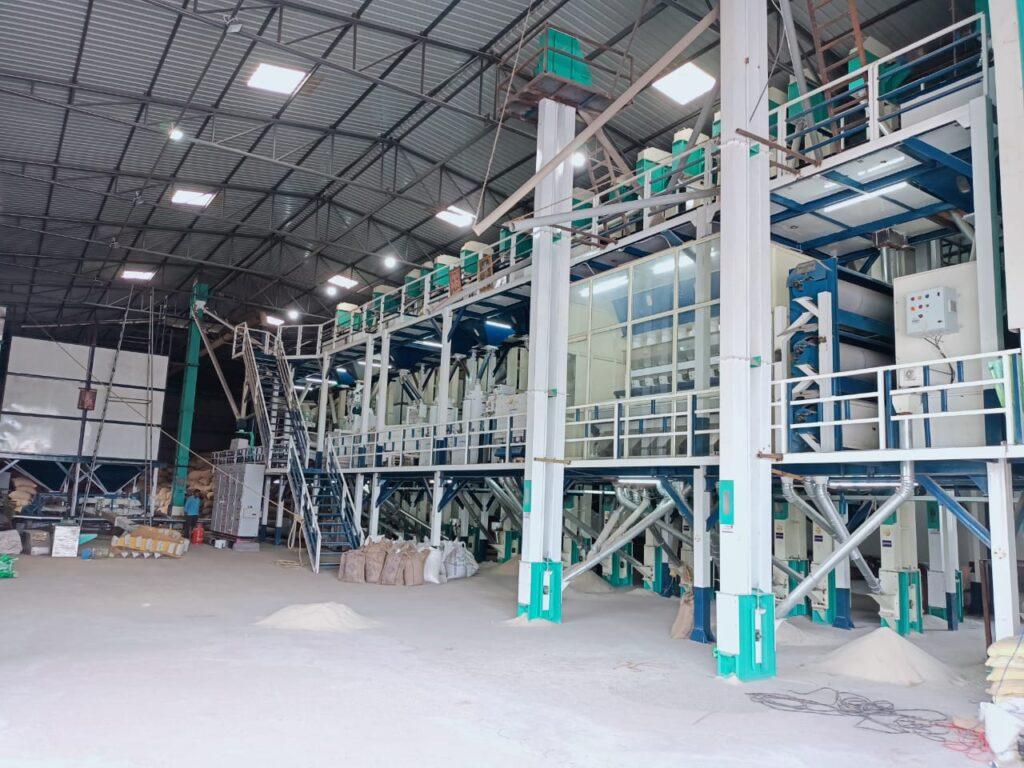
A rice mill requires several machines for processing paddy into polished rice. Key machines include:
- Paddy Cleaner – removes dust, stones, and other impurities
- Huller/Dehusker – removes the husk from paddy
- Paddy Separator – separates brown rice from unhusked paddy
- Polisher/Whitener – gives polished and shiny appearance to rice
- Grader/Sorters – separates rice based on size and quality
Understanding machine capacity, power requirements, and maintenance needs is essential for smooth operations.
4. Power Supply and Infrastructure
Rice milling is energy-intensive. Check the electricity load required for running all machinery efficiently. Backup power solutions such as generators or solar systems can ensure uninterrupted production. Proper flooring, ventilation, and lighting are also necessary to maintain hygiene and operational safety.
5. Storage and Handling Facilities
Storage is critical to maintain rice quality. You need:
- Raw Paddy Storage: Dry, well-ventilated areas to prevent spoilage
- Finished Rice Storage: Proper packing and storage areas to maintain hygiene
- Warehousing: For raw materials, spare parts, and finished products
Good storage prevents contamination, pest attacks, and losses.
6. Water and Waste Management
Water may be required for cleaning and processing rice. Ensure a proper water supply and drainage system. Additionally, plan for waste management: husk and bran disposal can be done through biofuel production or sale to livestock feed manufacturers.
7. Quality Control Measures
Maintaining high-quality standards is crucial. Implement:
- Regular inspection of machinery
- Cleaning of raw paddy before milling
- Periodic testing of finished rice for moisture, impurities, and broken grains
- Packaging in hygienic conditions
Quality control ensures customer satisfaction and builds brand trust.
8. Skilled Workforce
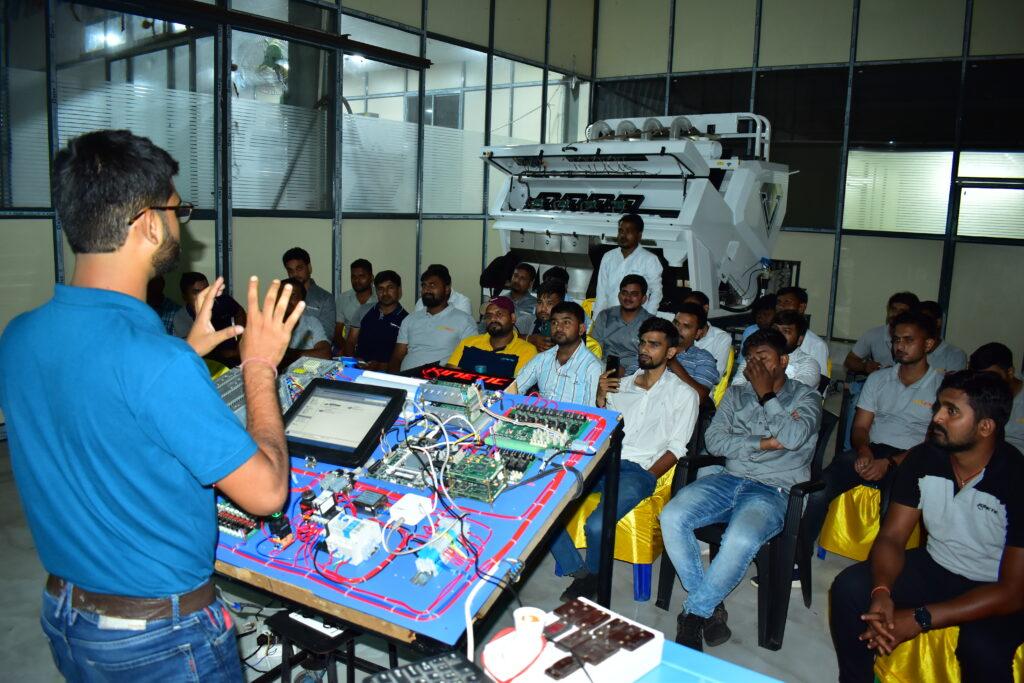
Hire trained staff who can operate machinery efficiently. Training programs for operators, technicians, and quality control personnel are essential to minimize downtime and maintain consistent production.
9. Market Research and Demand Analysis
Before setting up, analyze the demand for rice in your target market. Consider:
- Local vs. export demand
- Rice varieties preferred in the region
- Competitor pricing and quality standards
A well-researched market strategy ensures your rice mill remains profitable.
Conclusion
Setting up a rice mill involves careful planning and attention to multiple factors such as location, licenses, machinery, storage, quality control, and skilled labor. Checking each aspect thoroughly before starting ensures operational efficiency and long-term success.
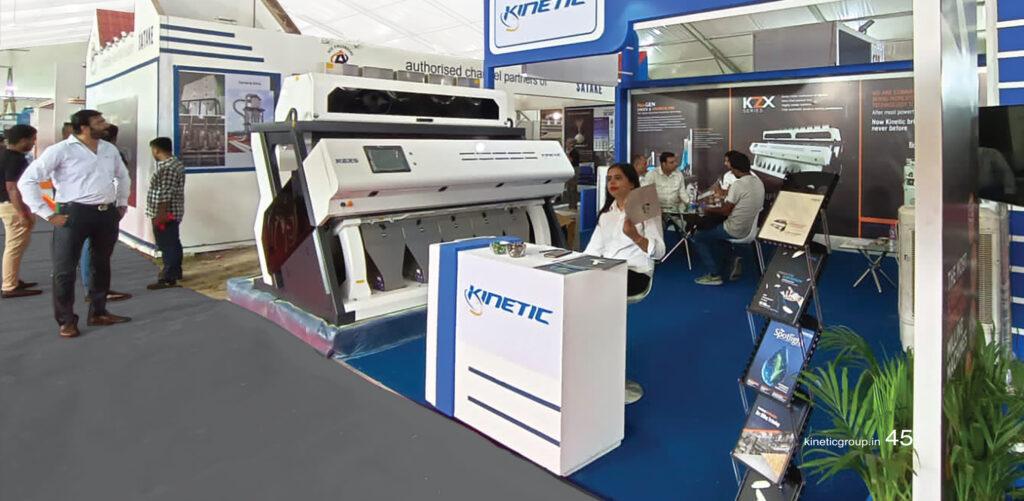
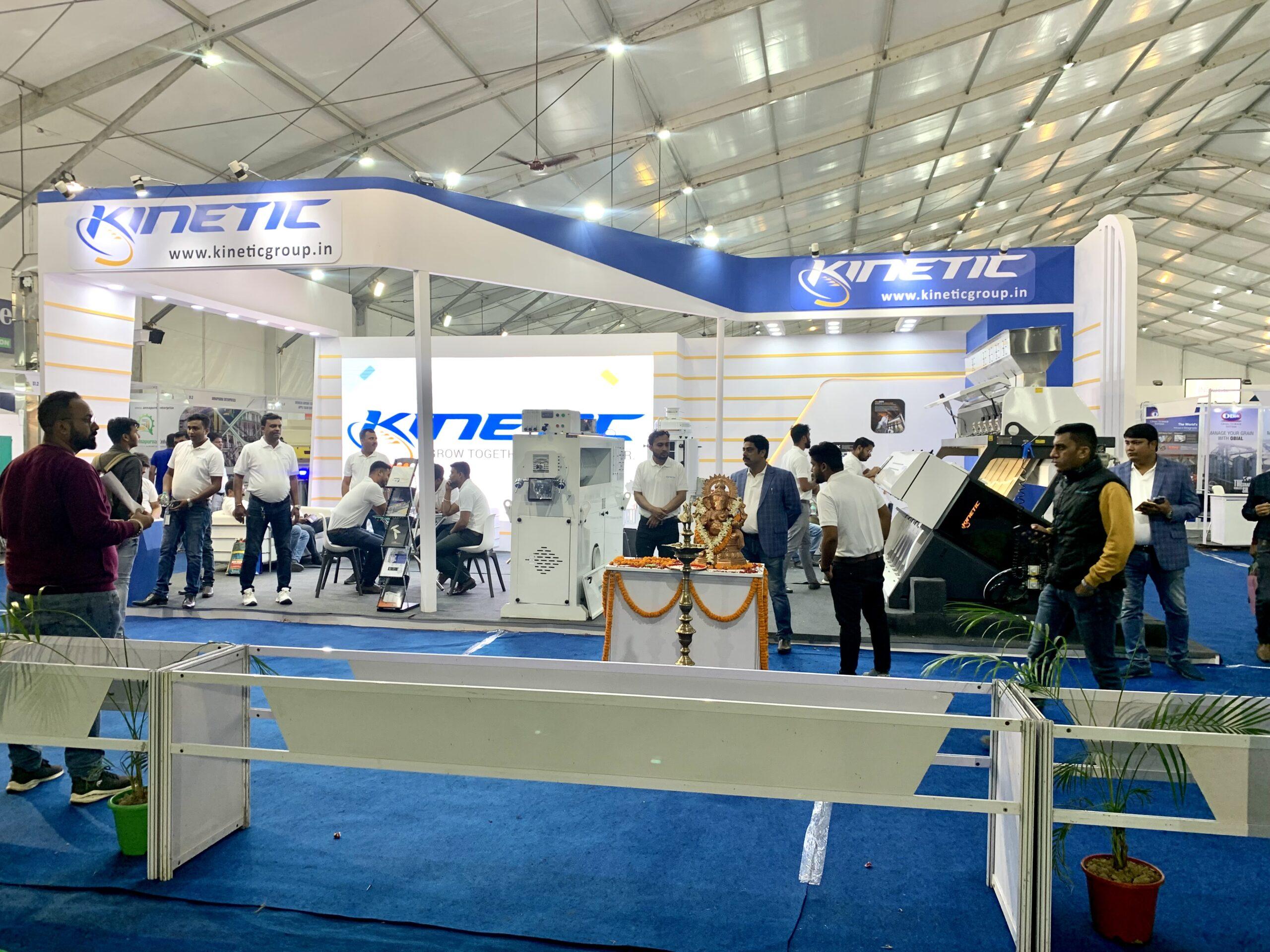
If you are looking for high-quality rice milling machinery and expert guidance, contact Kinetic Group today—the best rice mill machinery maker in Kolkata—and start your profitable rice milling venture with confidence!