Rice Milling by Products
Rice milling is a vital process in the food industry, producing high-quality polished rice for consumers. But what many mill owners overlook is that the milling process generates a range of by-products — rice husk, rice bran, broken rice, and dust — that often go underutilized. With the right approach, these by-products can be transformed into profitable resources, boosting both revenue and sustainability.
In this guide, we explore how mill owners can move toward a zero-waste operation and turn what was once discarded into value.
Common By-products of Rice Milling
- Rice Husk
- The hard outer shell of rice grains.
- Makes up roughly 20% of total rice output.
- Often discarded or burned, creating environmental issues.
- Rice Bran
- The nutrient-rich layer beneath the husk.
- Contains oils, proteins, vitamins, and minerals.
- Highly perishable if not processed quickly.
- Broken Rice
- Small fragments of rice grains broken during milling.
- Often sold cheaply or used in animal feed.
- Rice Dust / Fines
- Tiny particles separated during milling.
- Can be used in composting, bio-fertilizers, or feed.
Why By-product Utilization Matters
- Environmental Benefits: Reduces waste sent to landfills or burned in open air.
- Economic Advantage: Converts waste into additional revenue streams.
- Market Demand: Growing interest in eco-friendly, sustainable products.
- Compliance: Helps meet environmental regulations and sustainability standards.
How to Turn By-products into Profitable Resources
1. Rice Husk
- Biofuel: Rice husk can power boilers, generate steam, or produce electricity.
- Building Material: Used in bricks, cement additives, or insulation.
- Organic Fertilizer: After combustion or processing, husk ash can enrich soil.
2. Rice Bran
- Rice Bran Oil: Extracting oil for cooking or industrial purposes.
- Animal Feed: Rich in nutrients for livestock and poultry.
- Nutritional Supplements: Bran can be processed into health products.
3. Broken Rice
- Quick-cook Rice & Snacks: Ideal for ready-to-eat foods and rice flour.
- Animal Feed: A cost-effective feed option for cattle and poultry.
- Brewing & Distillation: Used in alcoholic beverages or rice-based spirits.
4. Rice Dust / Fines
- Composting: Improves soil fertility.
- Biodegradable Packaging: Can be incorporated into eco-friendly materials.
- Pellets & Briquettes: Used as fuel in biomass energy plants.
Technical Considerations
- Investing in segregation and storage systems is crucial to prevent spoilage.
- Processing units such as oil extractors, pelletizers, or briquette machines may be required depending on the by-product.
- Proper packaging and logistics ensure quality when selling to secondary markets.
Economic Benefits
A simple cost-benefit scenario:
- A mill producing 10 tons of rice daily generates ~2 tons of husk and ~1 ton of bran.
- If properly utilized:
- Rice husk for biofuel saves on electricity costs or can be sold.
- Rice bran can produce edible oil worth thousands per month.
- Broken rice can be packaged and sold to feed companies.
By-product utilization can increase total revenue by 10–20% while reducing disposal costs.
Role of Kinetic Group in Zero-Waste Milling
Kinetic Group supports mill owners in:
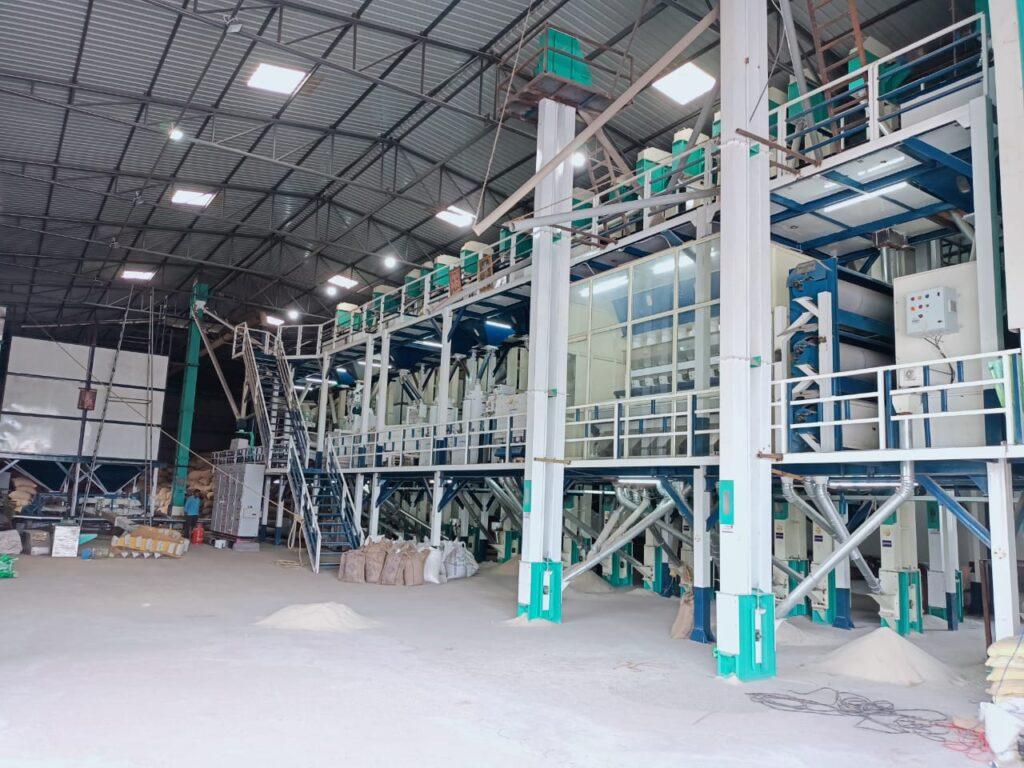
- Providing high-efficiency machines for optimal separation and by-product collection.
- Advising on value-added processing solutions for rice husk, bran, and broken rice.
- Ensuring sustainable, cost-effective operations that align with green energy initiatives.
- Offering technical consultation for mills looking to adopt circular economy principles.
Conclusion
Turning rice milling by-products into profitable resources is not only financially rewarding but also environmentally responsible. By adopting innovative processing methods, investing in proper equipment, and exploring secondary markets, mill owners can create a zero-waste operation that benefits both business and the planet.
Start today — transform waste into wealth and make your rice mill a model of sustainability and profitability!