Rice Milling Machine Maintenance
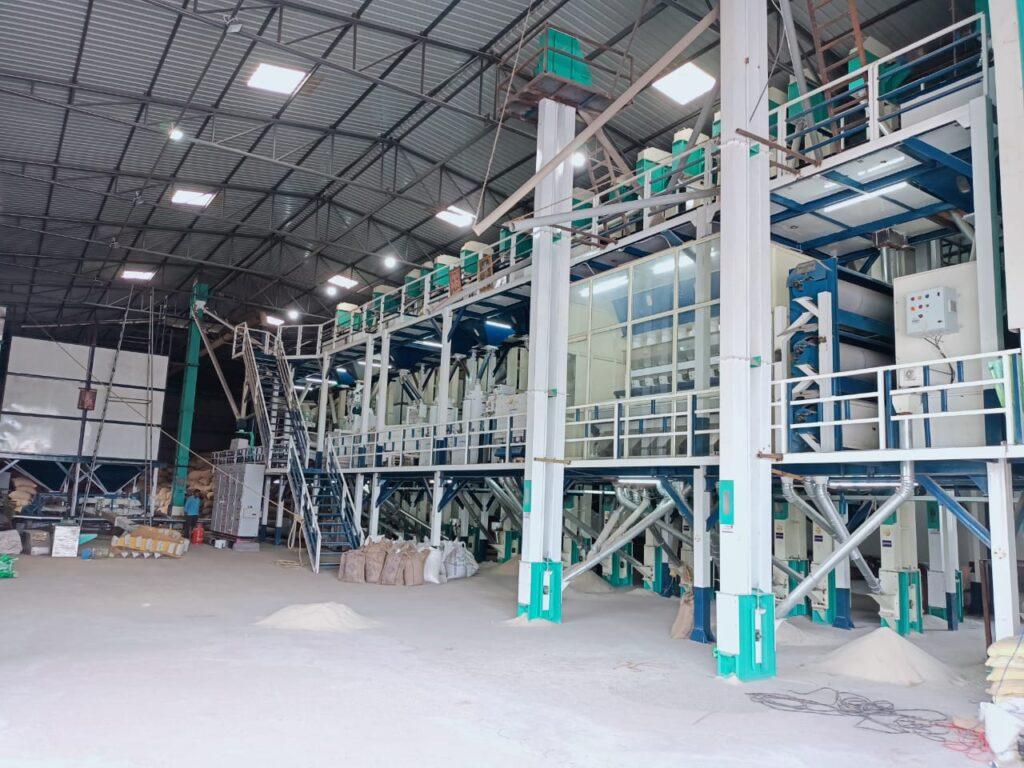
Rice milling machines are the backbone of any rice processing plant. Ensuring their optimal performance is key to maintaining high-quality output, reducing downtime, and extending the lifespan of the machinery. Regular maintenance not only prevents costly repairs but also enhances efficiency and productivity. Here’s a comprehensive guide on essential maintenance tips for rice milling machines.
1. Regular Cleaning is Crucial
Rice milling machines process large quantities of grains daily, leading to dust, husk, and bran accumulation. This debris can affect machine performance and product quality.
- Daily cleaning: Remove dust and leftover grains from all surfaces and compartments.
- Use air blowers or vacuum cleaners: Helps clean hard-to-reach areas.
- Clean hoppers and sieves: Prevent clogging and ensure smooth grain flow.
2. Lubrication and Oil Checks
Proper lubrication is vital for reducing friction between moving parts and preventing wear and tear.
- Check lubrication points: Refer to the manufacturer’s manual for specific areas that require oiling.
- Use recommended lubricants: Using the wrong type can damage the machine.
- Regular oil replacement: Replace oil in gearboxes and bearings as per schedule.
3. Inspect Belts and Pulleys
Belts and pulleys transfer power within the machine. Worn-out or loose belts can lead to reduced efficiency or even machine breakdown.
- Check for wear and tear: Look for cracks, fraying, or stretching.
- Adjust tension: Ensure belts are neither too tight nor too loose.
- Replace when necessary: Don’t wait for total failure; early replacement saves downtime.
4. Monitor and Maintain Electrical Components
Modern rice milling machines rely on electrical systems for automation and efficiency.
- Inspect wiring and connections: Look for loose wires, corrosion, or signs of overheating.
- Check motors and sensors: Ensure smooth operation without unusual noise or vibration.
- Prevent moisture exposure: Keep electrical panels dry to avoid short circuits.
5. Sharpen and Replace Milling Components
The hulling and polishing sections of the machine rely on sharp, precise components for efficient processing.
- Check blades and rollers regularly: Dull blades reduce milling efficiency and increase breakage.
- Replace worn-out rollers or stones: Maintain consistent output quality.
- Balance components: Uneven or misaligned parts can cause vibrations and damage.
6. Regular Calibration
Calibration ensures the machine processes grains uniformly and meets quality standards.
- Adjust sieves, huller, and polisher settings: Maintain proper separation of husk and bran.
- Check output grain size and whiteness: Ensure consistent quality.
- Document calibration: Keeping a log helps identify recurring issues.
7. Keep a Maintenance Schedule
A structured maintenance routine ensures nothing is overlooked.
- Daily checks: Cleaning, lubrication, and minor inspections.
- Weekly checks: Belts, pulleys, and electrical components.
- Monthly or quarterly checks: Component replacements, calibration, and thorough inspection.
- Maintain logs: Track maintenance activities for future reference and warranty purposes.
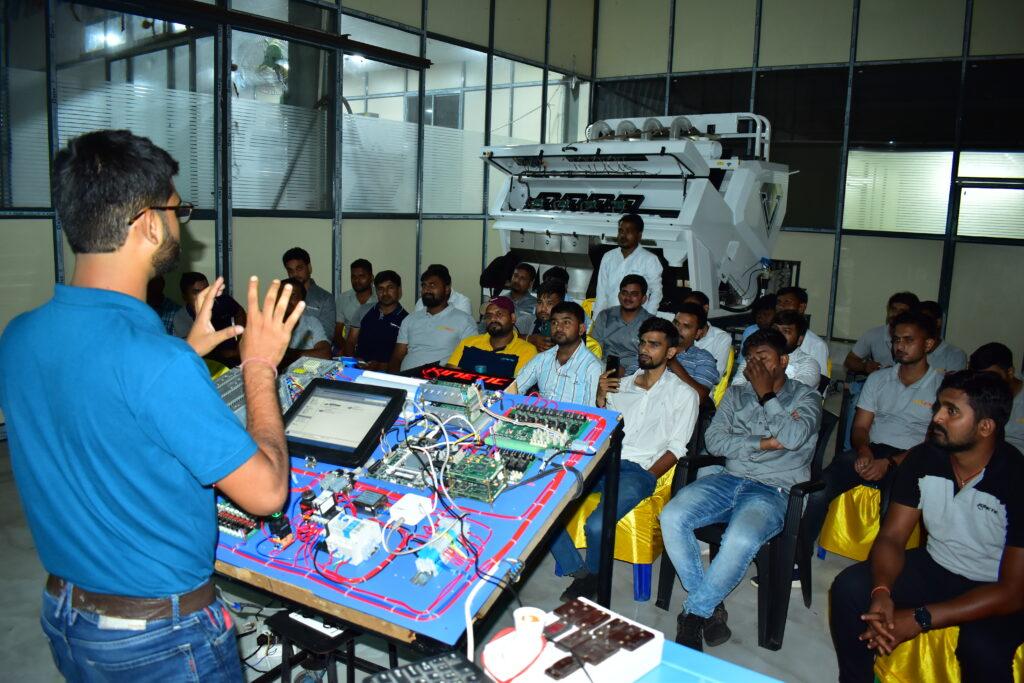
8. Train Operators Properly
Even the best-maintained machines can fail if operators are not trained correctly.
- Educate operators: Teach them proper startup, operation, and shutdown procedures.
- Safety training: Prevent accidents while performing maintenance.
- Encourage reporting: Quick reporting of unusual noises or performance issues prevents major breakdowns.
Final Thoughts
Proper maintenance of rice milling machines is not just about preventing breakdowns—it’s about ensuring consistent product quality, operational efficiency, and long-term cost savings. By following a regular maintenance schedule, inspecting critical components, and training operators, rice milling plants can achieve optimal performance and longevity from their machinery.