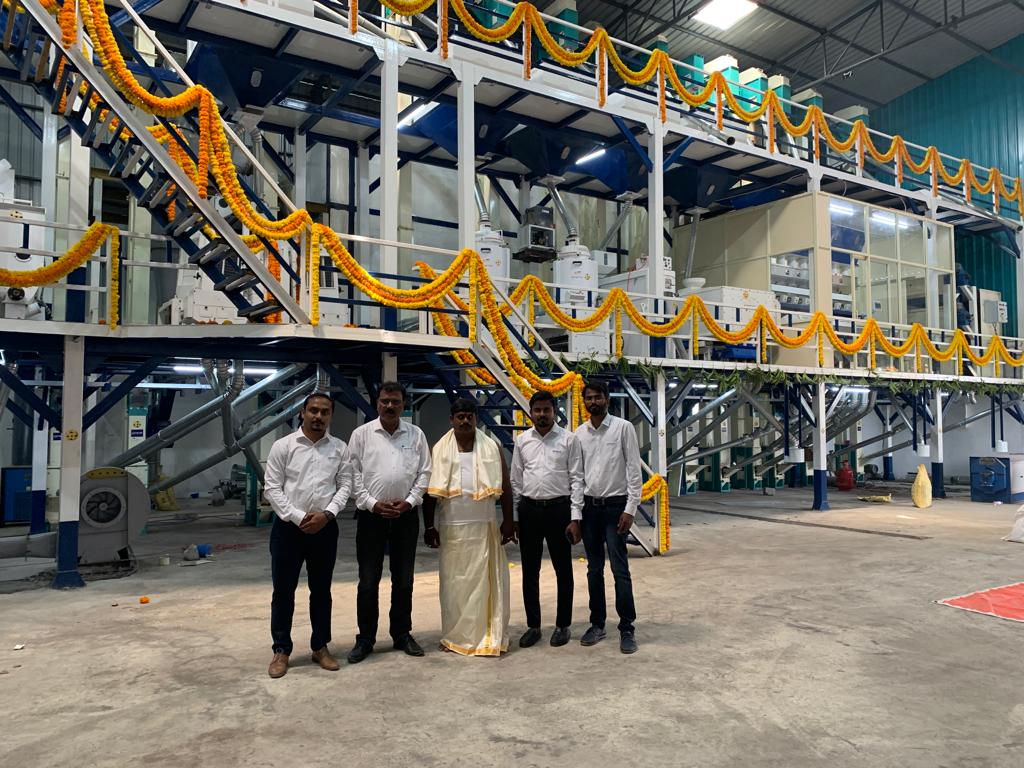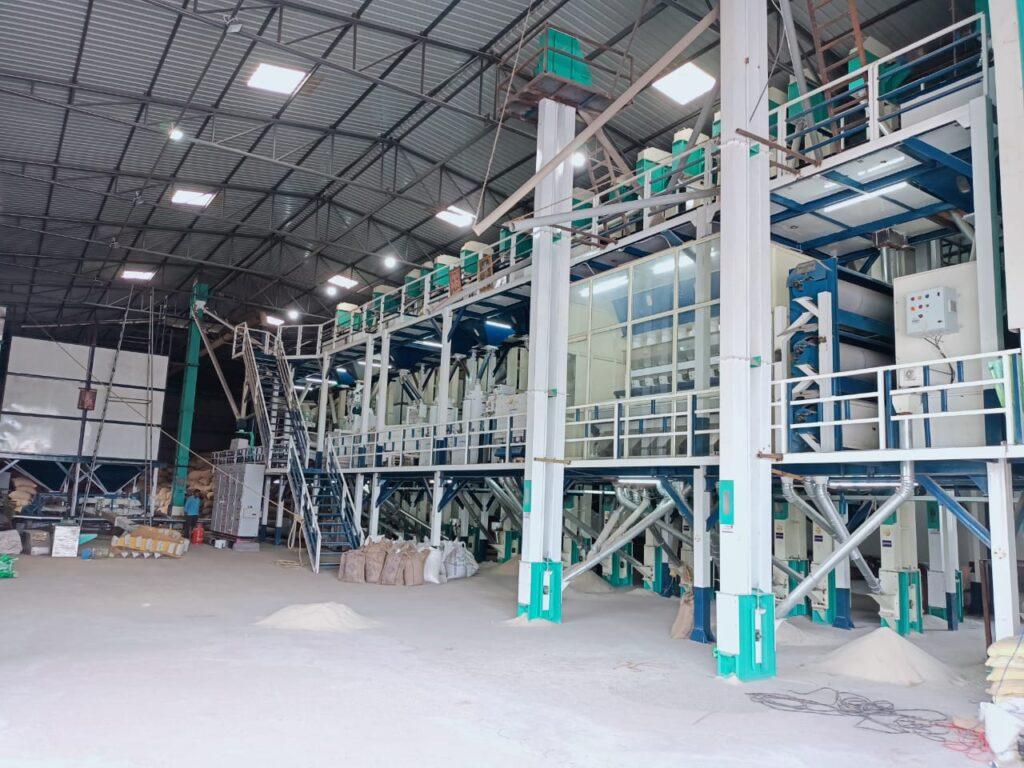
Rice Milling Process
Rice is a staple food for millions, but the journey from harvested paddy to polished rice involves a carefully planned and technology-driven process. Understanding the complete rice processing flow is essential for farmers, mill owners, and agri-business investors who want better yield, quality output, and profitability. This blog explains each stage of rice milling in a simple and structured way, highlighting how modern machinery ensures efficiency and consistency.
Step 1: Paddy Cleaning – Removing Impurities
The process begins with pre-cleaning, where harvested paddy is passed through cleaning machines to remove dust, stones, straw, chaff, and other foreign materials. Proper cleaning is crucial as it protects downstream machines from damage and improves overall milling efficiency.
Step 2: De-Stoning – Ensuring Grain Safety
After cleaning, paddy enters the de-stoner, which separates stones and heavy impurities based on density differences. This step is essential to prevent equipment wear and ensure safe, high-quality rice production.
Step 3: Husking – Removing the Outer Husk
In the husking stage, the outer husk of the paddy is removed using rubber roll shellers. The output at this stage is brown rice along with husk and some un-husked paddy. Efficient husking minimizes grain breakage and increases head rice yield.
Step 4: Paddy Separation – Maximizing Recovery
The mixture of brown rice and un-husked paddy is passed through a paddy separator, which separates the remaining paddy and sends it back for re-husking. This recycling process improves recovery rates and reduces wastage.
Step 5: Whitening – Removing the Bran Layer
Brown rice then goes through whitening machines, where the bran layers are gently removed. Multiple whitening stages may be used to achieve the desired level of whiteness while maintaining grain strength and minimizing breakage.
Step 6: Polishing – Enhancing Appearance
Polishing enhances the rice’s visual appeal by removing residual bran particles and giving the grains a smooth, glossy finish. Proper polishing improves market value without compromising nutritional quality.
Step 7: Grading – Sorting by Size and Quality
After polishing, rice is graded using sifters and graders to separate full grains from broken ones. Accurate grading ensures uniformity, improves packaging standards, and allows millers to target different market segments effectively.
Step 8: Color Sorting – Ensuring Premium Quality
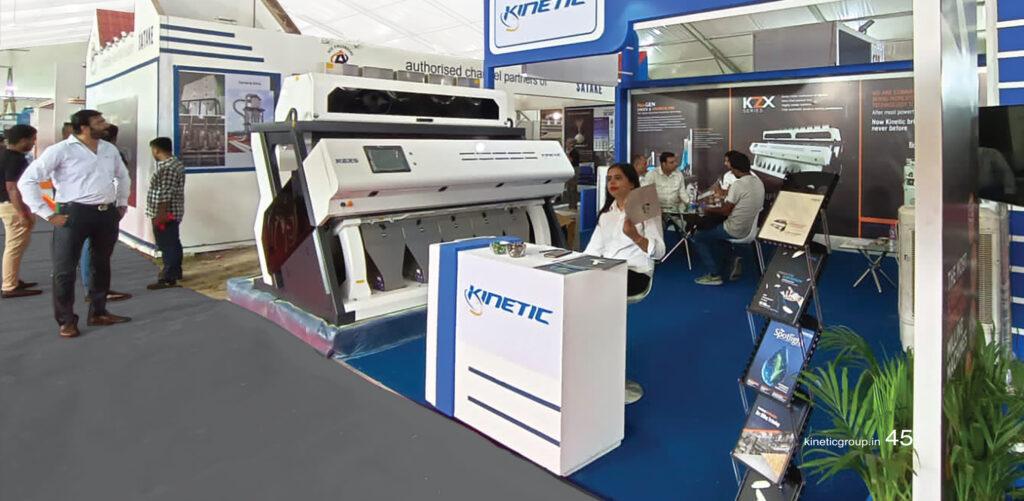
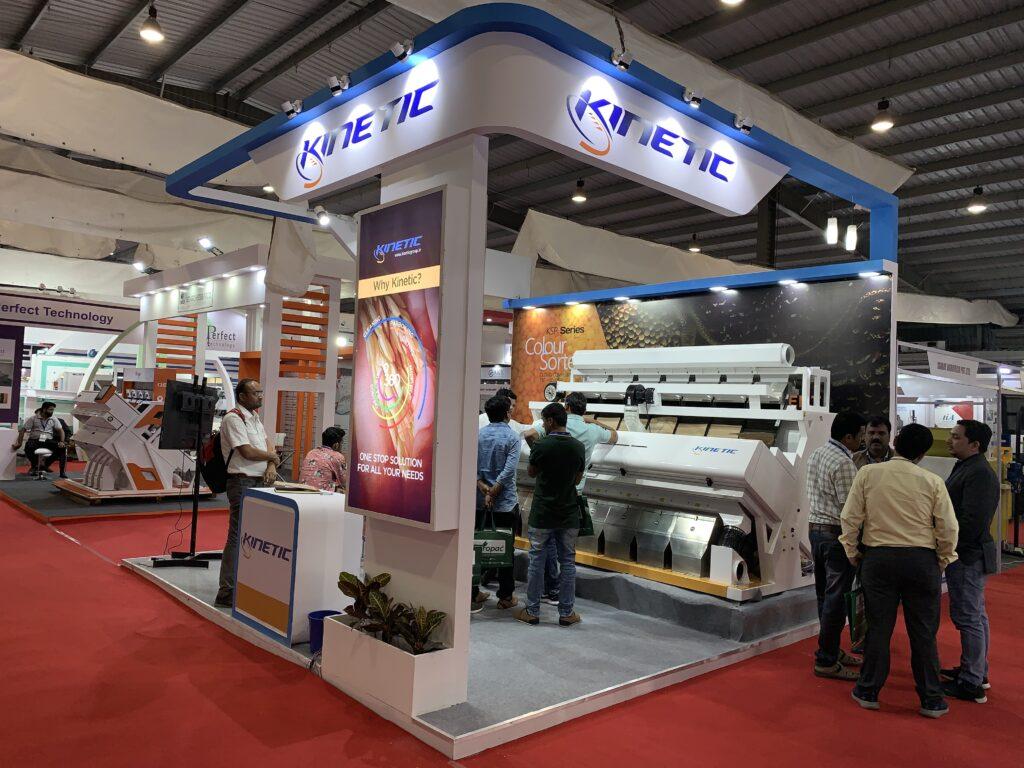
Modern rice mills use color sorter machines to detect and remove discolored, damaged, or defective grains. This step is especially important for export-quality and premium rice production, where consistency and appearance matter most.
Step 9: Packaging – Ready for the Market
The final step involves weighing and packaging the processed rice into bags or consumer packs. Automated packing systems ensure accuracy, speed, and hygiene, making the rice ready for distribution and sale.
Why a Modern Processing Flow Matters
A well-designed rice processing flow improves yield, reduces grain breakage, saves energy, and enhances overall product quality. Advanced machinery and automation also reduce labor dependency and operational costs, helping rice mill owners stay competitive in today’s market.
Final Thoughts
From paddy cleaning to polished rice packaging, every stage plays a vital role in determining the final quality and profitability of rice milling operations. By understanding and investing in the right processing technology, millers can achieve higher efficiency, better output, and long-term business growth. Companies like Kinetic Group support this journey by providing reliable, modern rice milling solutions tailored to diverse production needs.