Small Scale Rice Mill Technology
Running a small-scale rice milling business can be rewarding, but it comes with its own set of challenges. From ensuring quality output to managing costs, rice millers often face hurdles that can affect profitability and sustainability. Thanks to advancements in technology, many of these problems now have practical, efficient solutions. Here’s a look at the top 5 challenges for small-scale rice millers and how modern technology can help overcome them.
1. Maintaining Consistent Quality
The Challenge: Small-scale millers often struggle to maintain uniform quality due to manual sorting, traditional machines, or inconsistent raw material. Poor-quality rice can lead to lower market prices and unhappy customers.
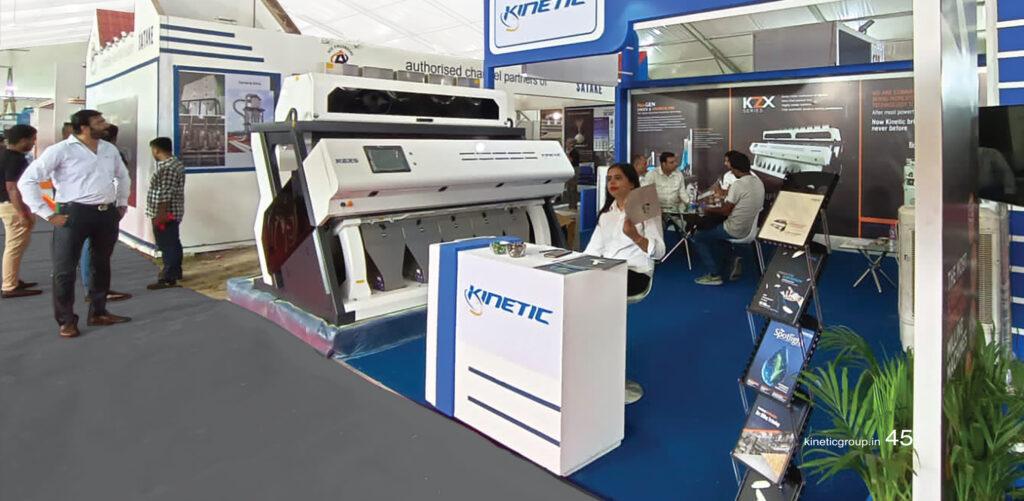
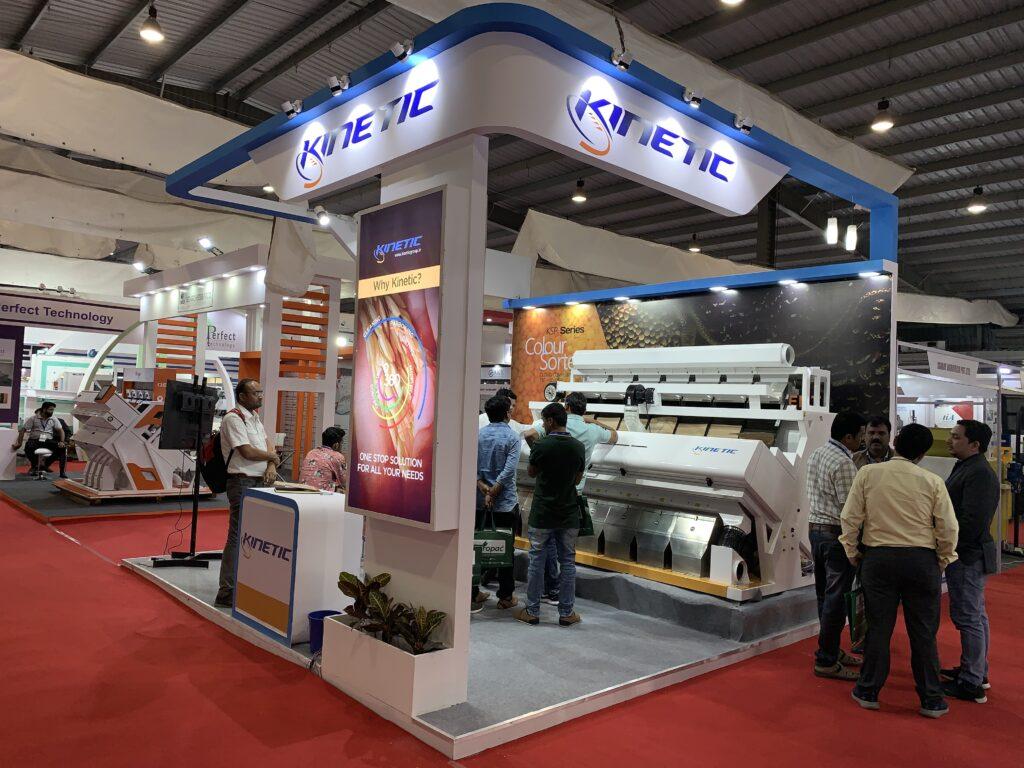
The Tech Solution: Modern optical color sorters and automated milling machines ensure uniform quality by removing broken grains, stones, and impurities. With precise calibration, these machines guarantee premium-quality rice every time, enhancing customer satisfaction and profitability.
2. High Labor Costs
The Challenge: Manual processes, including husking, polishing, and packaging, require a large workforce. This increases operational costs and slows down production.
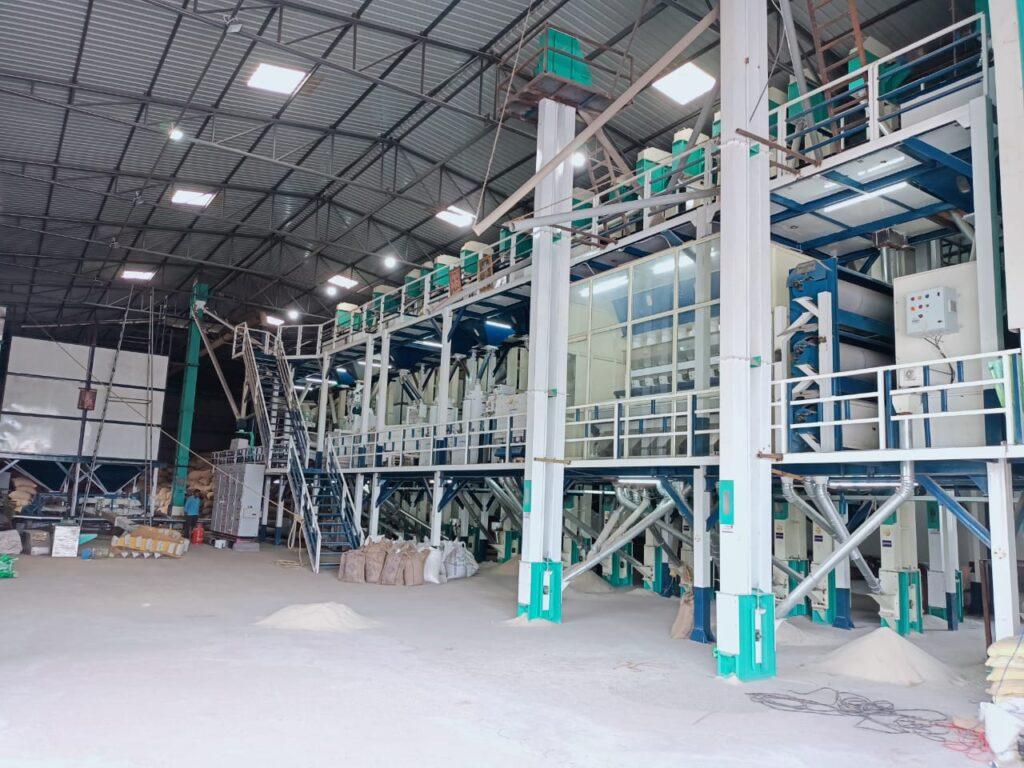
The Tech Solution: Automated milling plants significantly reduce dependency on labor. Machines can handle multiple stages of milling, from paddy cleaning to polishing, in less time and with fewer human resources, allowing small millers to save money and scale their operations efficiently.
3. Wastage and Low Efficiency
The Challenge: Traditional mills often result in high levels of broken rice, husk, and bran wastage. Low efficiency not only reduces output but also increases production costs.
The Tech Solution: Advanced milling machines are designed to maximize yield and minimize waste. Precision huskers and polished rice machines optimize grain recovery, ensuring millers get the most out of every batch of paddy, boosting revenue without extra input.
4. Inconsistent Supply Chain
The Challenge: Small-scale rice millers may struggle with sourcing quality paddy consistently. Irregular supply affects production schedules and can lead to business downtime.
The Tech Solution: Technology platforms now allow millers to connect with reliable suppliers and track inventory efficiently. Some modern mills integrate software that monitors stock levels and predicts supply needs, reducing downtime and ensuring smooth operations year-round.
5. Market Competitiveness
The Challenge: Competing with larger rice mills that use modern machinery and branding can be tough for small-scale operators. Price, quality, and delivery reliability are often barriers.
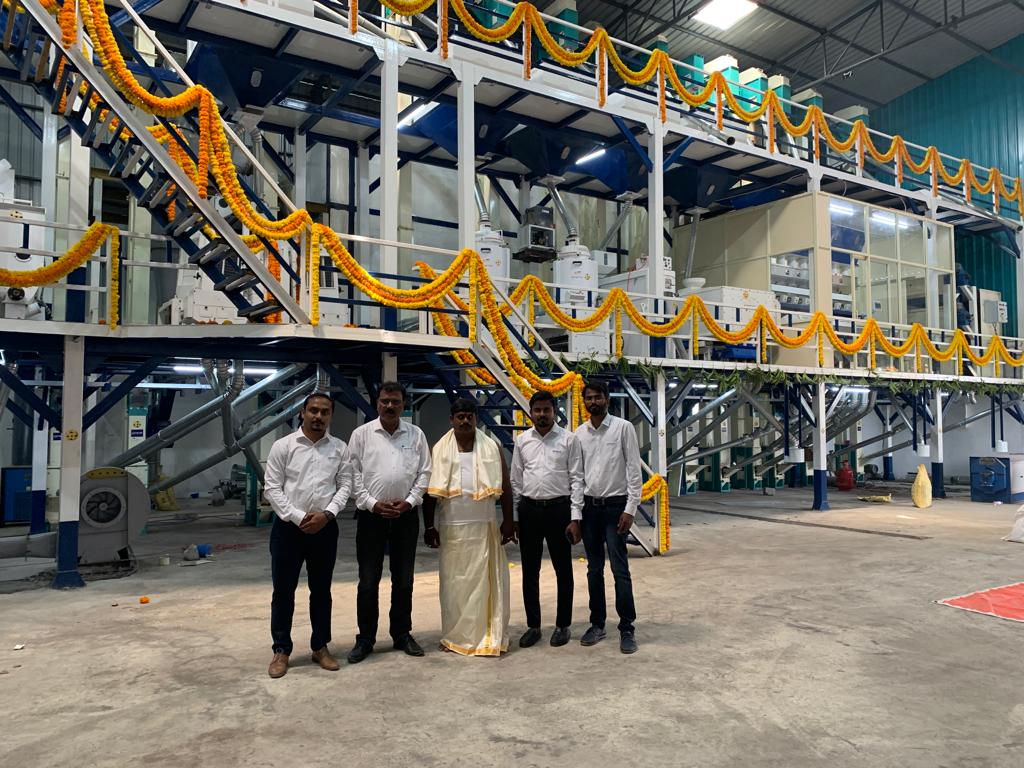
The Tech Solution: By adopting turnkey milling solutions and modern machines from trusted manufacturers like Kinetic Group, small-scale millers can match industry standards. Improved quality, efficiency, and packaging help them compete effectively, expand their market reach, and increase profits.
Conclusion
Small-scale rice milling comes with its own set of challenges, but technology is leveling the playing field. From quality control to automation and supply chain management, modern machinery and smart solutions empower small millers to increase efficiency, reduce costs, and compete in a growing market.