Smart Grain Milling Technology in India
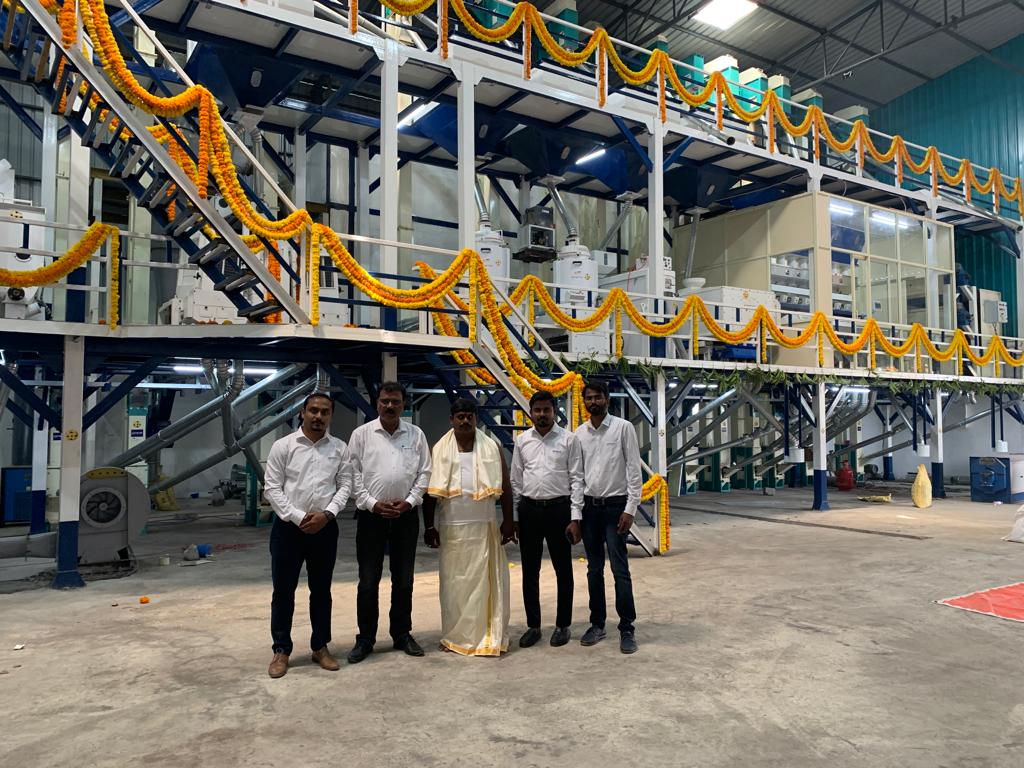
Agriculture has always been the backbone of rural India, but the future of rural growth depends on how effectively technology is integrated into traditional practices. One of the most impactful yet often overlooked areas is grain milling. With the adoption of smart grain milling technology, rural India can unlock higher productivity, better income opportunities, and sustainable economic growth.
The Need for Modern Grain Milling in Rural India
Traditional grain milling methods often result in:
- High post-harvest losses
- Inconsistent grain quality
- Lower market value
- Increased manual labor
Smart grain milling technology addresses these challenges by introducing automation, precision, and efficiency—helping rural millers compete in modern markets.
What Is Smart Grain Milling Technology?
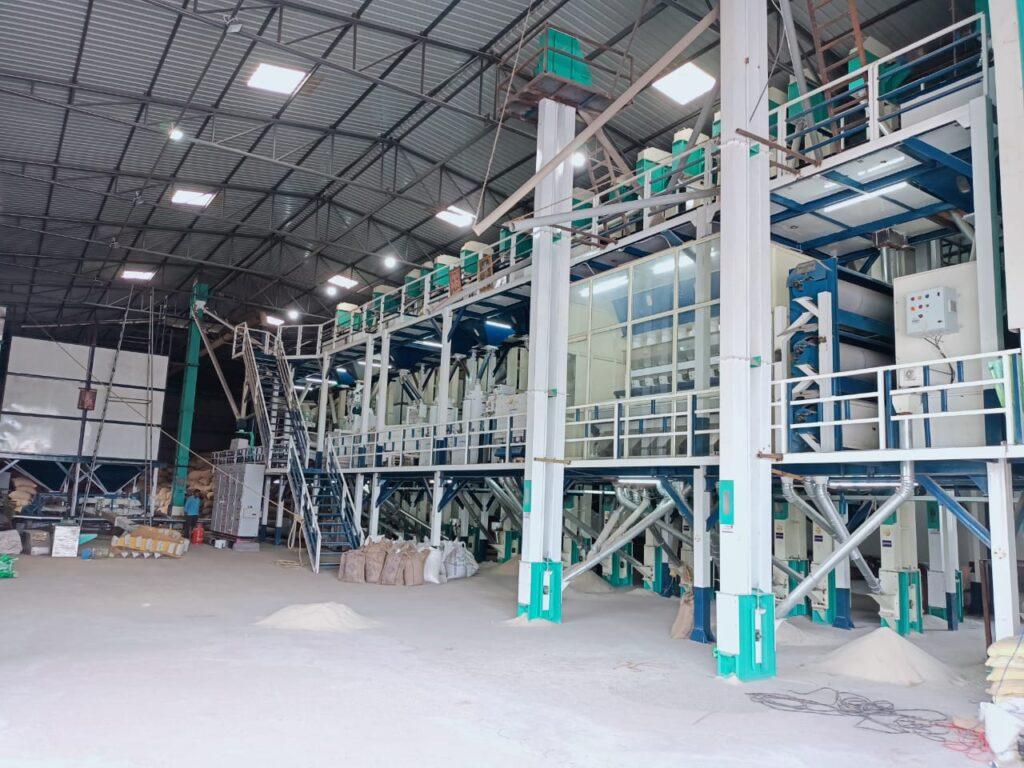
Smart grain milling technology uses advanced machinery and automation to handle processes such as:
- Cleaning and grading
- Dehusking and polishing
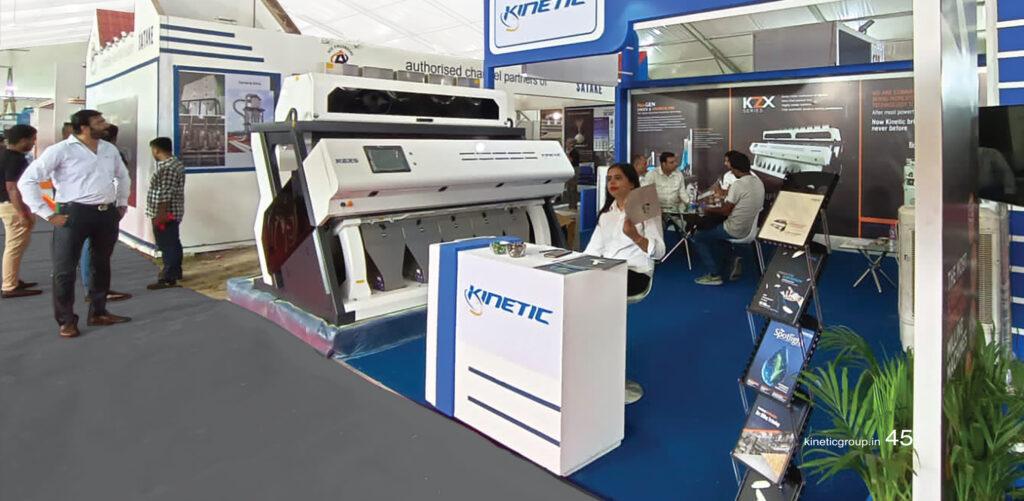
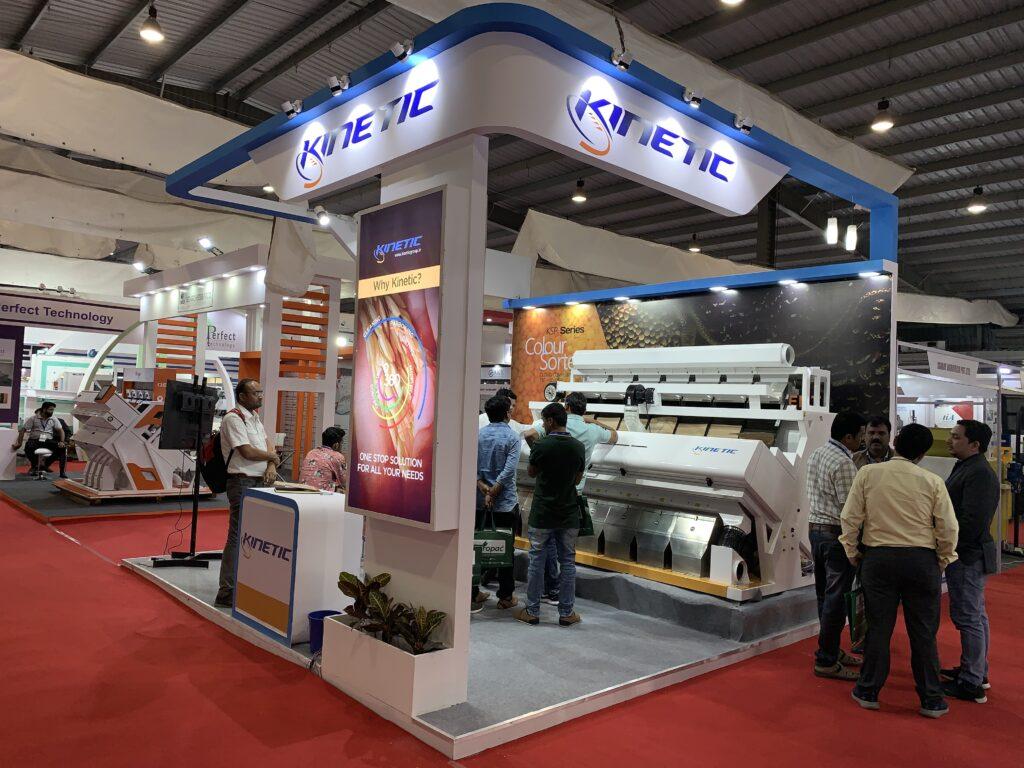
- Color sorting and quality control
- Energy-efficient milling operations
These systems ensure consistency, reduce waste, and improve overall output quality.
Reducing Post-Harvest Losses
A significant portion of harvested grains is lost due to improper processing. Smart milling systems:
- Remove impurities accurately
- Reduce grain breakage
- Maintain uniform grain size and quality
This directly translates into higher usable yield and increased profitability for rural mill owners and farmers.
Improving Income for Farmers and Mill Owners
With better milling quality:
- Farmers can demand better prices for processed grains
- Mill owners can supply premium-grade products to wholesalers and exporters
- Access to larger and more competitive markets becomes possible
Value addition through smart milling allows rural enterprises to move beyond raw grain sales.
Generating Employment in Rural Areas
Modern milling plants create:
- Skilled and semi-skilled job opportunities
- Demand for machine operators, technicians, and quality controllers
- Indirect employment in logistics, packaging, and maintenance
This contributes to reducing rural-to-urban migration by creating sustainable local employment.
Energy Efficiency and Cost Savings
Smart grain milling machines are designed to:
- Consume less power
- Reduce operational downtime
- Minimise manual intervention
Lower energy costs and efficient operations make milling businesses more sustainable and profitable in the long run.
Supporting Sustainable and Scalable Growth
Modern grain milling supports sustainability by:
- Reducing food waste
- Optimising resource usage
- Enabling scalable plant expansion
Rural entrepreneurs can start small and gradually scale operations as demand grows.
Empowering Rural Entrepreneurs
With access to smart technology and turnkey milling solutions, rural entrepreneurs can:
- Establish modern milling units
- Compete with urban processors
- Build long-term, profitable businesses
Technology acts as an equaliser, giving rural enterprises a strong competitive edge.
Conclusion
Smart grain milling technology is more than just an upgrade—it is a catalyst for rural economic transformation. By improving efficiency, reducing losses, creating jobs, and increasing income opportunities, modern milling solutions play a vital role in strengthening rural India’s economy. Investing in advanced grain milling technology today paves the way for a more prosperous and sustainable tomorrow.