How Smart Machinery Enhances Sustainability in Grain Milling
In today’s fast-evolving grain milling industry, the drive toward sustainability is no longer optional—it’s essential. As environmental regulations tighten and operational costs rise, millers are turning to smart machinery to stay competitive while reducing their ecological footprint. But what exactly does “smart machinery” mean, and how does it make milling more sustainable?
What Is Smart Machinery in Grain Milling?
Smart machinery refers to equipment enhanced with advanced technologies like IoT (Internet of Things), automation, data analytics, and real-time monitoring systems. These machines don’t just perform traditional milling tasks—they analyze, adapt, and optimize operations on the fly.
Examples include:
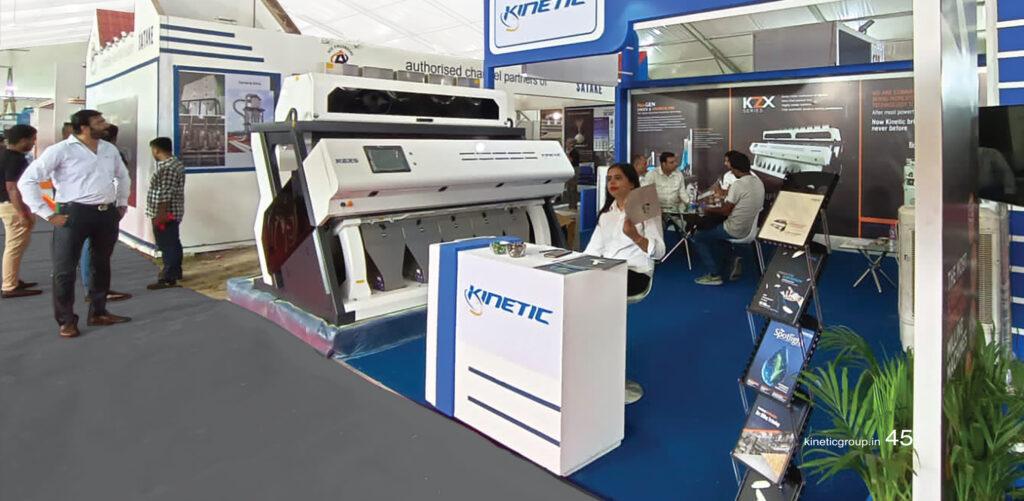
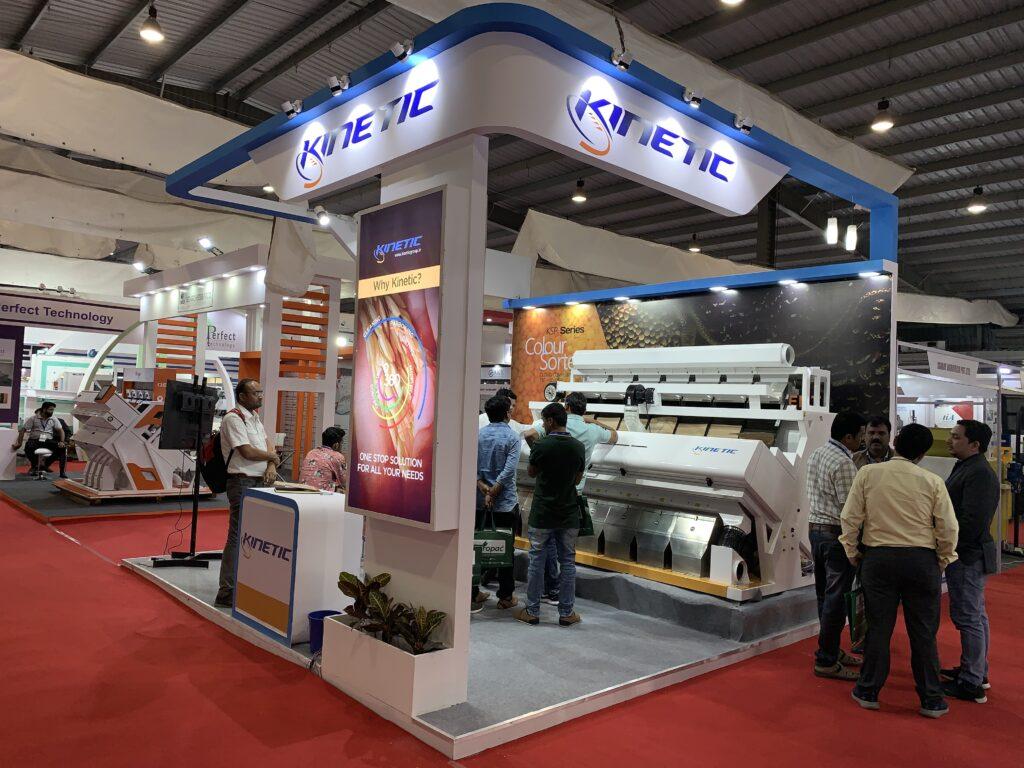
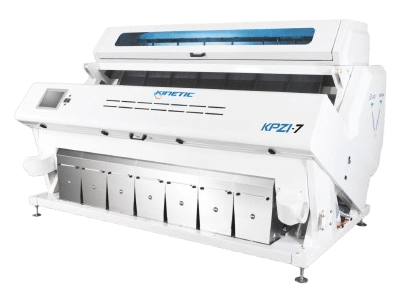
- IoT-enabled grain sorters that reduce waste by increasing sorting precision
- Automated dosing systems that minimize energy and water usage
- Predictive maintenance tools that prevent downtime and reduce resource waste
The Sustainability Impact
Smart machinery is helping mills achieve measurable environmental and economic benefits:
1. Energy Efficiency
By optimizing motor usage and processing times, smart systems significantly reduce energy consumption. Some mills report savings of up to 20% after switching to intelligent automation.
2. Waste Reduction
Advanced sensors and real-time monitoring reduce raw material losses. For example, smart sorters ensure that only subpar grains are discarded, while preserving as much usable product as possible.
3. Water Conservation
In processes that involve water, like cleaning or conditioning grains, smart machinery controls flow rates and usage with pinpoint accuracy—minimizing waste and preserving resources.
4. Lower Emissions
Efficient equipment reduces not only energy use but also associated carbon emissions. Integrating renewable energy with smart machinery amplifies the impact.
Real-World Example
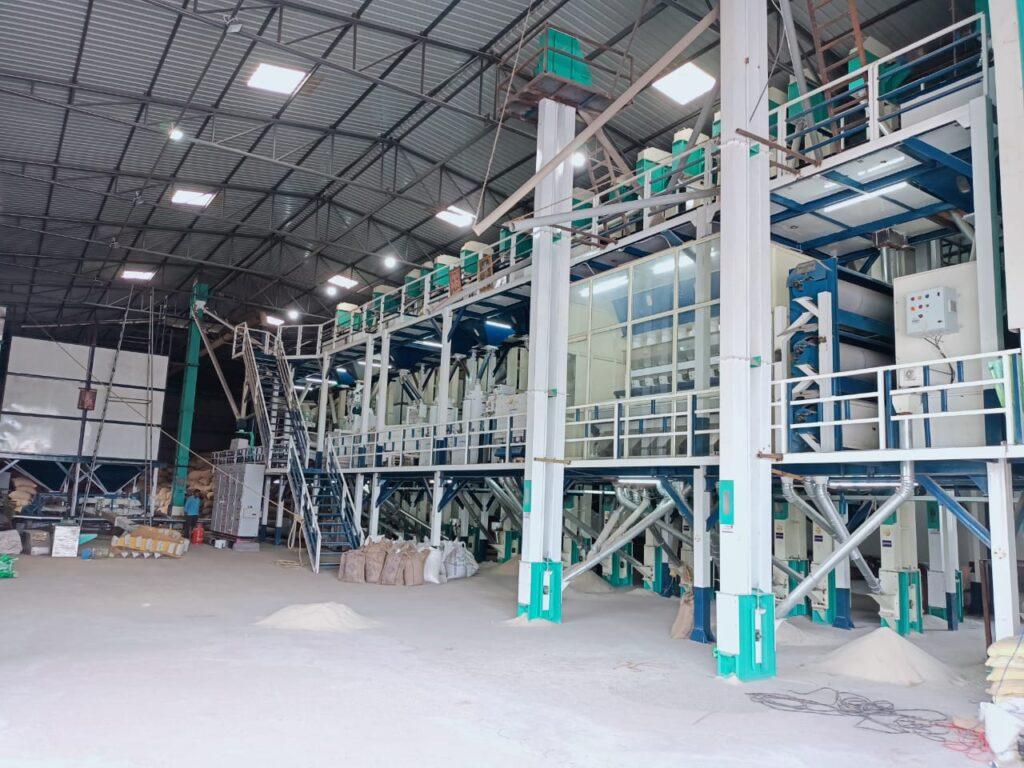
At Kinetic Group, we’ve seen remarkable outcomes in mills that adopted our advanced grain milling systems. One facility reduced its power usage by 18% and cut grain waste by nearly 25% within six months—all thanks to automation and real-time feedback loops built into our machinery.
Best Practices for Adoption
For mills ready to make the switch, here are a few steps to begin the transition:
- Start small: Upgrade one process line to test results.
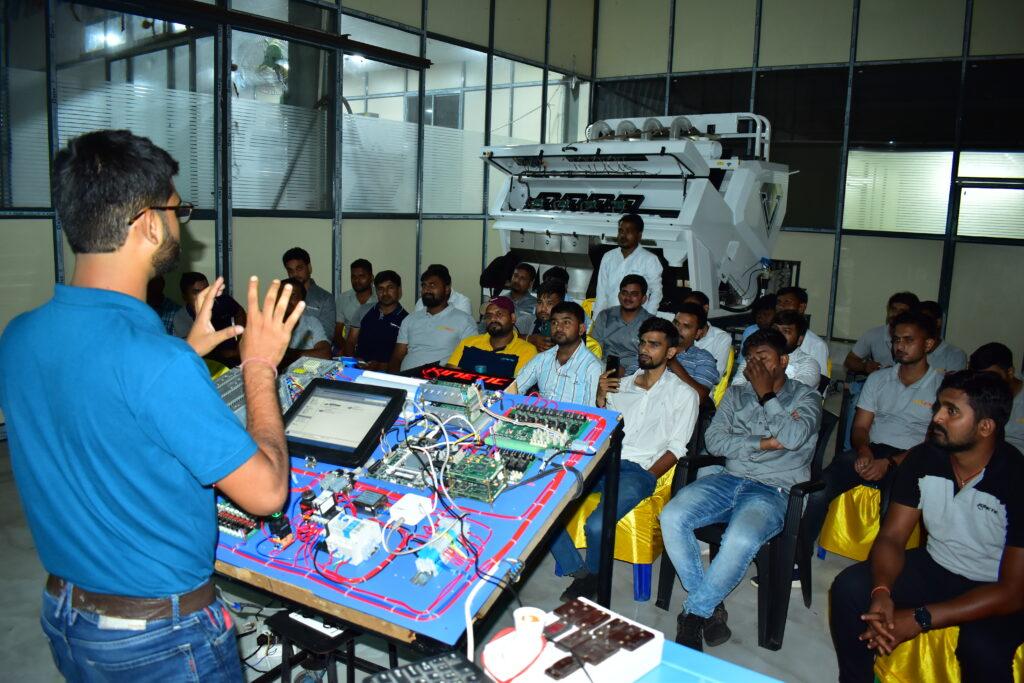
- Train staff: Smart machines need skilled operators for optimal use.
- Use data: Collect and analyze machine data to identify further efficiencies.
- Partner wisely: Work with a provider that offers not just machines, but long-term support and integration expertise.
Final Thoughts
Sustainability is no longer just a buzzword—it’s a business strategy. With smart machinery, grain milling can become more efficient, less wasteful, and environmentally responsible. For companies aiming to lead in this space, the future is not just smart—it’s sustainable.