Sustainable Rice Milling Technology
The global grain processing industry is undergoing a major transformation. With rising demand for food, increasing production costs, and growing environmental concerns, rice millers today face the challenge of producing more with fewer resources. This is where sustainable grain processing and modern rice milling technology play a crucial role.
Sustainability in rice milling is no longer just an environmental responsibility—it has become a smart business strategy that helps reduce waste, improve efficiency, and significantly boost profitability.
The Growing Need for Sustainable Rice Milling
Traditional rice milling methods often result in:
- High grain breakage
- Excessive energy consumption
- Inefficient sorting and cleaning
- Significant post-harvest losses
These issues not only affect the environment but also reduce overall yield and revenue. As competition increases and margins tighten, adopting modern, sustainable technologies has become essential for long-term success.
What Does Sustainable Grain Processing Mean?
Sustainable grain processing focuses on:
- Maximizing usable output from raw paddy
- Minimizing grain loss and breakage
- Reducing power, water, and manpower usage
- Maintaining consistent quality standards
Modern rice mills aim to achieve higher recovery rates with lower operational costs, creating a win–win situation for both the business and the environment.
How Modern Rice Milling Technology Reduces Waste
1. Advanced Cleaning and Pre-Processing
Modern cleaning systems remove dust, stones, husk, and impurities more efficiently before milling begins. This protects machinery, improves grain quality, and reduces unnecessary waste during processing.
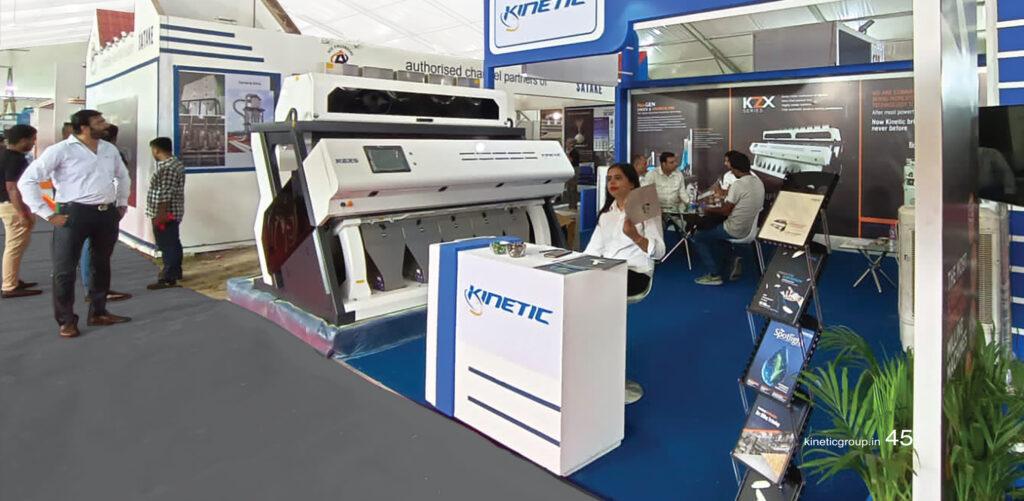
2. Precision Color Sorting
Advanced color sorting technology accurately detects and removes discolored, broken, immature, or defective grains. This results in:
- Higher acceptance quality
- Reduced rejection of good grains
- Improved market value of final output
Precision sorting significantly lowers manual errors and material loss.
3. Automation and Smart Controls
Automated systems ensure consistent processing by controlling pressure, speed, and temperature. This reduces grain breakage and ensures uniform output across batches.
4. Optimized Milling and Polishing
Modern milling machines are designed to preserve grain structure while achieving desired whiteness and texture. This leads to:
- Higher head rice yield
- Lower by-product waste
- Better visual and cooking quality
Boosting Profits Through Sustainable Technology
Sustainability directly impacts profitability in multiple ways:
- Higher Yield: Better recovery rates mean more sellable rice from the same quantity of paddy.
- Lower Operating Costs: Energy-efficient machines reduce electricity consumption and maintenance expenses.
- Improved Market Pricing: Consistent quality and cleaner output command better prices in domestic and export markets.
- Reduced Manpower Dependency: Automation cuts labor costs and minimizes human error.
Over time, these benefits result in faster return on investment and stronger business growth.
Environmental Benefits of Modern Rice Milling
Beyond profits, sustainable milling practices also contribute to:
- Reduced carbon footprint
- Lower energy and water consumption
- Efficient use of raw materials
- Responsible waste management
These practices help rice millers align with global sustainability standards and build a more future-ready operation.
The Future of Rice Milling
The future of grain processing lies in smart, efficient, and eco-friendly technology. Rice millers who invest in modern machinery today will be better positioned to meet market demands, comply with sustainability expectations, and maintain long-term profitability.
Sustainable grain processing is not just an upgrade—it’s a strategic move toward efficiency, quality, and responsible growth.
Conclusion
Modern rice milling technology proves that sustainability and profitability go hand in hand. By reducing waste, improving efficiency, and delivering consistent quality, advanced grain processing solutions empower rice millers to grow their businesses while protecting valuable resources.