The Future of Grain Milling: Innovations and Trends to Watch
The grain milling industry is undergoing a transformation driven by technological innovation, sustainability goals, and changing consumer demands. From smart automation to eco-friendly processes, the future of grain milling is not only more efficient but also more aligned with global trends in food safety, quality, and traceability. Here’s a look at the top innovations and trends reshaping the future of this essential industry.
1. Automation and Smart Milling Technologies
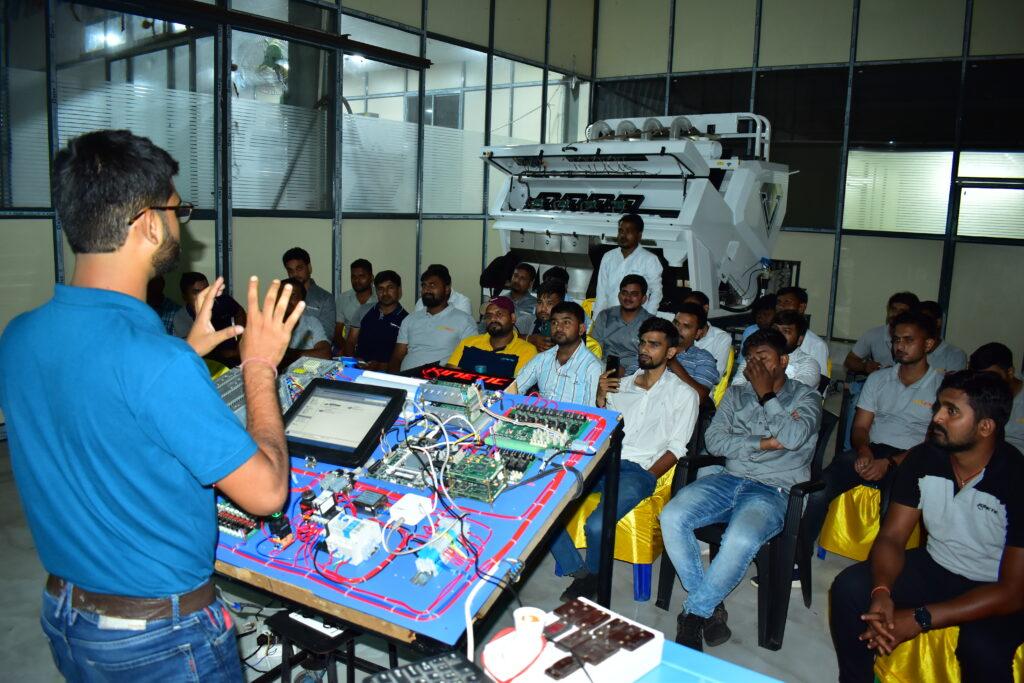
Modern grain mills are rapidly adopting automation to reduce manual labor, minimize human error, and increase throughput. Integrated PLC systems, real-time monitoring, and AI-powered machinery are enabling predictive maintenance, optimal resource utilization, and consistent product quality. Smart milling allows operations to run with greater precision and less downtime.
2. AI and Machine Learning in Quality Control
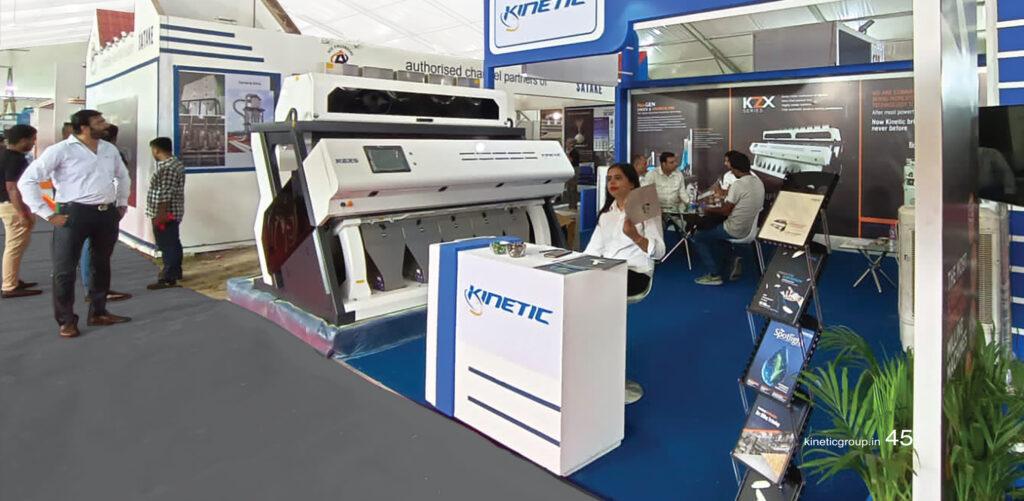
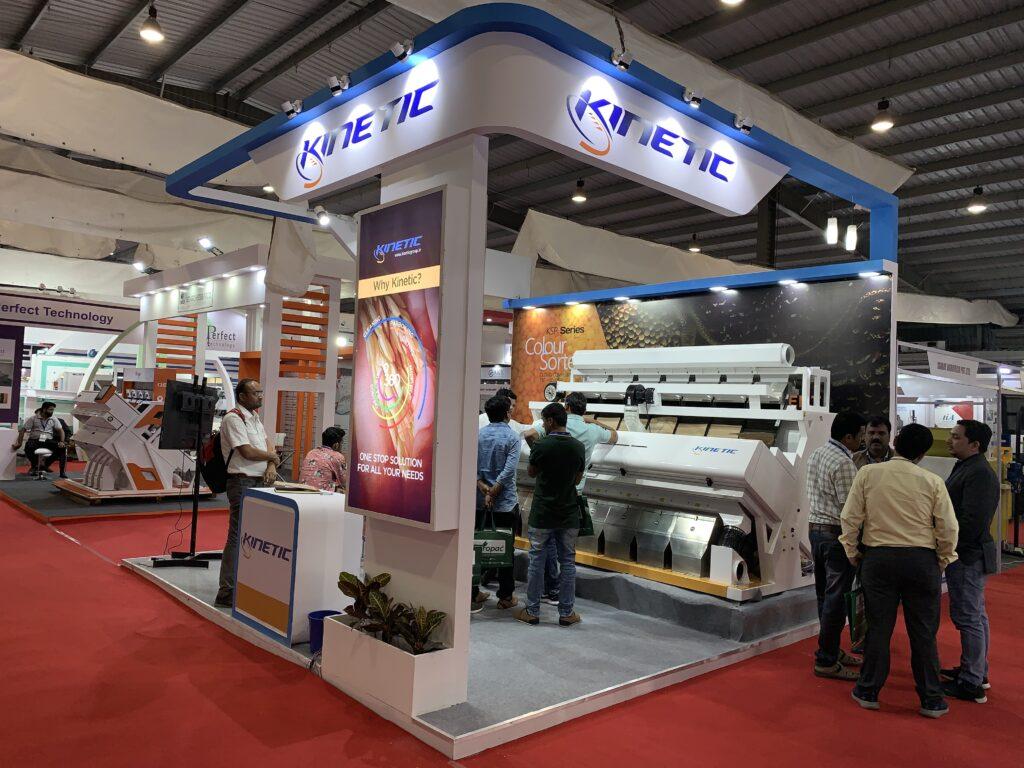
Artificial Intelligence and Machine Learning are taking quality control to the next level. Optical sensors and smart sorters now use AI to detect impurities, categorize grain sizes, and even assess moisture levels instantly. This ensures uniform quality and reduces material wastage—a key concern in large-scale milling.
3. Sustainable and Energy-Efficient Solutions
Sustainability is a major focus area. Energy-efficient motors, solar-powered plants, and zero-waste practices are increasingly being adopted. New milling systems also emphasize water conservation and minimal emissions, helping companies meet global ESG (Environmental, Social, and Governance) standards.
4. Traceability and Food Safety Compliance
Consumers are demanding more transparency in how their food is produced. Modern grain mills are integrating blockchain-based systems and IoT sensors to track grains from farm to shelf. This not only boosts food safety but also meets compliance requirements of international food safety regulations.
5. Flexible and Modular Plant Designs
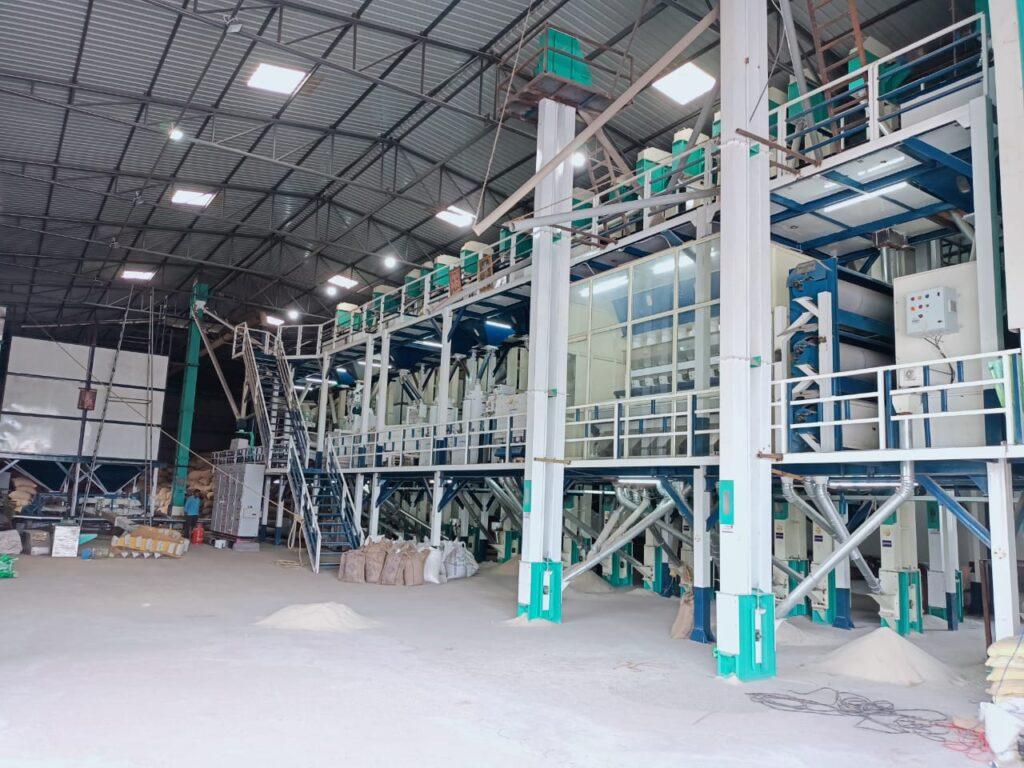
Grain milling facilities are moving away from rigid structures toward modular plant layouts that can adapt to future upgrades. This makes it easier to expand capacity or integrate new technologies without overhauling entire systems.
6. Digital Twins and Predictive Analytics
The use of digital twins—virtual replicas of physical milling plants—allows operators to simulate scenarios, forecast equipment failures, and optimize operations before making physical changes. Paired with predictive analytics, this technology enhances productivity and reduces maintenance costs.
7. The Future of Grain Milling
The future of grain milling lies in creating an interconnected ecosystem where technology, sustainability, and efficiency work hand in hand. Smart sensors, AI, and automation will continue to drive precision, while sustainable practices like renewable energy integration and zero-waste processes will become industry norms. Additionally, customer-centric innovations—such as customizable grain blends and real-time supply chain transparency—will redefine how grain products are processed and delivered. The grain mill of the future will not just produce flour—it will deliver trust, traceability, and technological excellence.
Conclusion
The future of grain milling lies in intelligent, sustainable, and highly adaptable systems that meet the demands of a fast-evolving food industry. Embracing these innovations is no longer optional—it’s essential for growth and competitiveness.
Kinetic Group is leading this transformation by delivering cutting-edge grain processing solutions designed for tomorrow’s challenges. With a legacy of innovation and customer-centric design, Kinetic Group empowers mills to operate smarter, cleaner, and more profitably.