Traditional vs Modern Rice Milling
Rice milling is a vital step in delivering high-quality rice to the market. Over the years, the rice milling industry has evolved significantly, transitioning from traditional, labor-intensive methods to advanced, technology-driven machinery. Understanding the differences between traditional and modern rice milling machines can help millers make informed decisions to boost efficiency, reduce waste, and ensure premium grain quality.
Traditional Rice Milling Machines
Traditional rice milling methods rely heavily on manual labor and simple mechanical devices. Common features include hand-operated or basic motorized hullers and polishers. While these machines have served communities for decades, they have several limitations:
- Lower Efficiency: Traditional machines process smaller volumes of rice, making them unsuitable for large-scale operations.
- Higher Grain Breakage: Older milling methods often result in significant broken grains, reducing yield and overall profitability.
- Inconsistent Quality: Manual adjustments and limited control over processing parameters lead to uneven polishing and varying grain appearance.
- Labor-Intensive: These machines require constant monitoring and human intervention, increasing operational costs.
- Limited Automation: Most traditional setups lack automation, digital controls, or energy-efficient features.
Despite these drawbacks, traditional machines may still be suitable for small-scale mills or rural setups where investment in modern machinery is challenging.
Modern Rice Milling Machines
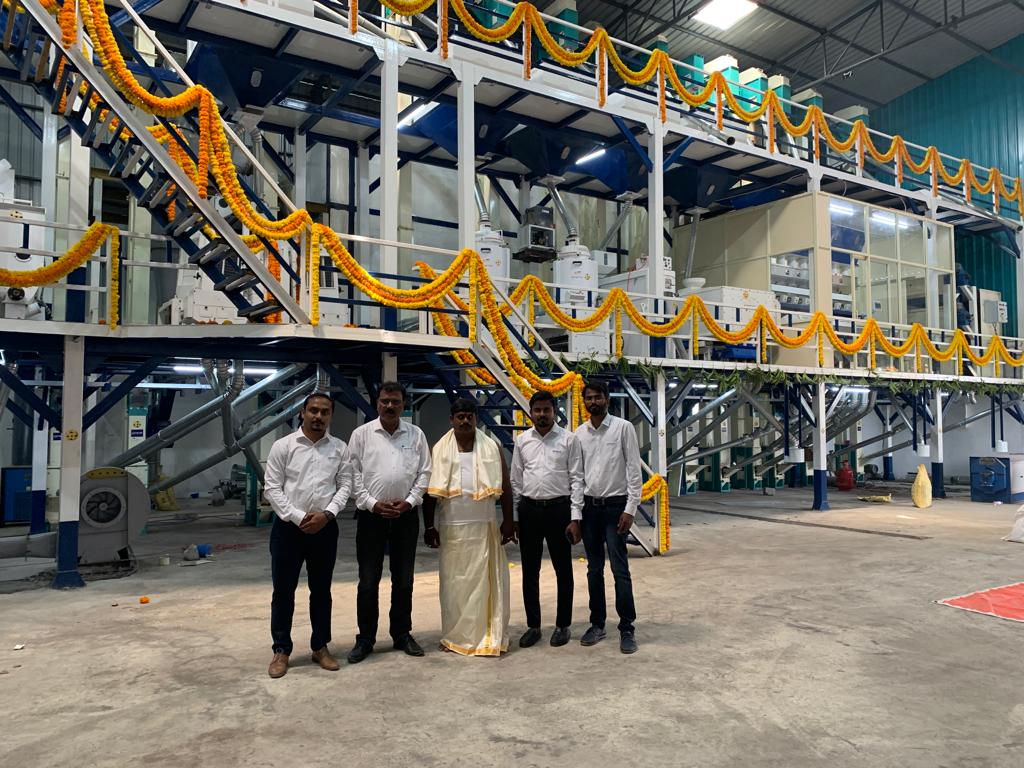
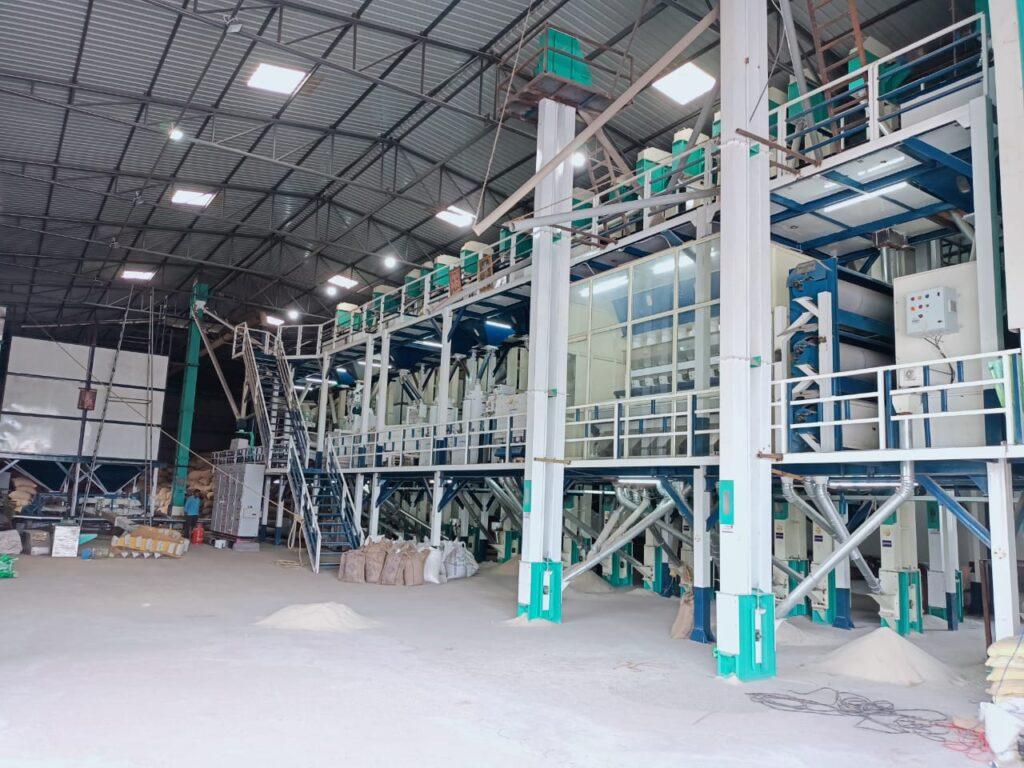
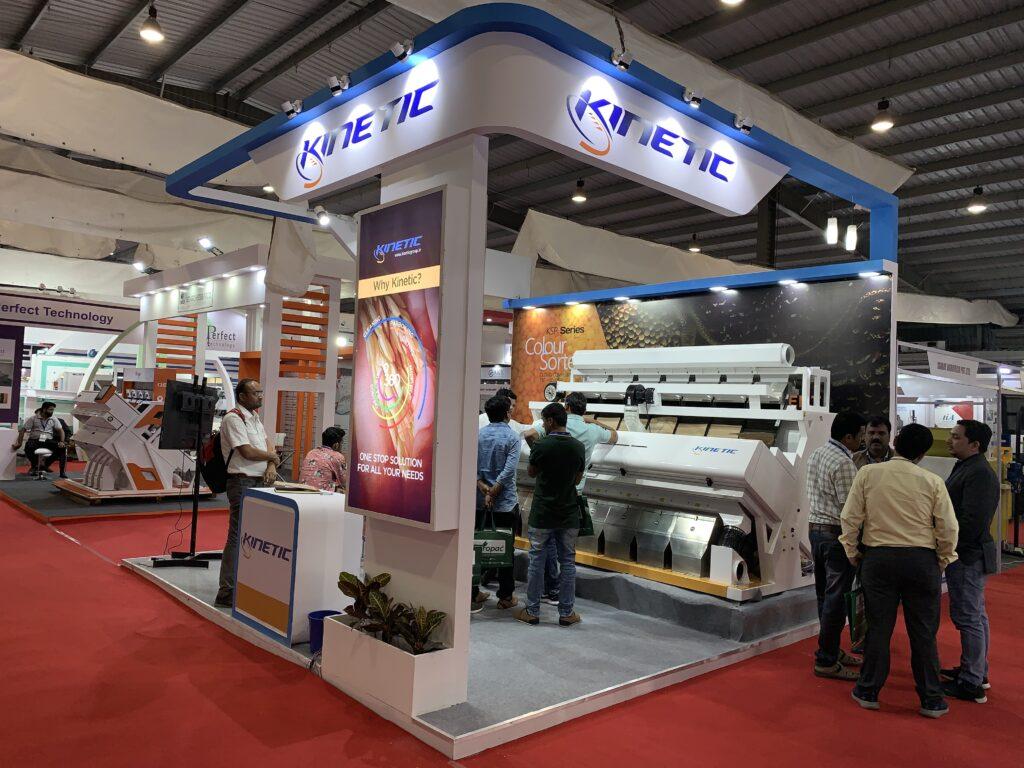
Modern rice milling machines, such as the K-ABHI Rice Polisher from Kinetic Group, are designed to overcome the limitations of traditional methods. They integrate advanced technology, automation, and precise control to deliver superior results. Key advantages include:
- Higher Efficiency: Modern machines can process large volumes quickly, enabling millers to meet growing market demands.
- Superior Grain Quality: Digital controls and advanced polishing techniques produce consistent, glossy rice with minimal breakage.
- Energy Efficiency: Many modern machines are designed to consume less power while maintaining peak performance, reducing operational costs.
- Automation and Ease of Use: Automated functions and intuitive controls reduce the need for constant supervision, saving labor and time.
- Durability and Low Maintenance: Built with high-quality materials, modern machines require less frequent maintenance and have a longer lifespan.
Key Considerations for Millers
When deciding between traditional and modern rice milling machines, millers should consider:
- Scale of Operation: Large commercial mills benefit significantly from modern machines due to higher capacity and efficiency.
- Investment vs. Return: Modern machines may require higher initial investment but offer better yield, quality, and long-term savings.
- Labor Availability: Modern machines reduce reliance on manual labor, making them ideal for mills with limited workforce.
- Product Quality Goals: Consistent, premium-grade rice is easier to achieve with advanced milling technology.
- Maintenance and Durability: Modern machines often have lower maintenance requirements and longer service life.
Conclusion
While traditional rice milling machines have served generations, modern rice milling machinery provides unmatched efficiency, superior grain quality, and operational convenience. Investing in advanced solutions like the K-ABHI Rice Polisher from Kinetic Group empowers millers to stay competitive, reduce wastage, and meet the evolving demands of the rice market.