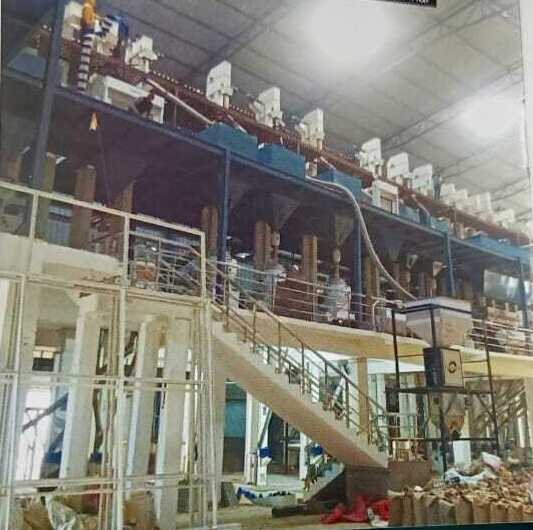

Best Time to Start Rice Milling
Setting up a rice mill is a lucrative business opportunity, especially in rice-producing regions of India. With the growing demand for polished rice in both domestic and international markets, investing in a rice mill can provide sustainable returns. However, success depends not just on investment and machinery but also on choosing the ideal time to set up the mill. Timing affects raw material availability, production efficiency, and market demand, all of which directly impact profitability.
In this article, we’ll explore the key factors to consider when deciding the best time to start a rice milling business.
1. Understanding the Rice Harvest Seasons
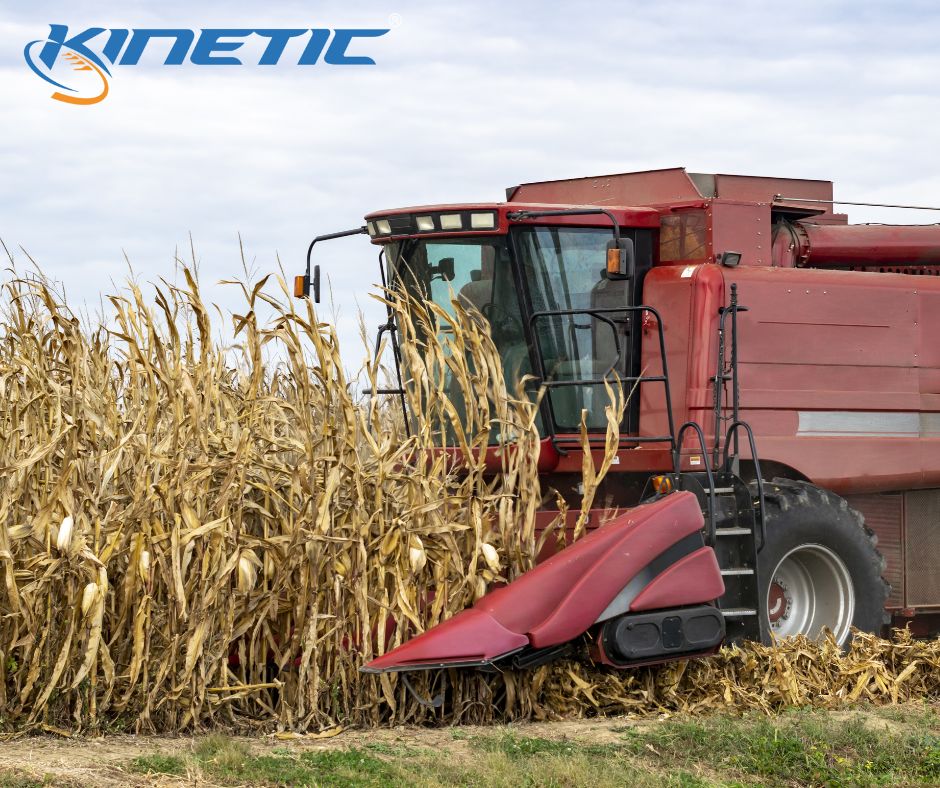
The timing of your rice mill operations should align with the local rice harvest seasons. India primarily has two major rice-growing seasons:
a) Kharif Season (June to October)
- This is the main rice cultivation season in most parts of India.
- Paddy is harvested during this period, providing abundant raw material for rice mills.
- Setting up a rice mill before or during the early part of this season ensures uninterrupted production and access to fresh paddy at lower prices.
b) Rabi Season (November to April)
- Some regions grow rice during the Rabi season.
- If your target region has Rabi harvests, align your mill setup accordingly to take advantage of seasonal paddy supply.
Tip: Conduct local research to understand which season provides maximum paddy availability in your region.
2. Ensuring a Steady Paddy Supply
A rice mill’s success relies heavily on the continuous availability of raw paddy. Before starting operations, make sure you have access to reliable suppliers:
- Build relationships with local farmers and farmer cooperatives.
- Negotiate contracts or agreements to secure paddy supply throughout the milling season.
- Consider multiple sources to avoid shortages during peak demand periods.
A steady supply not only ensures smooth operations but also allows you to plan marketing and sales strategies more effectively.
3. Analyzing Market Demand
Timing is also crucial from a market perspective. Post-harvest periods often coincide with increased demand for processed rice due to festivals, weddings, and export opportunities. By aligning your mill operations with high-demand periods, you can:
- Maximize revenue
- Reduce storage costs for paddy and finished rice
- Achieve faster return on investment
Key Considerations:
- Study local consumption patterns and export demand
- Understand the preferences for polished rice varieties in your target market
4. Financial and Regulatory Readiness
Starting a rice mill requires a significant financial and legal groundwork:
- Ensure adequate capital for machinery, installation, labor, and working capital.
- Acquire all licenses and permits before the harvest season to avoid operational delays.
- Arrange for bank loans or funding options in advance if needed.
Proper financial planning ensures that you can begin operations seamlessly during the peak rice season.
5. Considering Climatic Conditions
Rice milling machinery is sensitive to weather conditions:
- High moisture levels can damage machinery and reduce production efficiency.
- Milling operations are smoother during dry months when paddy is properly dried.
- Avoid monsoon months or excessively humid conditions for setting up the mill.
Climatic awareness is crucial for protecting your machinery and ensuring consistent rice quality.
6. Workforce Preparation and Training
Even with the best machinery, the efficiency of a rice mill depends on skilled labor:
- Hire and train staff before the harvest season begins.
- Train workers on machine operation, maintenance, and safety protocols.
- A trained workforce reduces downtime and ensures optimal milling efficiency.
Starting operations with a prepared and skilled team can save costs and improve product quality.
7. Additional Tips for Choosing the Ideal Time
- Feasibility Study: Conduct a study to understand the ROI, competition, and operational costs.
- Storage Planning: Ensure you have proper storage for raw paddy and processed rice.
- Maintenance Schedule: Plan machinery installation and maintenance before peak production periods.
- Marketing Preparation: Build marketing strategies ahead of time to capture demand as soon as the first batch is ready.
Conclusion
The ideal time to set up a rice mill is generally just before the main harvest season in your target region. This ensures:
- Access to abundant and reasonably priced paddy
- Alignment with market demand peaks
- Smooth operations without machinery or workforce issues
Careful planning, financial readiness, skilled manpower, and alignment with harvest cycles can make your rice mill venture profitable and sustainable.