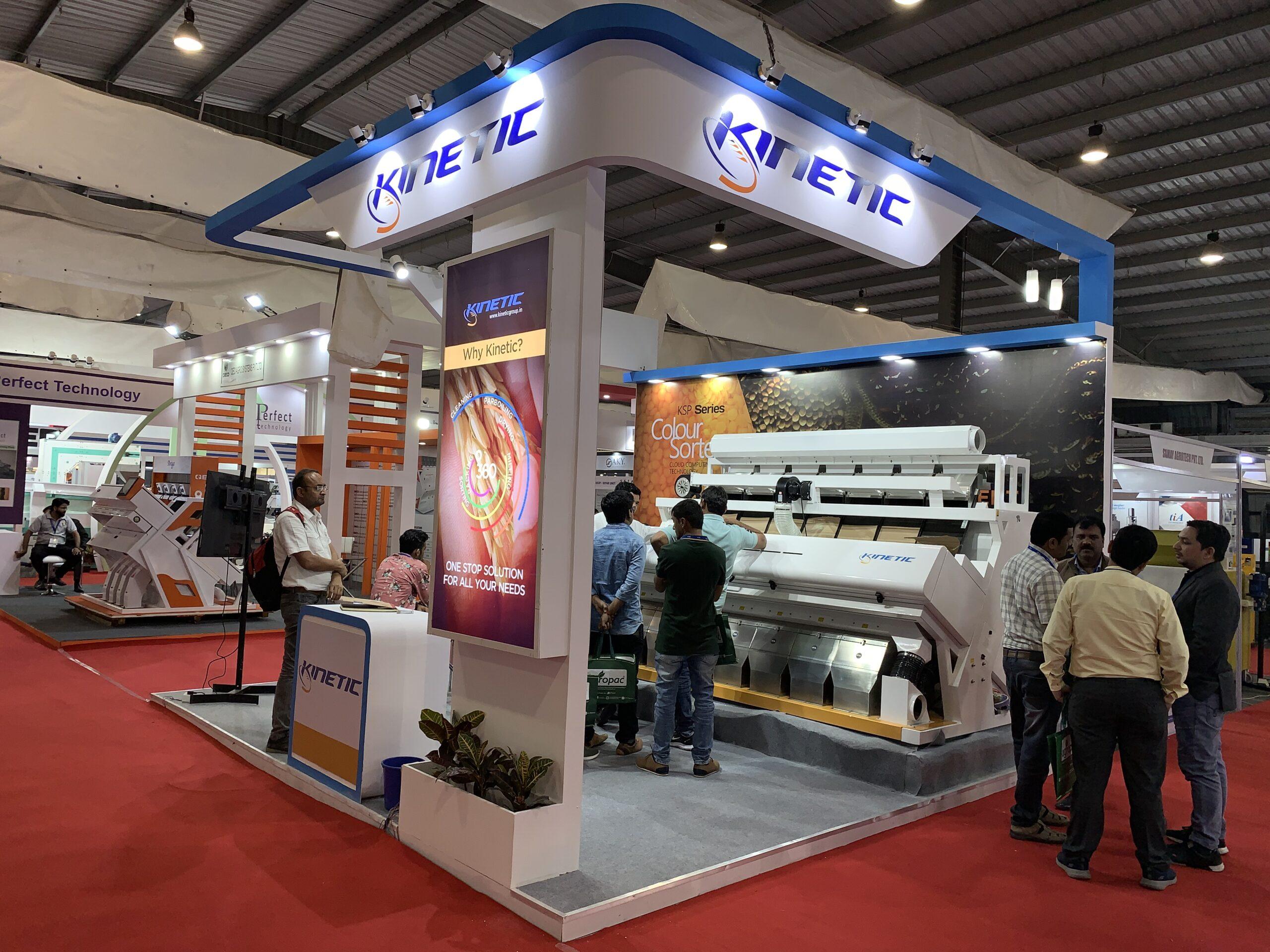
Rice Mill Efficiency and Grain Breakage Reduction
In today’s competitive rice milling industry, maximizing efficiency while minimizing grain breakage is the key to higher profitability and superior product quality. A well-optimized rice mill not only improves yield but also ensures consistent output that meets both domestic and export standards.
At Kinetic Group, efficiency is not just about speed—it’s about precision, smart technology, and process optimization.
Let’s explore how you can enhance your rice mill performance and significantly reduce grain breakage.
1. Invest in Advanced Rice Milling Technology
Modern rice mills rely on high-performance machinery to deliver better results. Traditional systems often lead to higher grain breakage due to uneven pressure and outdated mechanisms.
Advanced machines:
- Ensure uniform processing
- Reduce mechanical stress on grains
- Improve overall milling yield
Kinetic’s advanced machinery is designed to minimize breakage while maximizing output quality, helping millers achieve consistent performance.
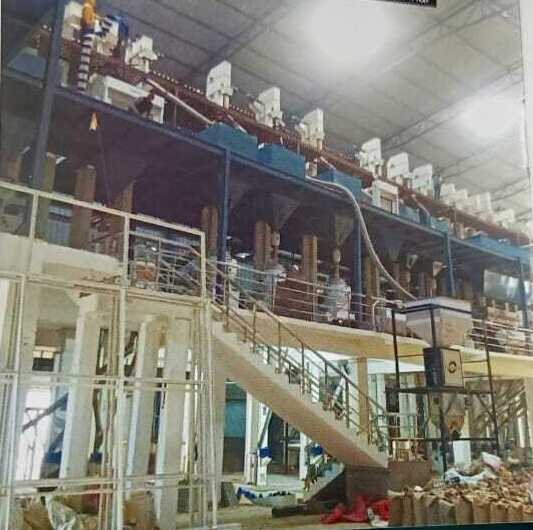
2. Optimize Plant Layout for Smooth Workflow
An inefficient plant layout can create bottlenecks, increase grain handling, and lead to unnecessary breakage.
A well-designed layout:
- Ensures smooth material flow
- Reduces transit time between machines
- Minimizes grain handling damage
Customized plant layouts play a crucial role in boosting efficiency and productivity.
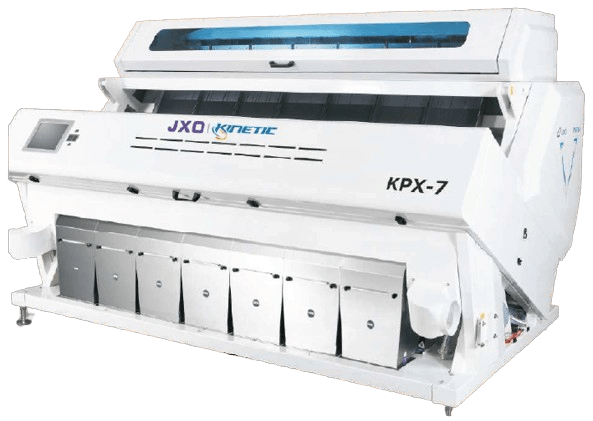
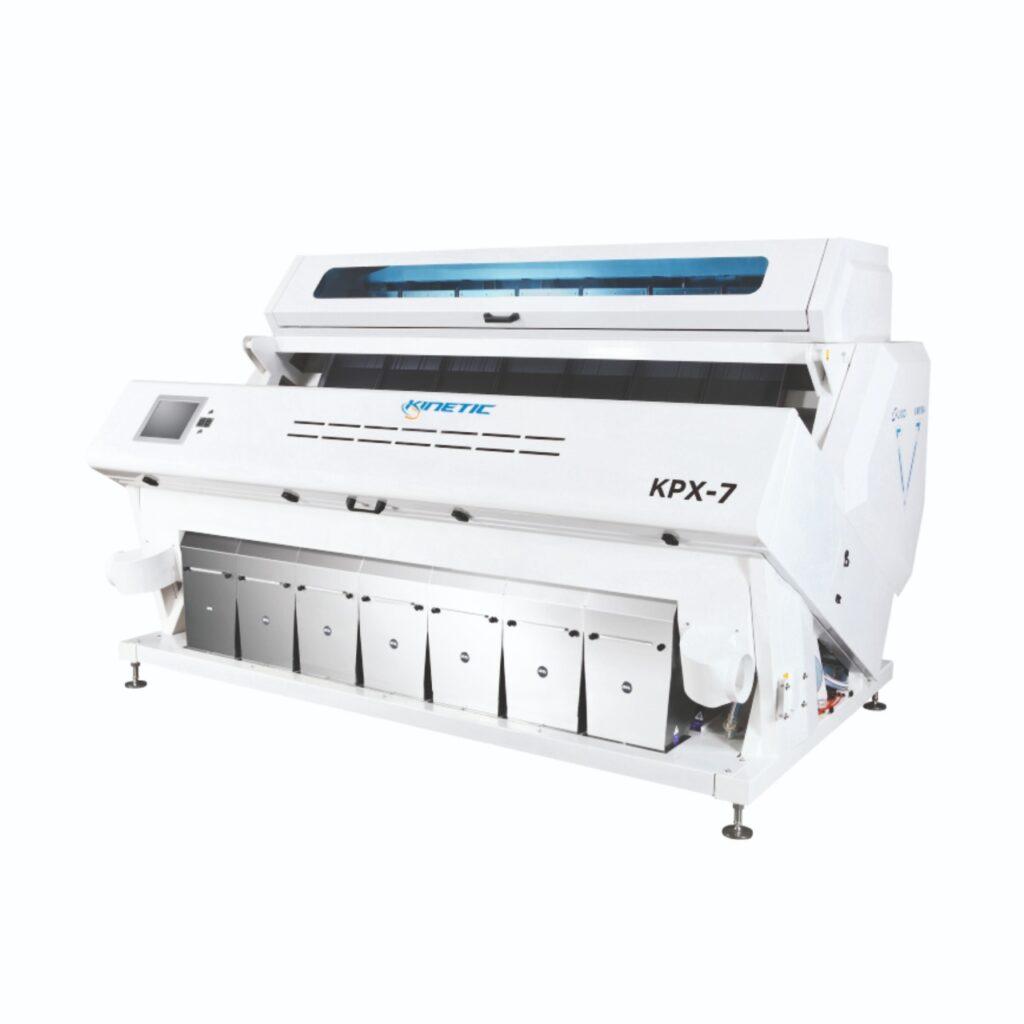
3. Use Precision Color Sorter Technology
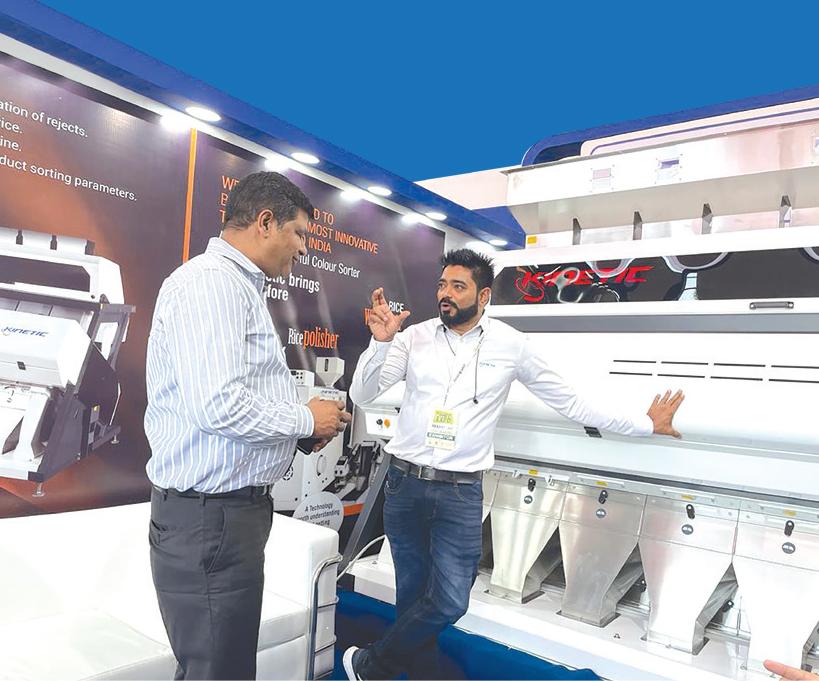
One of the most effective ways to improve quality and reduce losses is by using advanced color sorting systems.
Color sorters:
- Detect and remove defective grains
- Improve uniformity and appearance
- Reduce wastage and increase yield
Modern optical sorting machines use high-resolution sensors and air-jet systems to ensure only the best grains pass through.
This leads to:
- Higher market value
- Better export quality
- Reduced rejection rates
4. Maintain Proper Machine Calibration
Incorrect machine settings are one of the biggest causes of grain breakage.
To avoid this:
- Adjust pressure settings carefully
- Monitor roller and whitener performance
- Regularly calibrate sorting and grading systems
Precision calibration ensures that grains are processed gently without unnecessary stress.
5. Focus on Energy-Efficient Operations
Energy-efficient machines not only reduce costs but also improve operational stability.
Benefits include:
- Smooth and consistent performance
- Reduced overheating and friction
- Lower chances of grain damage
Energy-optimized systems are essential for long-term efficiency and cost control.
6. Train Operators and Ensure Regular Maintenance
Even the best machines require skilled handling.
Key practices:
- Train staff for proper machine operation
- Schedule preventive maintenance
- Replace worn-out parts on time
Well-trained operators can significantly reduce errors, downtime, and grain loss.
7. Implement Real-Time Quality Monitoring
Modern rice mills are moving towards automation and smart monitoring systems.
With real-time monitoring:
- Quality is maintained at every stage
- Errors are detected early
- Consistency improves across batches
Automation reduces human error and ensures precision-driven milling.
8. Reduce Manual Handling
Excessive manual handling increases the risk of:
- Grain breakage
- Contamination
- Inconsistent quality
Automated systems help:
- Improve accuracy
- Reduce labor dependency
- Increase overall productivity
Final Thoughts
Increasing rice mill efficiency and reducing grain breakage is not about a single upgrade—it’s about a holistic approach that includes technology, design, training, and process optimization.
With advanced machinery, smart automation, and precision engineering, Kinetic Group empowers rice millers to:
- Achieve higher yield
- Reduce operational losses
- Deliver premium-quality rice
- Maximize profitability