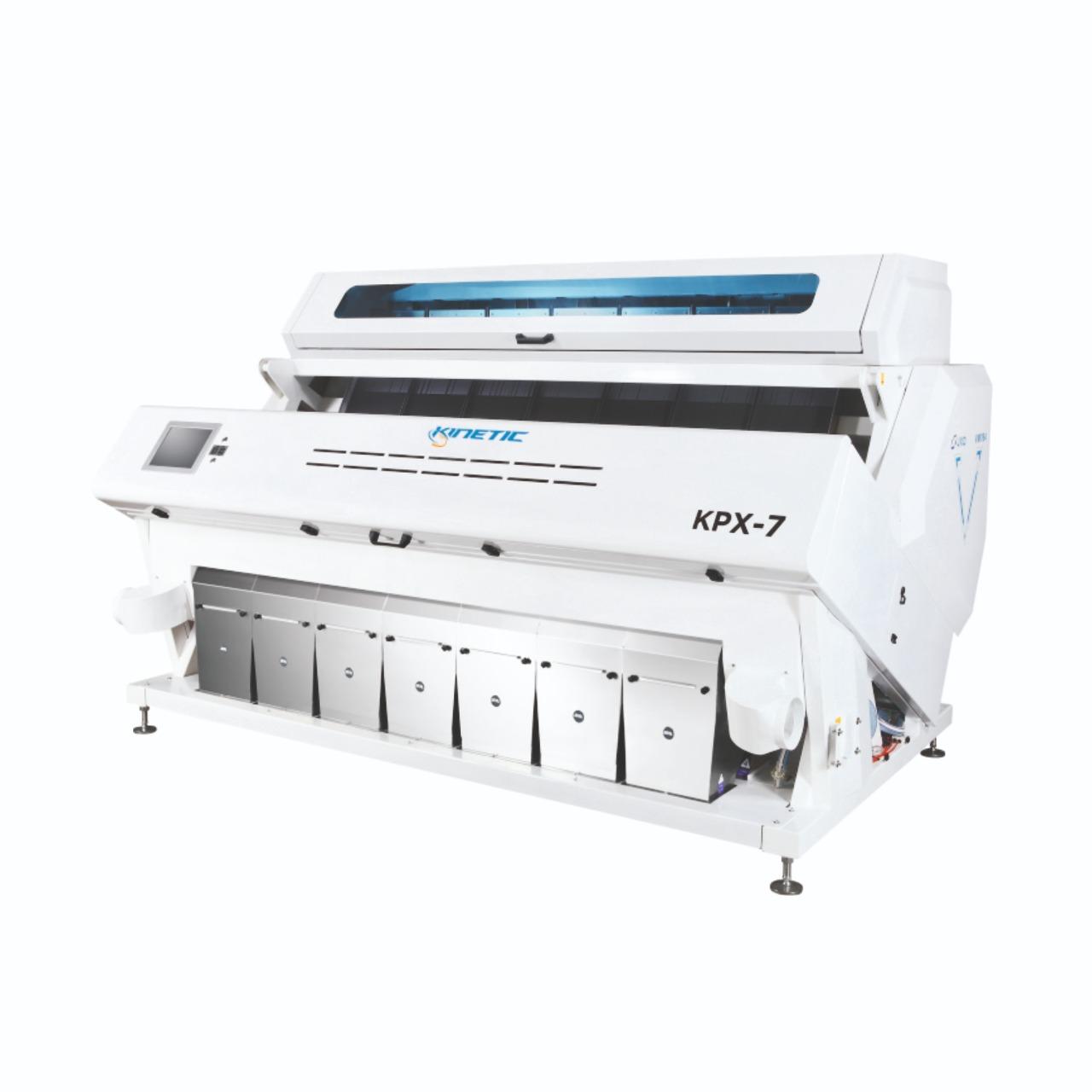
Color Sorter Machine Buying Guide
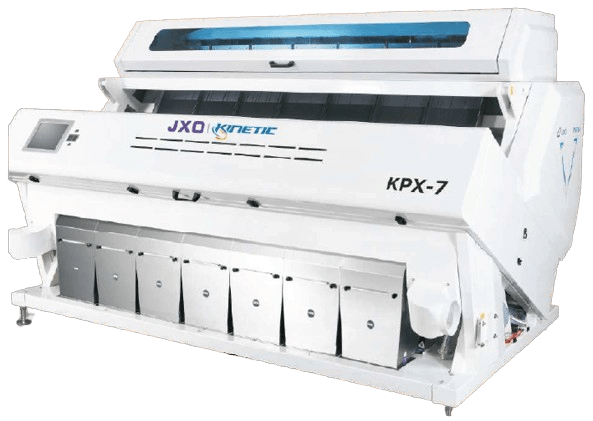
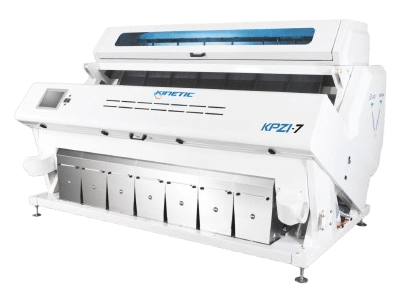
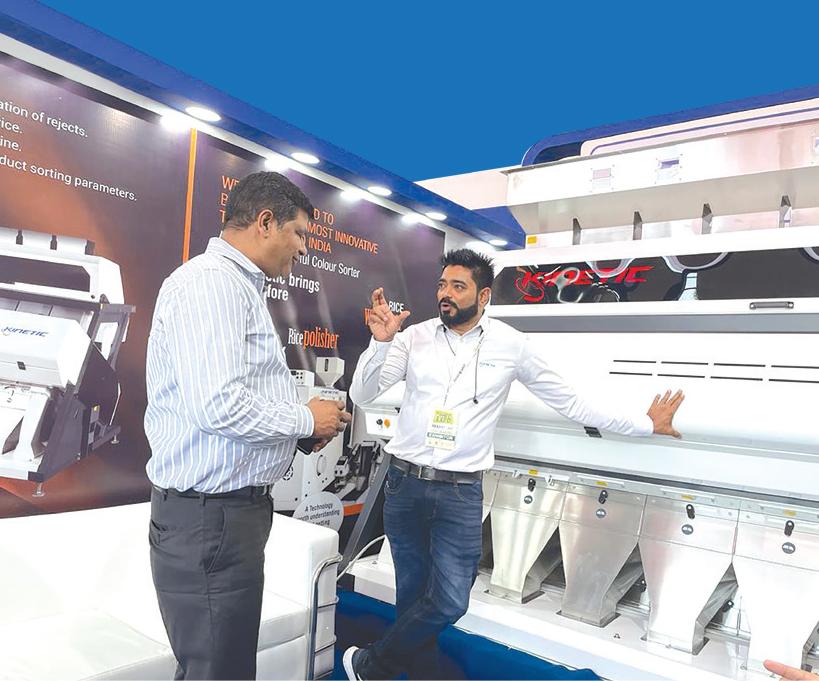
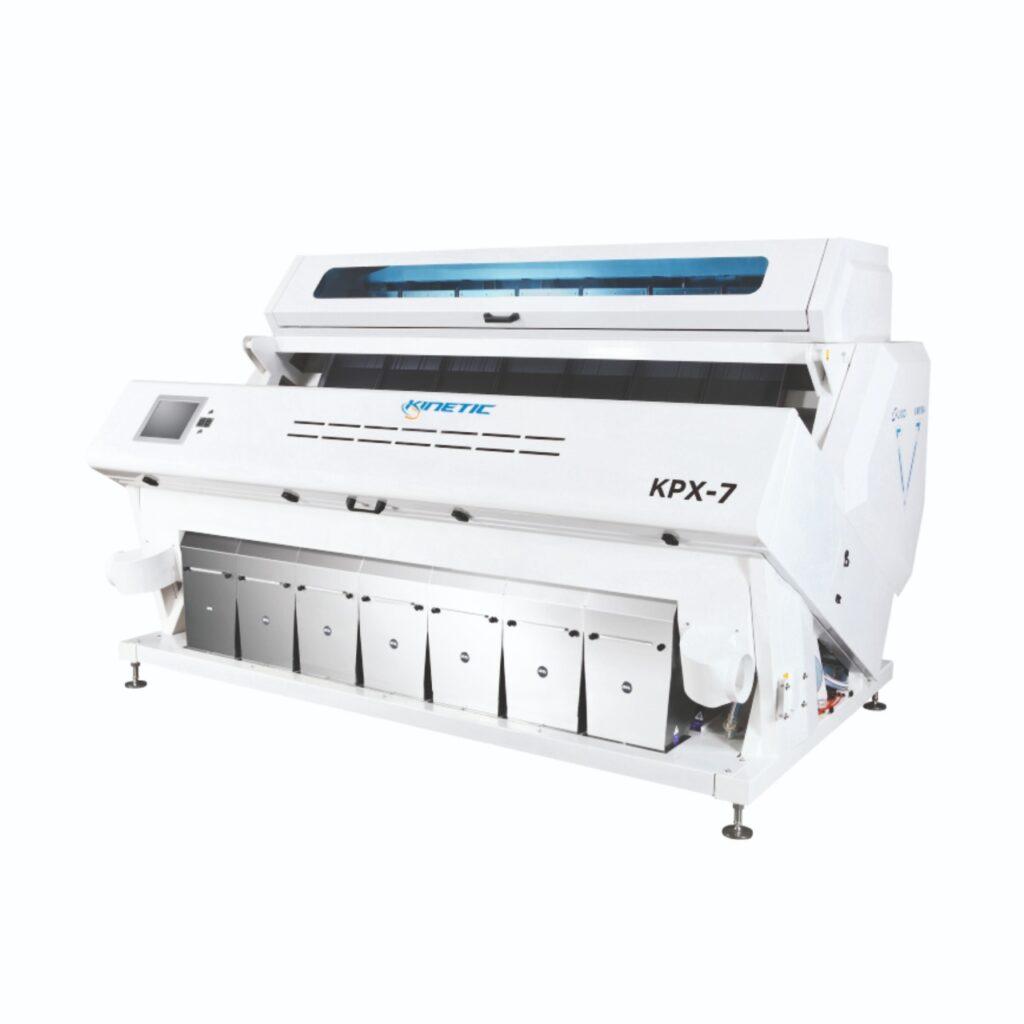
In today’s competitive rice milling industry, quality is everything. A color sorter machine plays a crucial role in ensuring premium-grade rice by removing defective grains and impurities. These machines use advanced optical sensors to detect color differences and separate unwanted materials automatically.
However, choosing the right color sorter is not just about price—it is about performance, reliability, and long-term profitability. This checklist will help you make the right investment decision.
1. Understand Your Milling Requirement
Before purchasing a color sorter, clearly define:
- Type of grain (rice, pulses, wheat, etc.)
- Production capacity (TPH – tons per hour)
- Type of processing (raw rice, parboiled, basmati, etc.)
A machine that matches your capacity ensures better efficiency and avoids underperformance or unnecessary cost.
2. Check Sensor and Camera Technology
The heart of a color sorter is its sensor system.
Look for:
- High-resolution CCD/CMOS cameras
- Advanced RGB or multi-spectrum detection
- Ability to detect minor defects (chalky, black, broken grains)
Modern machines use advanced imaging technology to ensure higher grain purity and accuracy.
3. Sorting Accuracy and Rejection Rate
A good color sorter should:
- Remove maximum defective grains
- Maintain minimum good grain loss
- Offer consistent sorting accuracy
Higher accuracy leads to better rice quality and a higher market price.
4. Capacity and Throughput
Choose a machine based on:
- Daily production volume
- Future expansion plans
Machines come in different channel sizes (64, 128, 256, etc.), which directly affect sorting capacity.
It is always better to select a slightly higher capacity for future scalability.
5. Automation and Ease of Use
Modern color sorters should include:
- User-friendly interface
- Automatic calibration
- Preset sorting programs
Automation reduces manual errors and improves operational efficiency.
6. Air System and Power Consumption
Color sorters use compressed air to eject defective grains.
Check:
- Air consumption rate
- Compressor compatibility
- Power efficiency
Energy-efficient machines help reduce long-term operational costs.
7. Versatility (Multi-Commodity Use)
A smart investment is a machine that can handle:
- Rice
- Pulses
- Grains
- Seeds
Multi-purpose machines increase return on investment and business flexibility.
8. After-Sales Service and Support
This is one of the most important factors.
Ensure:
- Strong service network
- Quick spare parts availability
- Training and technical support
A machine is only as good as the support behind it.
9. Build Quality and Durability
Look for:
- Robust machine structure
- High-quality components
- Proven brand reputation
A reliable manufacturer ensures long-term durability and consistent performance.
10. ROI and Cost vs Benefit Analysis
Do not focus only on price—focus on overall value.
Consider:
- Reduction in labor cost
- Increase in yield
- Improved market price of rice
A high-quality color sorter can quickly recover its cost through better output and profitability.
Final Thoughts
A color sorter machine is not just a purchase; it is a long-term investment in your rice mill’s growth. The right machine can improve quality, reduce waste, and significantly boost profitability.
By following this checklist, you can make an informed decision and choose a solution that aligns with your business goals.