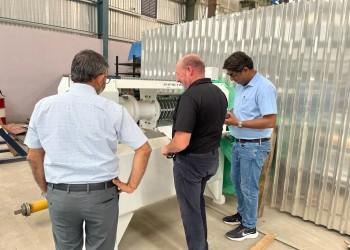
Automation in Rice Milling Plants in India
India is one of the largest producers and consumers of rice, making efficient rice processing a critical part of the agricultural value chain. As demand for high-quality rice increases, traditional milling methods are no longer sufficient to meet modern expectations.
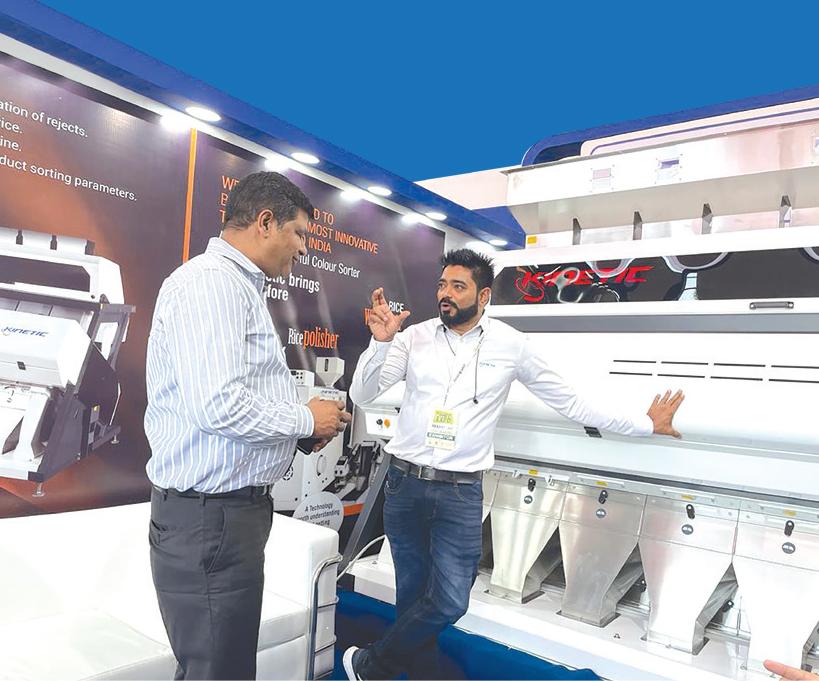
Automation is transforming rice milling plants across India—bringing higher efficiency, better quality, and improved profitability. Companies like Kinetic Group are leading this transformation by delivering advanced, automated milling solutions designed for modern needs.
What is Automated Rice Milling?
Automated rice milling refers to the use of advanced machinery and integrated systems to perform the entire milling process with minimal human intervention.
From cleaning and dehusking to polishing and grading, every stage is connected and optimized using smart technologies. These systems ensure consistent output and reduce manual errors.
Why Automation is Essential in Modern Rice Mills
1. Increased Efficiency and Output
Automation allows continuous processing without interruptions. Integrated machines work seamlessly, significantly increasing production capacity.
Modern milling systems can handle large volumes of paddy while maintaining consistent performance throughout the process.
2. Improved Rice Quality
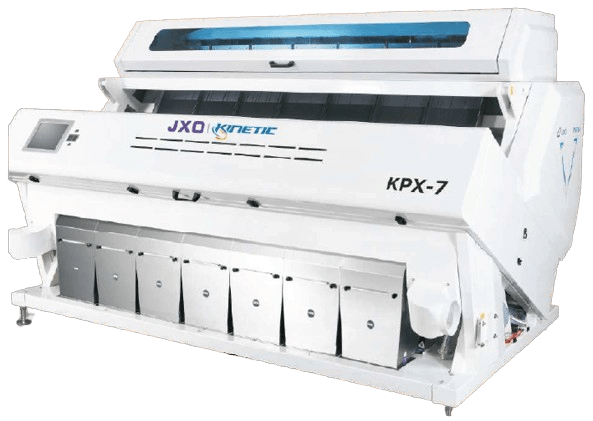
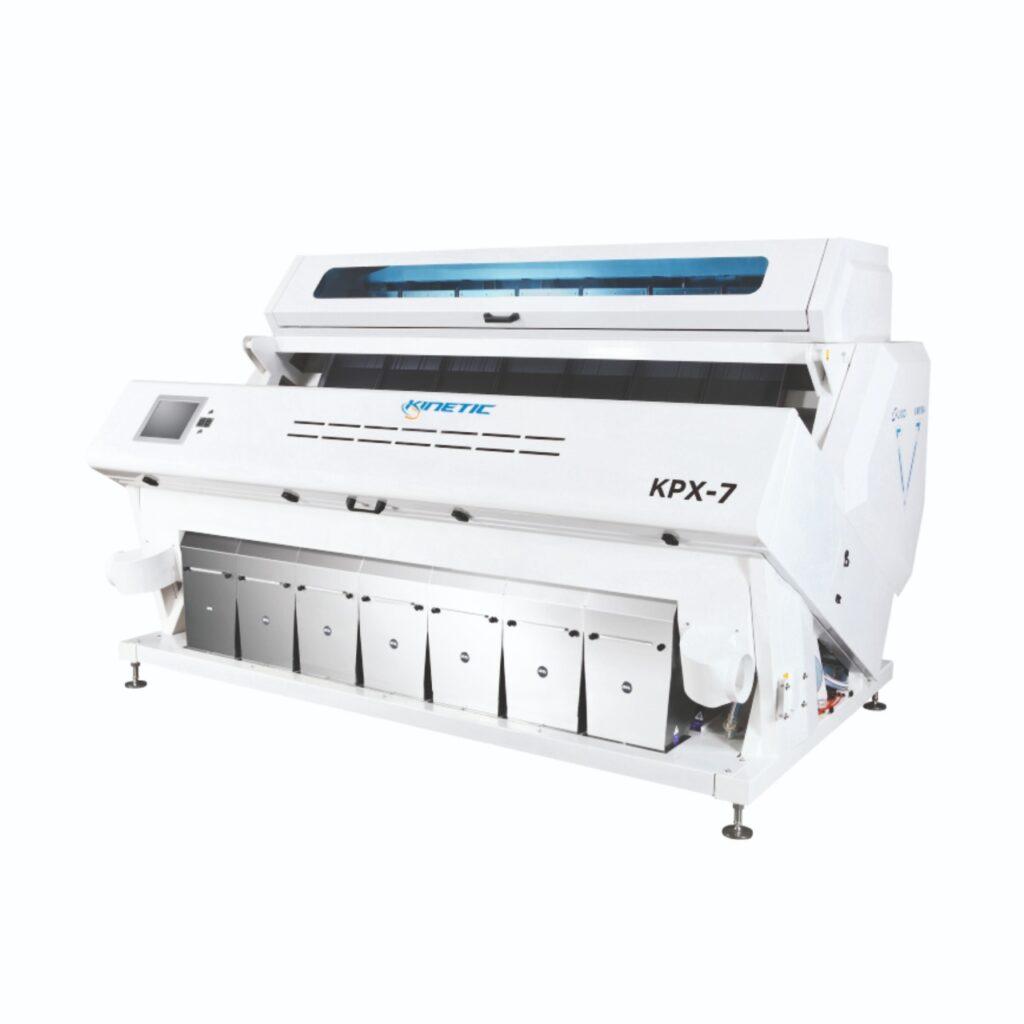
Advanced technologies like color sorters and precision graders help remove impurities and defective grains.
Automated systems ensure uniform polishing and grading, resulting in high-quality rice that meets market standards.
3. Reduced Wastage
Automation minimizes grain breakage and optimizes every stage of the milling process.
This leads to higher yield and better profitability for mill owners.
4. Lower Labor Dependency
Traditional rice mills require significant manual labor, which can lead to inconsistencies and higher operational costs.
Automated plants reduce dependency on labor while improving accuracy and reliability.
5. Cost-Effective in the Long Run
Although the initial investment may be higher, automated systems reduce long-term costs by:
- Lowering operational expenses
- Reducing wastage
- Increasing output
This results in better return on investment over time.
Key Technologies Driving Automation
Modern rice milling plants use a combination of advanced technologies, including:
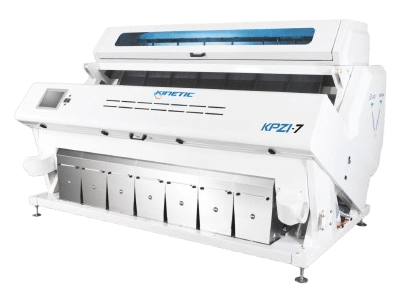
- Color Sorters: Detect and remove defective grains using optical technology
- Destoners & Cleaners: Remove impurities efficiently
- Automated Paddy Separators: Ensure precise grain separation
- Digital Control Systems: Monitor and optimize performance
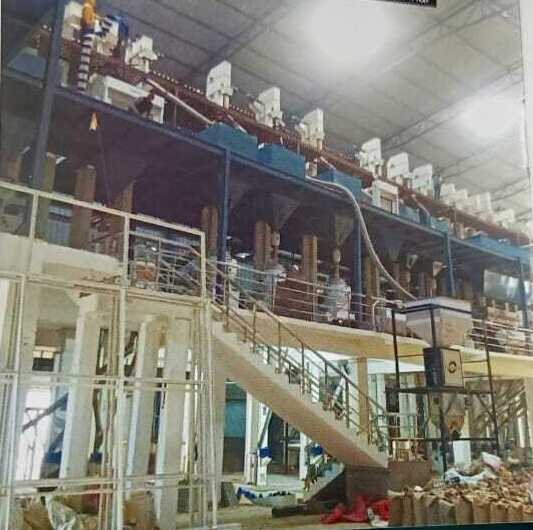
These technologies work together to create a fully integrated and efficient milling process.
Traditional vs Automated Rice Milling
| Factor | Traditional Milling | Automated Milling |
|---|---|---|
| Efficiency | Low | High |
| Labor Requirement | High | Low |
| Rice Quality | Inconsistent | Uniform & Premium |
| Wastage | Higher | Minimal |
| Scalability | Limited | Easily Scalable |
Automation clearly provides a competitive advantage in today’s market.
Challenges in Adopting Automation
While automation offers many benefits, there are some challenges:
- Higher initial investment
- Need for technical expertise
- Training requirements for staff
However, with the right partner, these challenges can be effectively managed.
How Kinetic Group is Driving Automation in India
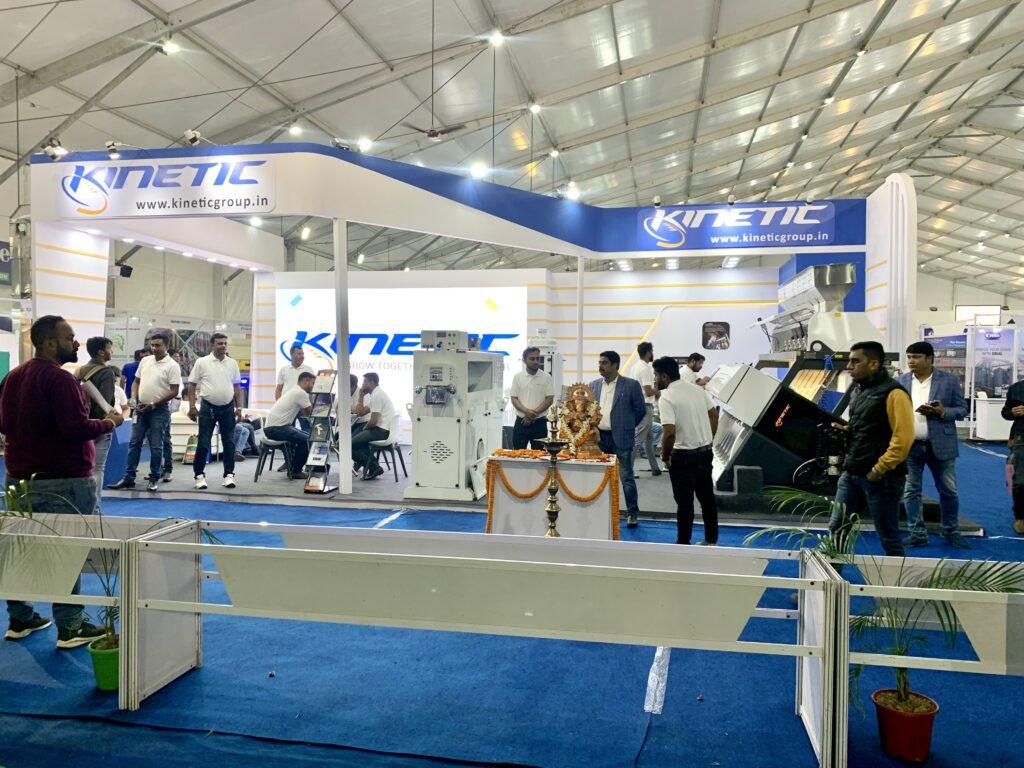
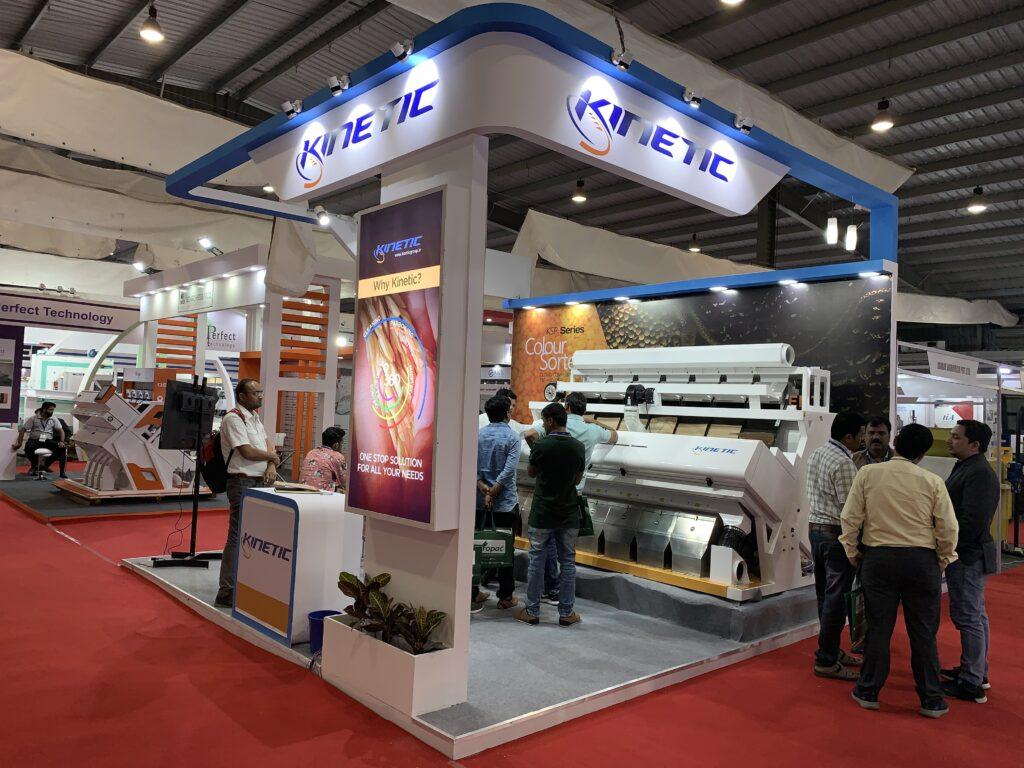
Kinetic Group is at the forefront of modernizing the rice milling industry in India.
With a strong focus on innovation and engineering excellence, the company provides:
- Fully integrated rice milling plants
- Intelligent processing lines
- Customized turnkey solutions
- Reliable installation and after-sales support
Their advanced systems combine multiple processes into a seamless workflow, helping millers achieve higher efficiency and consistent quality.
The Future of Rice Milling in India
The future of rice milling lies in smart, automated, and sustainable solutions.
With the integration of AI, IoT, and data-driven systems, rice mills are becoming more intelligent and efficient. Automation will continue to play a key role in improving productivity and meeting global quality standards.
Conclusion
Automation is no longer an option—it is a necessity for modern rice milling plants in India.
By adopting automated systems, mill owners can enhance efficiency, reduce costs, and deliver superior quality rice to the market.
If you are planning to upgrade or set up a new rice milling plant, investing in automation is the smartest decision for long-term success.
For reliable and advanced rice milling solutions, connect with Kinetic Group and take your operations to the next level.