Scale Rice Mill from 2TPH to 8TPH
In today’s competitive rice milling industry, small mill owners often face a critical challenge—how to increase production capacity without exposing themselves to high financial risk. Moving from a 2TPH (tons per hour) setup to an 8TPH operation may seem like a big leap, but with the right strategy, technology, and partner, it can be a smooth and profitable transition.
This guide explores how millers can scale efficiently while maintaining quality, controlling costs, and minimizing operational risks.
Understanding the Need for Scaling
As market demand for high-quality rice continues to grow, small mills operating at lower capacities often struggle to keep up. Limited production not only restricts revenue but also reduces competitiveness in both local and bulk markets.
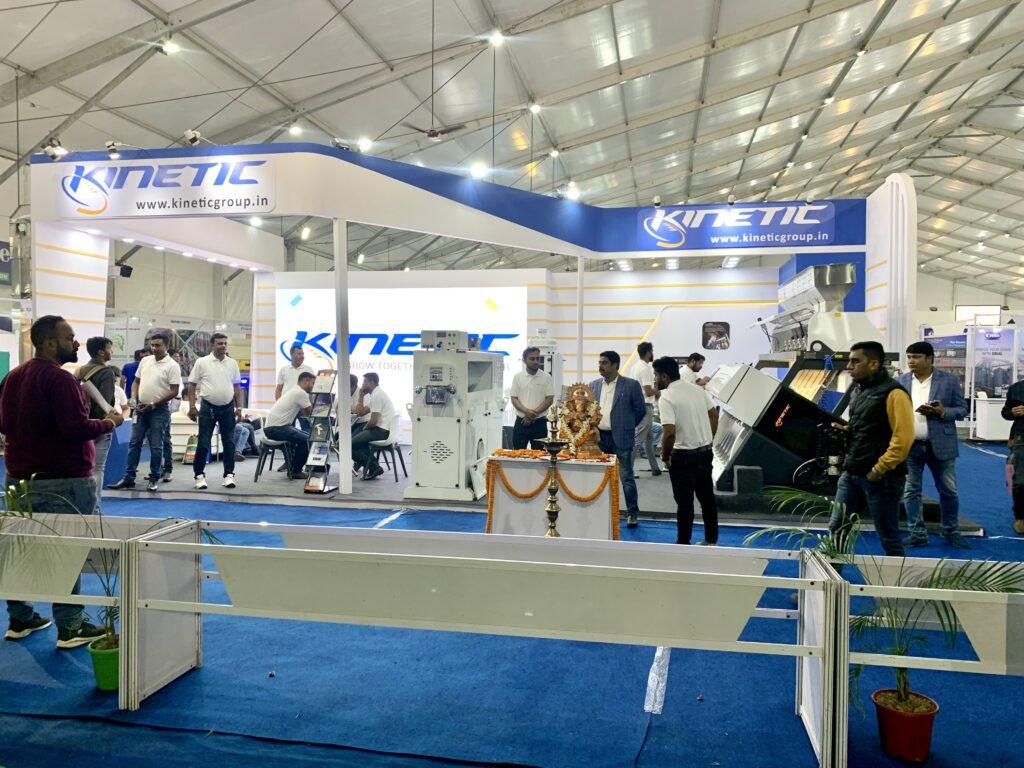
Modern milling solutions are designed to address these gaps by offering improved efficiency, reduced wastage, and consistent output quality. Companies like Kinetic Group provide integrated systems that allow millers to expand gradually without disrupting existing operations.
Identify the Right Time to Upgrade
Scaling should not be rushed. Instead, mill owners should evaluate specific indicators before upgrading:
- Frequent machine breakdowns affecting productivity
- Increasing demand that current capacity cannot fulfill
- Higher percentage of broken or low-quality rice
- Rising labor costs due to manual processes
Recognizing these signs early helps in planning a structured upgrade instead of making reactive investments.
Adopt a Modular Expansion Approach
One of the most effective ways to scale from 2TPH to 8TPH is through modular expansion. Instead of replacing the entire plant, millers can upgrade key components step by step.
A typical modern milling line includes:
- Fine cleaners for impurity removal
- Destoners for removing heavy particles
- Paddy separators for efficient grain separation
- Vertical rice whiteners and polishers for quality enhancement
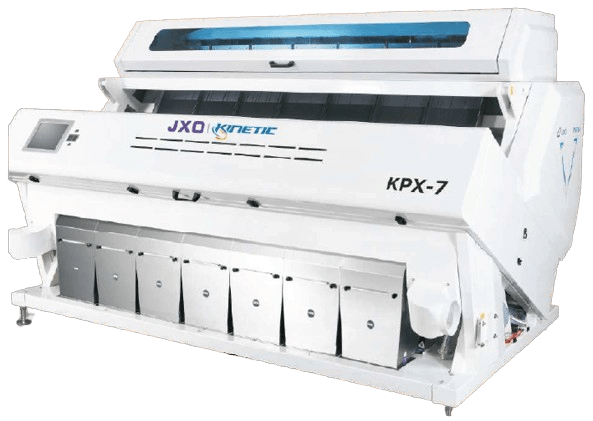
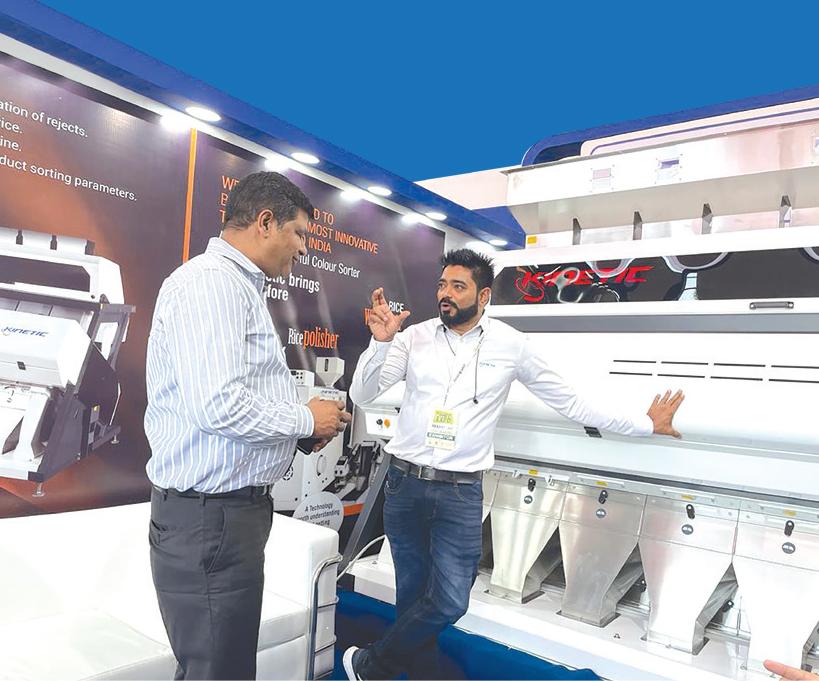
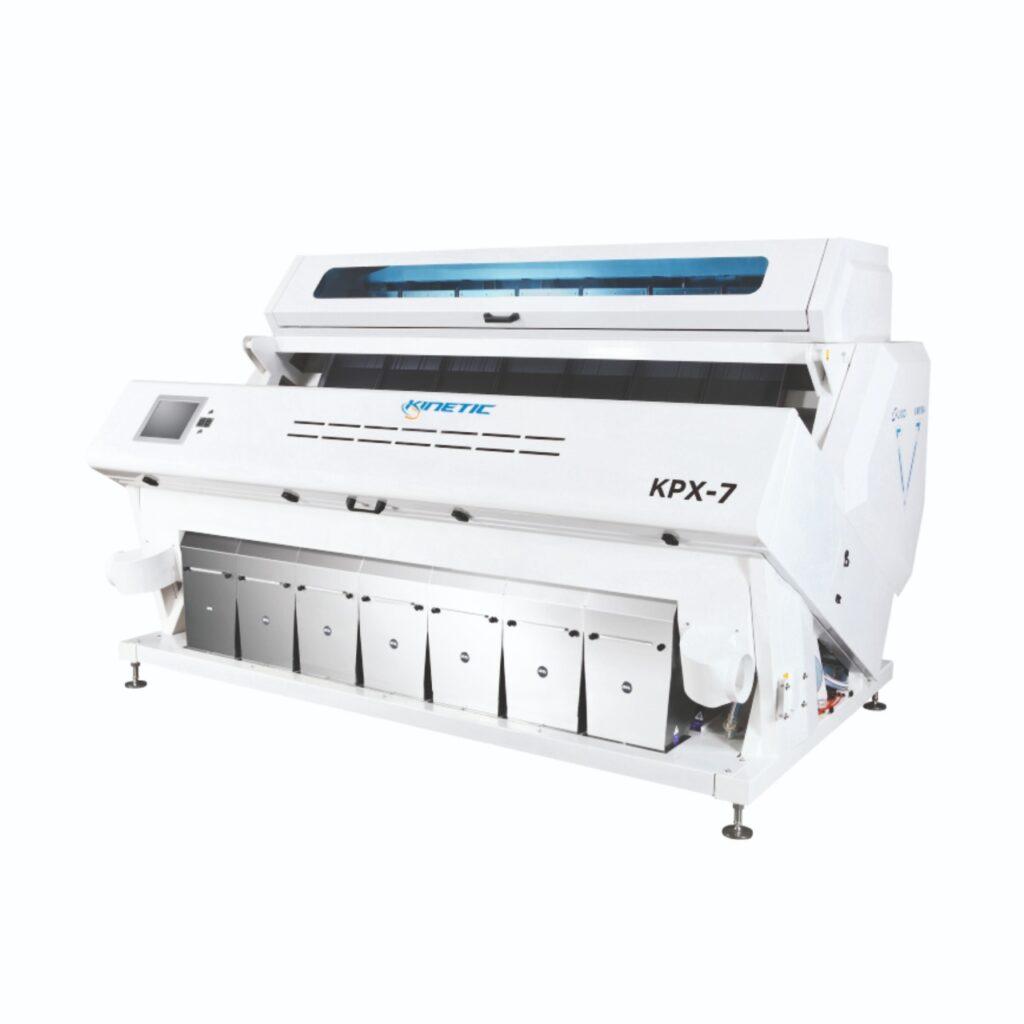
- Color sorters for defect-free output
These machines can be integrated progressively, allowing mills to expand capacity without shutting down operations.
Focus on Automation and Efficiency
Automation plays a crucial role in scaling safely. Advanced systems reduce dependency on manual labor, improve precision, and enhance overall efficiency.
Modern rice milling plants use:
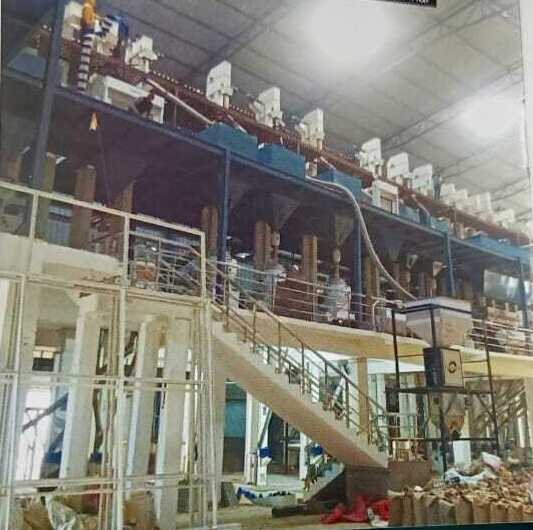
- Intelligent processing lines for smooth workflow
- Optical color sorting to ensure uniform grain quality
- Automated control systems for consistent performance
Such innovations not only increase output but also reduce wastage and operational costs, making scaling financially viable.
Evaluate Cost vs Long-Term ROI
One of the biggest concerns for small mill owners is investment cost. However, scaling should be viewed from a long-term return perspective.
Key benefits include:
- Increased production capacity leading to higher revenue
- Better rice quality resulting in improved market pricing
- Reduced grain wastage and higher yield
- Lower labor and maintenance costs over time
With proper planning, the return on investment can be achieved faster than expected, especially when using efficient and durable machinery.
Opt for Turnkey Solutions
Scaling is not just about buying machines; it involves design, installation, integration, and training. This is where turnkey solution providers play a vital role.
A reliable partner offers:
- End-to-end plant design and setup
- Customized solutions based on mill size and goals
- Installation and commissioning support
- After-sales service and maintenance
Kinetic Group specializes in delivering such turnkey grain milling solutions, helping millers transition from small-scale setups to high-capacity operations smoothly.
Learn from Real Industry Growth
Across India, several rice mills have successfully scaled to 6–8TPH operations by adopting modern machinery and integrated systems. These projects demonstrate that with the right planning and technology, scaling is not only achievable but also sustainable in the long run.
Conclusion
Scaling a rice mill from 2TPH to 8TPH does not have to be risky or overwhelming. With a phased approach, smart investment in automation, and the support of an experienced solution provider, mill owners can expand confidently while improving quality and profitability.
The key lies in planning ahead, upgrading strategically, and choosing technology that grows with your business.