Rice Milling Machinery Investment
For many rice mill owners, one question often comes up before upgrading their plant:
“Is investing in modern rice milling machinery really worth the cost?”
At first glance, the investment may seem significant. But when you look beyond the initial expense and focus on long-term returns, efficiency, and profitability, the answer becomes much clearer.
Modern rice milling is no longer just about processing paddy—it’s about maximizing yield, ensuring premium quality, and staying competitive in a fast-evolving market.
The Shift from Traditional to Modern Milling
Traditional rice milling methods often rely on outdated machinery, manual intervention, and inconsistent processes. While they may seem cost-effective initially, they come with hidden inefficiencies.
Modern rice milling systems, on the other hand, are designed with:
- Advanced automation
- Precision engineering
- Integrated processing systems
These technologies ensure higher efficiency, minimal wastage, and consistent output quality, making them a smarter choice for long-term growth.
Hidden Costs of Outdated Machinery
Many mill owners underestimate the ongoing losses caused by old systems. These include:
High Grain Wastage
Traditional machines often lead to breakage and loss of usable grains.
Increased Labor Costs
Manual processes require more manpower and increase operational dependency.
Inconsistent Quality
Uneven processing affects the final product, reducing market value.
Higher Maintenance and Downtime
Older machines are more prone to breakdowns, leading to production delays.
Over time, these factors significantly reduce profitability—even if the initial investment was low.
How Modern Machinery Improves Profitability
Investing in advanced rice milling technology directly impacts your bottom line.
Higher Yield and Less Wastage
Modern machines are designed to reduce grain breakage and maximize output, ensuring better recovery rates.
Superior Grain Quality
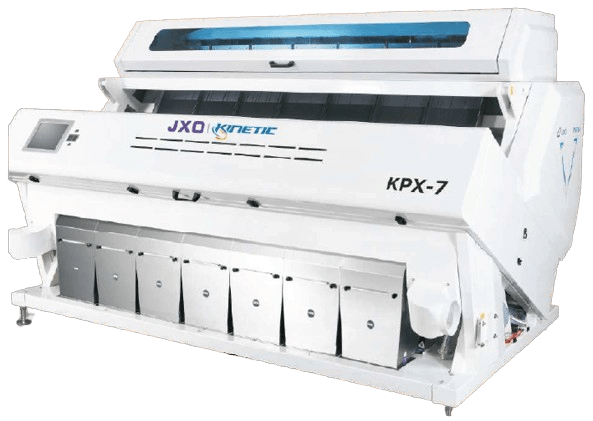
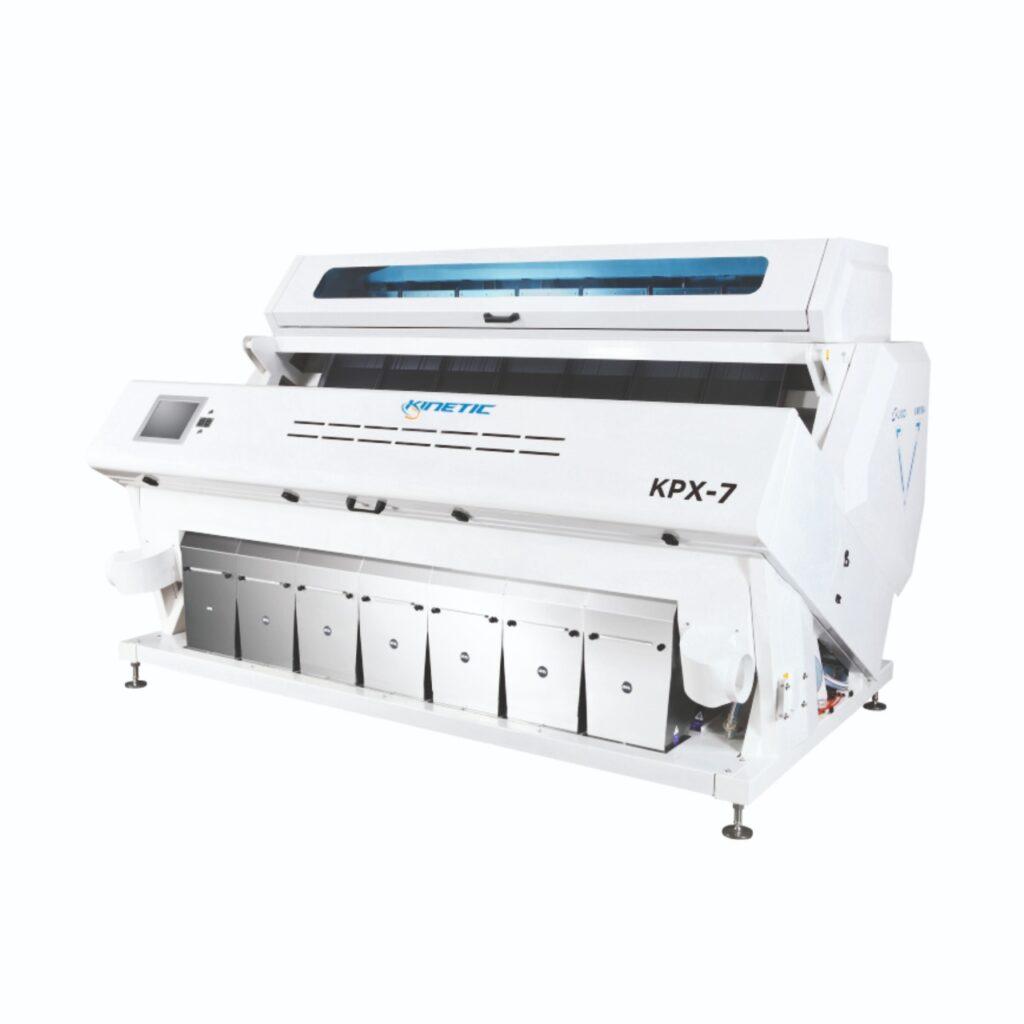
Precision sorting and polishing technologies ensure clean, uniform, and premium-grade rice, which commands a higher market price.
Faster Processing
Automated systems streamline operations, increasing production capacity and reducing turnaround time.
Reduced Labor Dependency
Automation minimizes manual intervention, saving labor costs and improving efficiency.
Understanding ROI: Investment vs Returns
Let’s break it down in simple terms.
Initial Investment:
- Machinery cost
- Installation and setup
Returns Over Time:
- Increased production capacity
- Reduced wastage
- Lower labor and maintenance costs
- Higher selling price due to better quality
Modern machinery helps millers achieve higher profitability through improved efficiency and optimized operations, making it a strong long-term investment.
Long-Term Business Benefits
Beyond immediate financial gains, modern rice milling machinery offers strategic advantages:
Scalability
Easily expand production capacity as demand grows.
Export Opportunities
Consistent quality helps meet international standards and enter global markets.
Brand Reputation
Delivering premium-quality rice builds trust and strengthens your brand in the market.
Sustainability
Energy-efficient systems reduce power consumption and environmental impact.
Why Turnkey Solutions Make More Sense
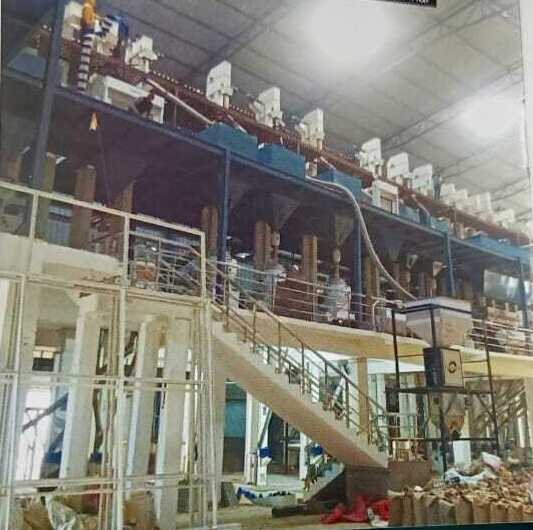
Instead of investing in individual machines separately, many mill owners are now opting for complete turnkey rice milling solutions.
These systems cover:
- Pre-cleaning
- Milling
- Polishing
- Sorting
- Packaging
An integrated setup ensures smooth workflow, better coordination, and higher efficiency across all stages of production.
Additionally, customized solutions allow businesses to design plants based on:
- Production capacity
- Space availability
- Budget
This ensures maximum output with optimal resource utilization.
A Practical Perspective
Imagine two rice mill owners:
- One continues with outdated machinery and faces frequent breakdowns, inconsistent quality, and lower profits.
- The other invests in modern automated systems and achieves higher yield, premium pricing, and smoother operations.
Over time, the difference in profitability and growth becomes significant.
Conclusion: Investment or Expense?
Modern rice milling machinery is not just an expense—it is a strategic investment.
In a competitive market where quality, efficiency, and consistency define success, upgrading your milling system is no longer optional—it is essential.