Rice Mill Profit Loss
Running a rice mill is not just about production—it’s about profitability, efficiency, and consistency. Many mill owners focus on output volume but often overlook the silent losses happening at different stages of grain processing.
The truth is, your rice mill might be operating daily, yet losing profit in ways that are not immediately visible. Identifying and eliminating these hidden losses can significantly improve your bottom line.
The Reality of Hidden Losses in Rice Mills
In traditional or semi-automated milling setups, losses don’t always appear as direct financial damage. Instead, they accumulate gradually through inefficiencies, wastage, and inconsistent quality.
These unnoticed gaps can reduce overall profitability despite steady production.
Where Are You Losing Money?
1. Grain Wastage During Processing
Improper handling, outdated machinery, or manual processes often lead to broken grains and unnecessary wastage. Even a small percentage of loss per batch can result in substantial yearly financial impact.
2. Inconsistent Sorting Quality
Manual sorting or low-precision systems fail to remove defective grains effectively. This leads to mixed-quality output, which directly affects market value and buyer trust.
3. Higher Labor Dependency
Relying heavily on manual labor increases operational costs and introduces human error. Over time, this reduces efficiency and consistency in production.
4. Lower Market Price for Output
Poor grain quality or inconsistent grading often results in lower selling prices. Buyers today demand high-quality, uniform grains, especially in export markets.
5. Energy Inefficiency
Outdated systems consume more power while delivering less output. High energy costs silently reduce overall profit margins.
The Cost of Ignoring These Losses
Many mill owners accept these inefficiencies as part of the process. However, ignoring them can lead to:
- Reduced profit margins
- Limited scalability
- Loss of competitive advantage
- Decreased customer satisfaction
- Higher long-term operational costs
In a competitive market, these factors can significantly impact business growth.
A Practical Example
Consider a mid-sized rice mill operating with partial automation and manual sorting. While production levels may seem satisfactory, the mill faces:
- 3–5% grain wastage
- Inconsistent output quality
- High labor costs
Now, when scaled over months, these small inefficiencies translate into major financial losses. On the other hand, mills adopting advanced processing systems achieve better yield, consistent quality, and higher selling prices.
How Modern Technology Eliminates Losses
Upgrading to advanced grain processing solutions can directly address these hidden issues.
Precision Sorting
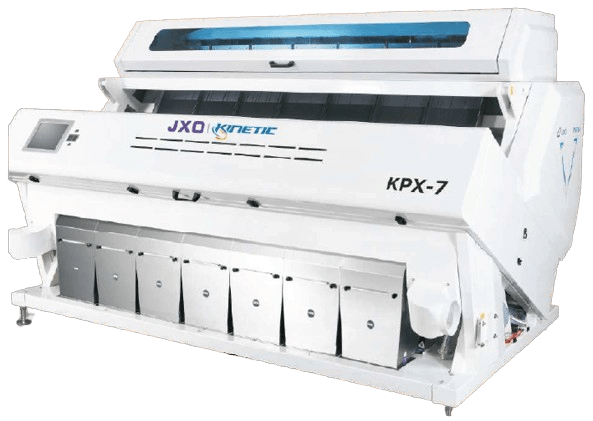
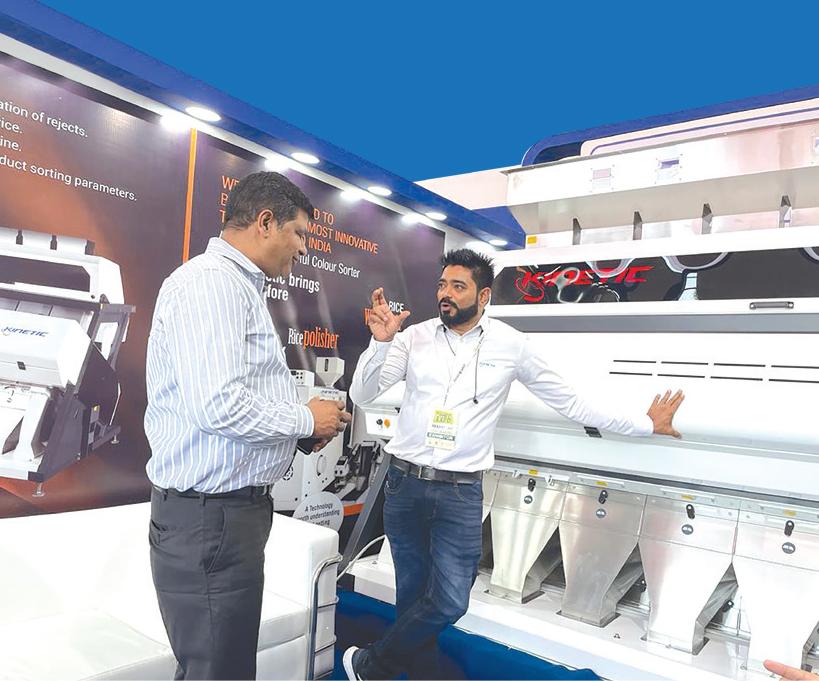
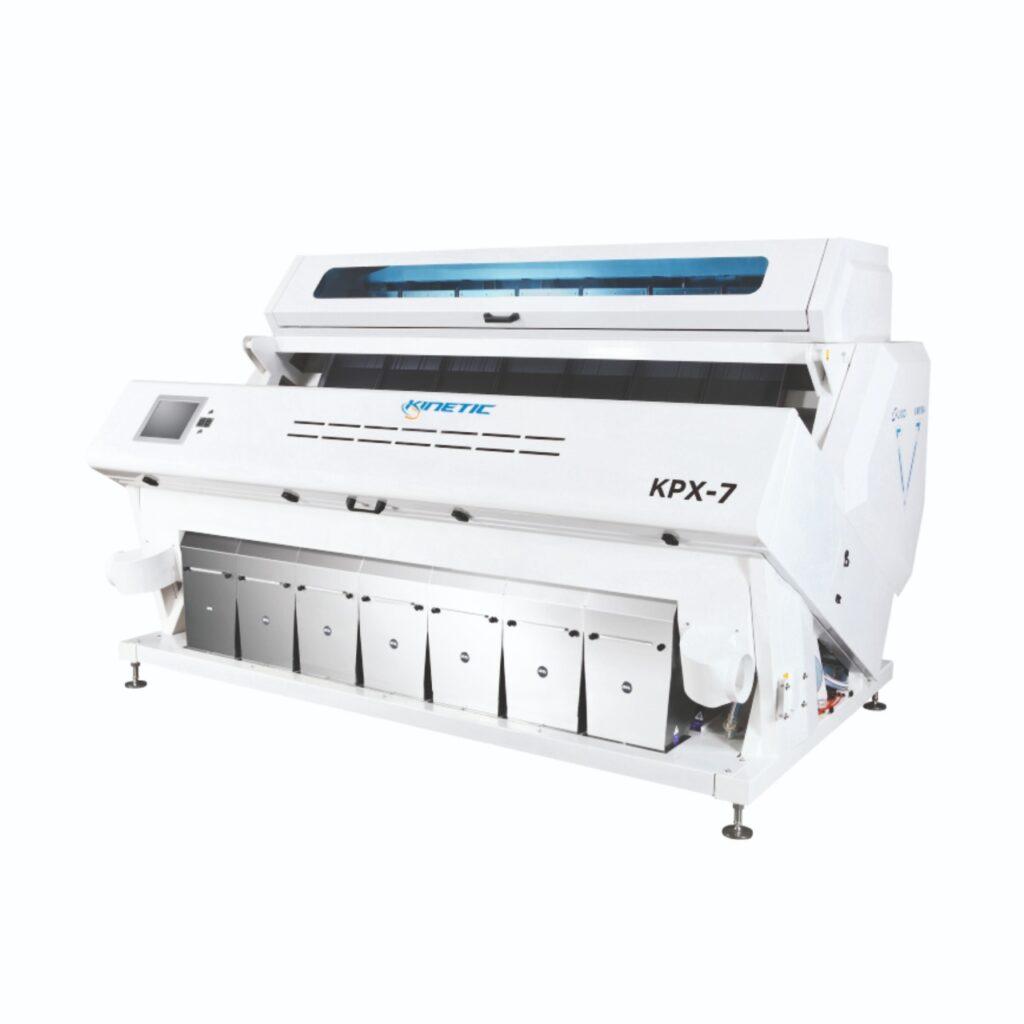
Modern color sorting technology ensures accurate separation of defective grains, improving final product quality.
Automation for Efficiency
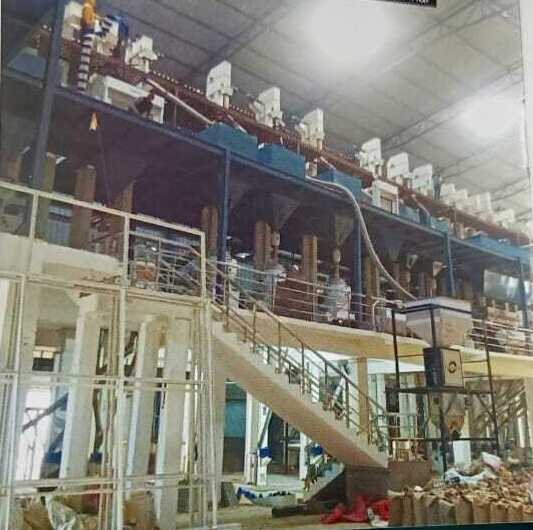
Automated systems reduce dependency on manual labor, ensuring faster and more consistent operations.
Improved Yield
Advanced machinery minimizes grain breakage and maximizes output from the same raw material.
Energy Optimization
New-age machines are designed to consume less energy while delivering higher performance.
The ROI Perspective: Investment vs Profit
Many business owners hesitate to invest in advanced machinery, considering it an additional expense. However, the real question is:
How much are you already losing without it?
When you factor in:
- Reduced wastage
- Better pricing due to improved quality
- Lower labor costs
- Increased production efficiency
The return on investment becomes clear. Modernizing your rice mill is not just an upgrade—it is a strategic move towards long-term profitability.
Building a Future-Ready Rice Mill
The grain processing industry is evolving rapidly. Buyers are becoming more quality-conscious, and competition is increasing.
To stay ahead, rice mills must focus on:
- Consistent product quality
- Operational efficiency
- Smart technology adoption
- Cost optimization
Businesses that adapt to these changes are better positioned to scale and succeed.
Conclusion
Hidden losses in grain processing are often overlooked, but they have a direct impact on your profitability. From grain wastage to inconsistent quality, these challenges can silently reduce your business potential.
By identifying these gaps and adopting advanced solutions, you can transform your rice mill into a more efficient, profitable, and future-ready operation.
If your goal is not just to run a mill but to maximize its performance and returns, it’s time to rethink your process and invest in smarter solutions.