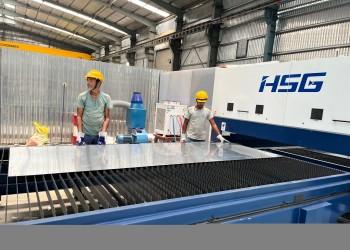
Manual vs Automated Rice Milling
The rice milling industry in India is evolving rapidly with advancements in technology and increasing demand for high-quality rice. Mill owners today face a crucial decision—whether to continue with traditional manual milling or shift to automated systems.
In 2026, profitability is no longer just about production—it is about efficiency, quality, and scalability. Understanding the difference between manual and automated rice milling can help businesses make smarter investment decisions.
Understanding Manual Rice Milling
Manual rice milling involves traditional methods where most processes depend on human labor and basic machinery.
Key Characteristics:
- Labor-intensive operations
- Limited production capacity
- Inconsistent output quality
- Higher chances of grain breakage
While manual milling requires lower initial investment, it often leads to higher operational costs over time due to inefficiencies.
Understanding Automated Rice Milling
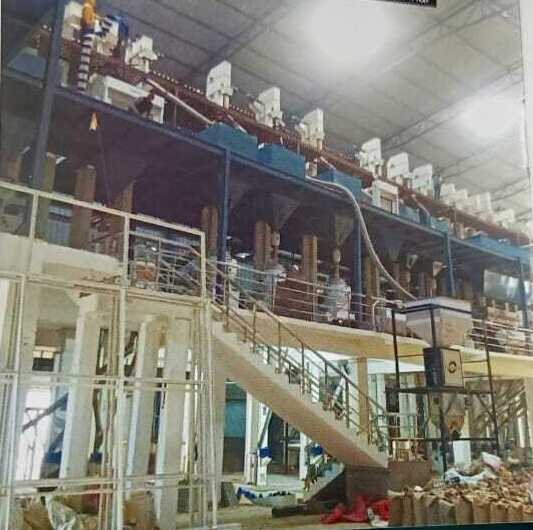
Automated rice milling uses advanced machinery integrated into a seamless system—from cleaning to polishing and sorting.
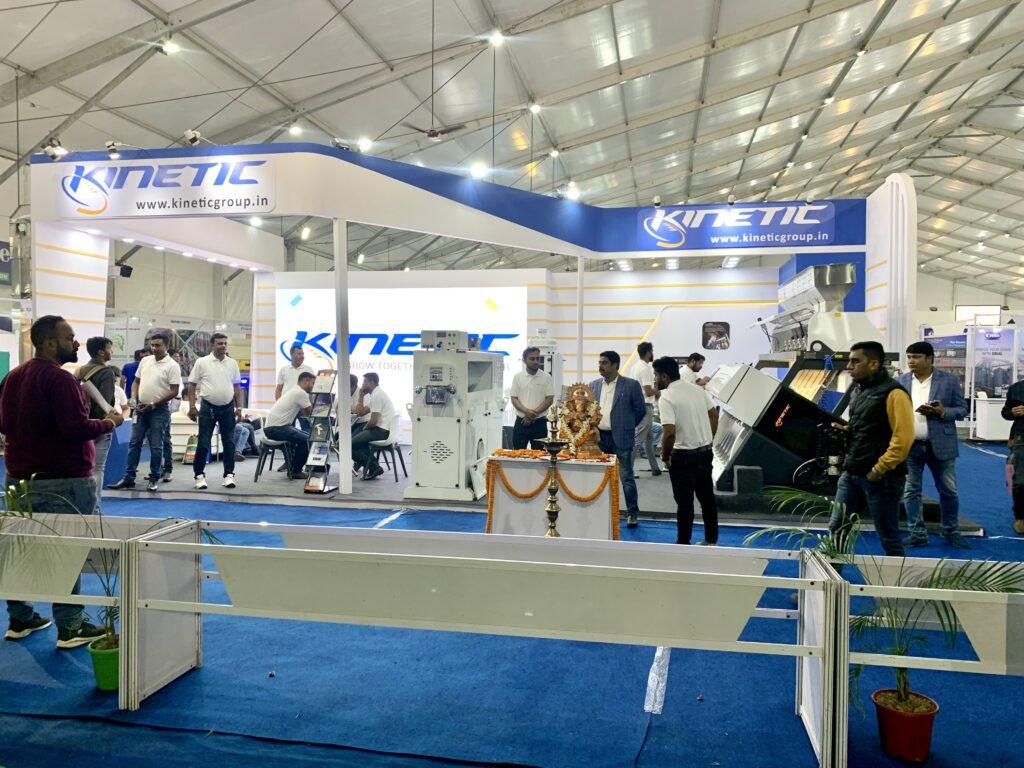
Modern solutions, like those offered by Kinetic Group, include:
- Fine cleaners, destoners, hullers, and polishers
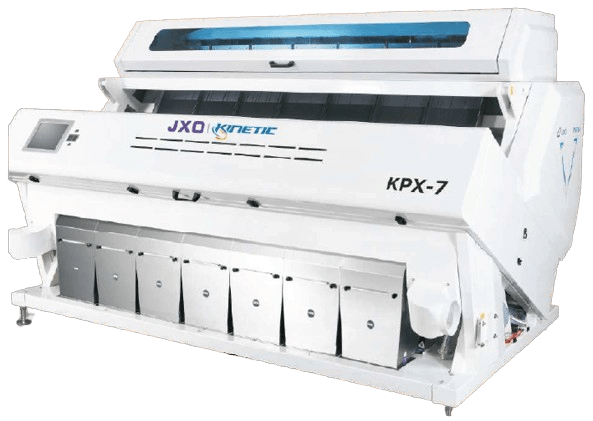
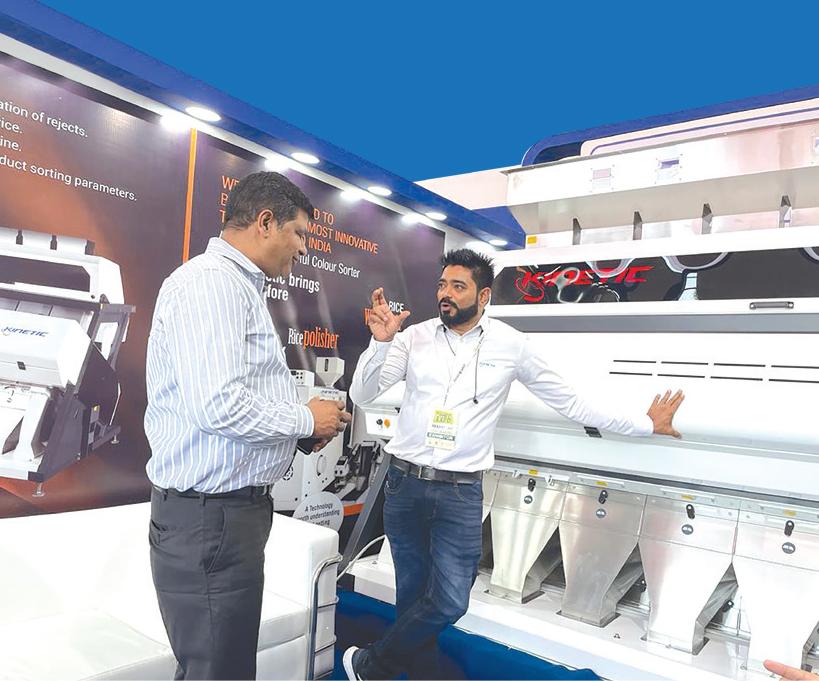
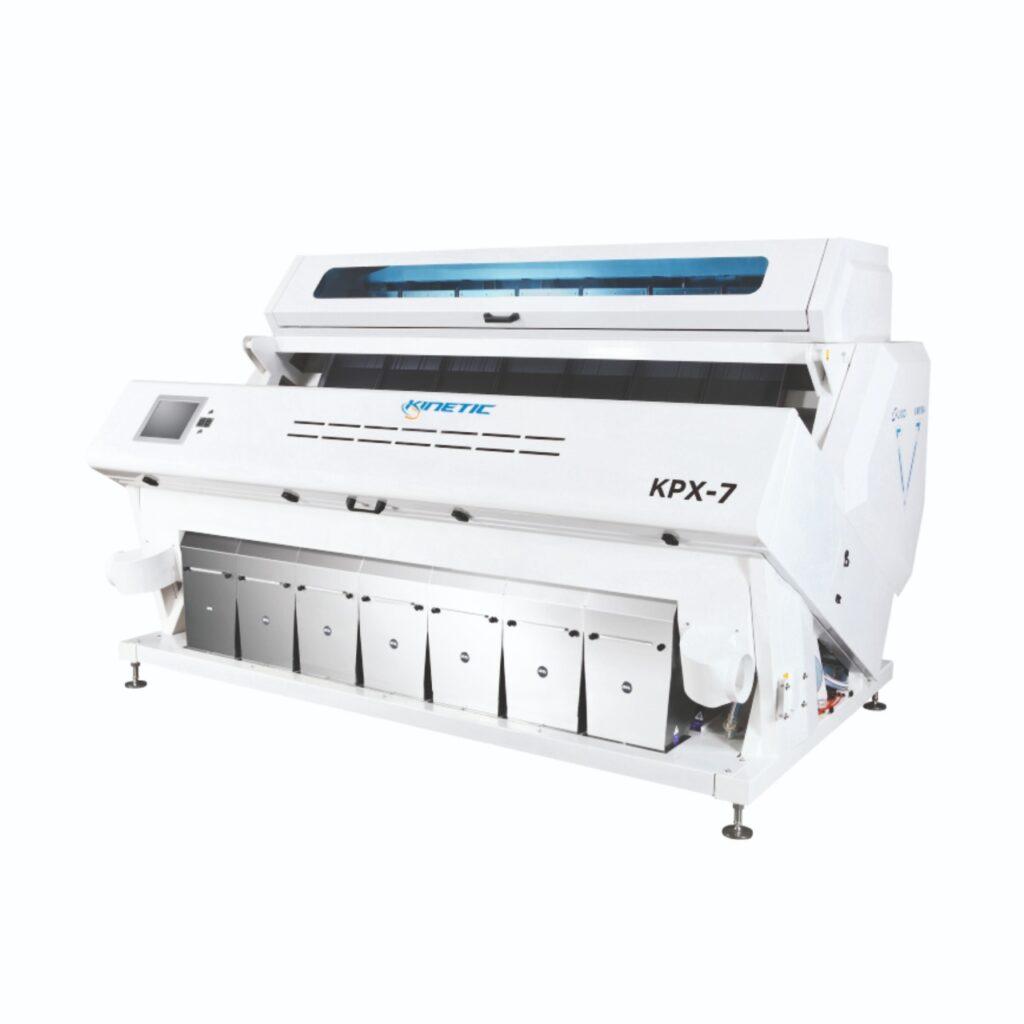
- AI-based color sorters for precise grain selection
- Fully integrated processing lines
These systems are designed to improve efficiency, reduce waste, and deliver consistent quality.
Key Comparison: Manual vs Automated Milling
1. Production Capacity
- Manual: Limited output, slower processing
- Automated: High-capacity continuous production
Automated plants can handle large volumes efficiently, making them ideal for commercial operations.
2. Quality of Rice
- Manual: Inconsistent quality with impurities
- Automated: Uniform, export-grade quality
Advanced technologies like color sorters remove defective grains and improve overall quality.
3. Labor Dependency
- Manual: Heavy reliance on workforce
- Automated: Minimal labor requirement
Automation significantly reduces dependency on labor, which is a major challenge in today’s market.
4. Operational Cost
- Manual: Lower setup cost but higher long-term expenses
- Automated: Higher initial investment but lower running costs
Automation reduces waste, improves yield, and saves energy, making it more cost-effective over time.
5. Profitability
- Manual: Limited margins due to inefficiency
- Automated: Higher profit due to better yield and quality
Automated systems increase milling yield and reduce broken grains, directly boosting profits.
Why Automation is the Future of Rice Milling
India’s grain processing industry is rapidly shifting toward modernization. With rising quality standards and global competition, automation is becoming essential rather than optional.
Kinetic Group is playing a key role in this transformation by providing:
- Turnkey rice milling solutions
- Scalable plant designs
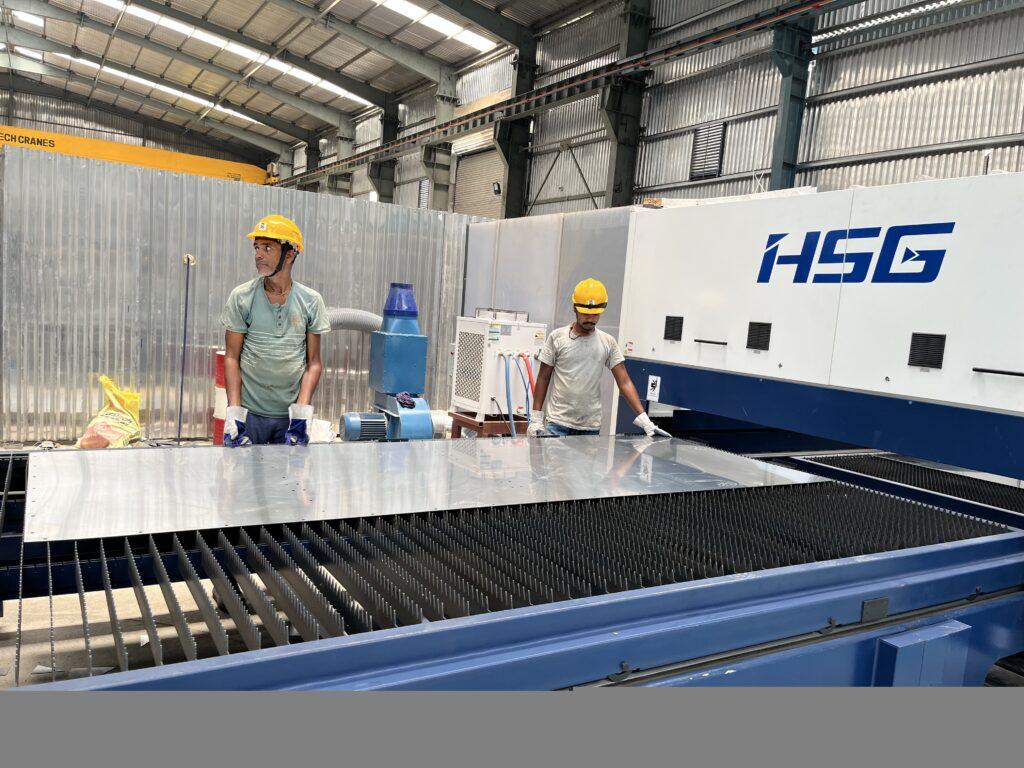
- Advanced engineering for better performance
Their integrated systems help millers improve efficiency, reduce waste, and achieve consistent results.
Real Business Impact
Automated rice mills are not just about machines—they are about long-term growth.
With automation, businesses can:
- Enter export markets with premium-quality rice
- Reduce production losses
- Increase daily output
- Achieve faster return on investment
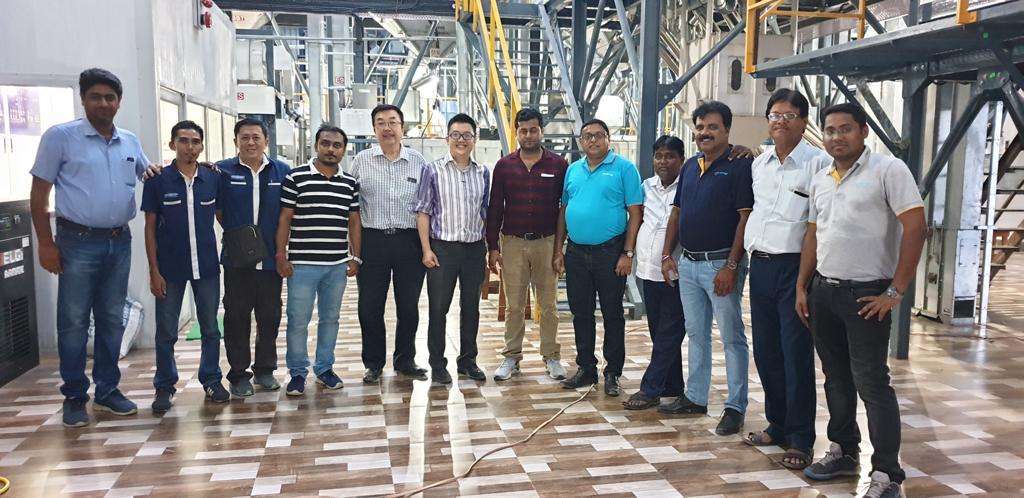
Kinetic Group has successfully delivered multiple modern rice milling projects across India, helping businesses scale efficiently.
Which One Should You Choose in 2026?
- Choose manual milling if you are operating on a very small scale with limited capital
- Choose automated milling if you aim for long-term growth, higher profits, and consistent quality
In today’s competitive market, automation offers a clear advantage.
Final Thoughts
In 2026, the rice milling industry is no longer just about processing—it is about precision, efficiency, and profitability. While manual milling may still exist in small setups, automated rice milling is the future for businesses aiming to grow and compete globally.