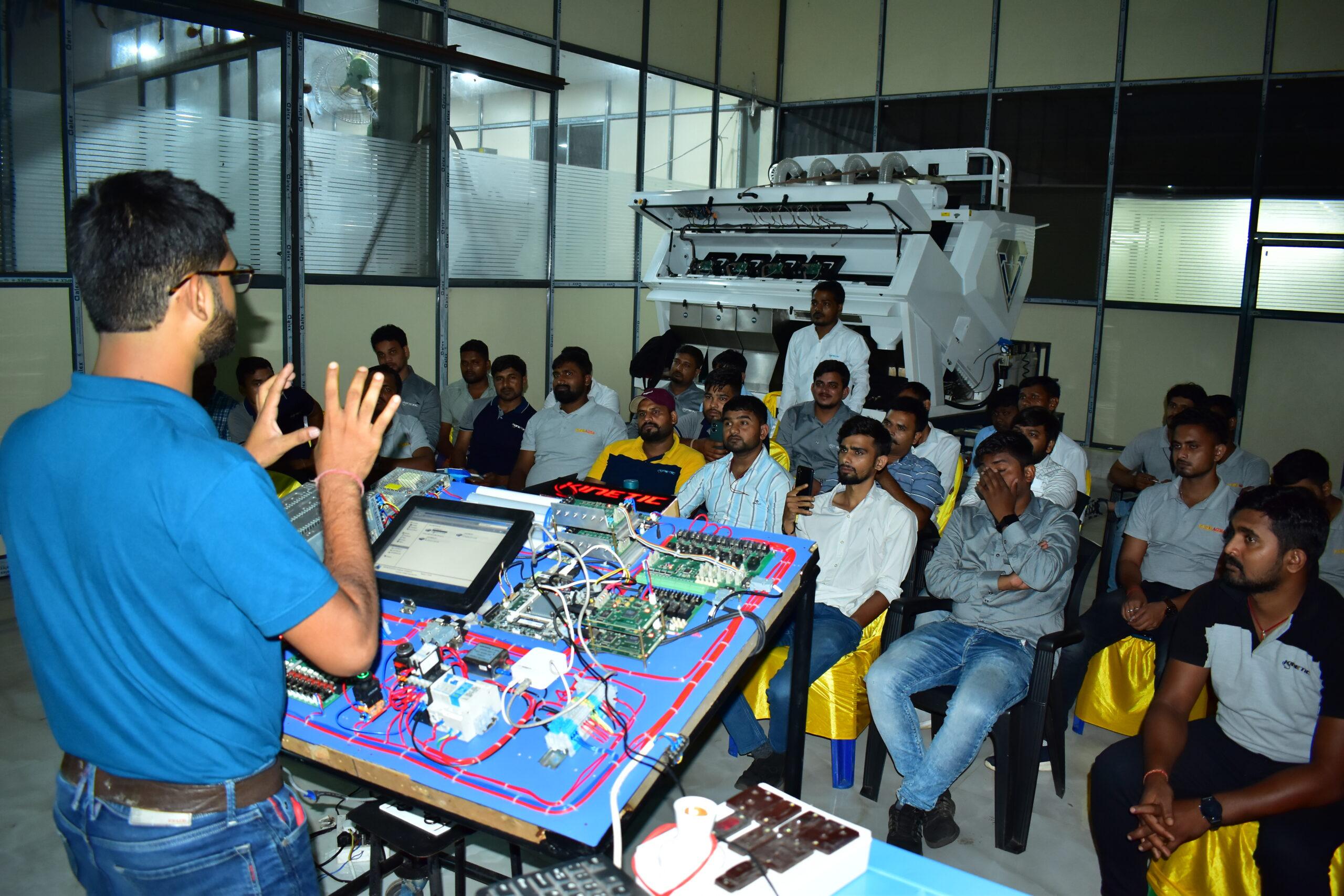
Modern Rice Milling Technology Investment
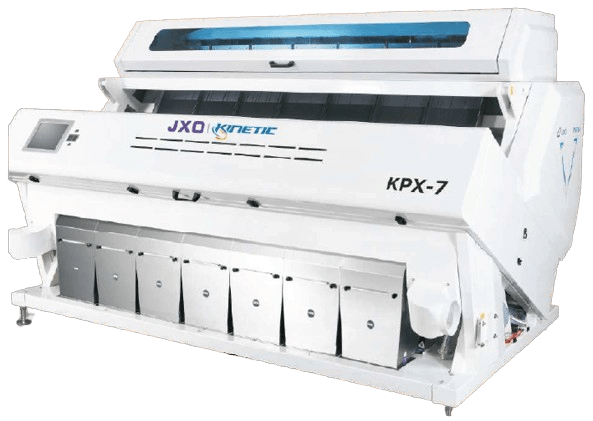
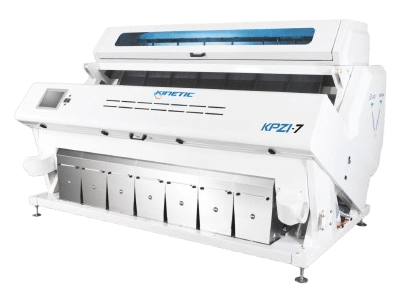
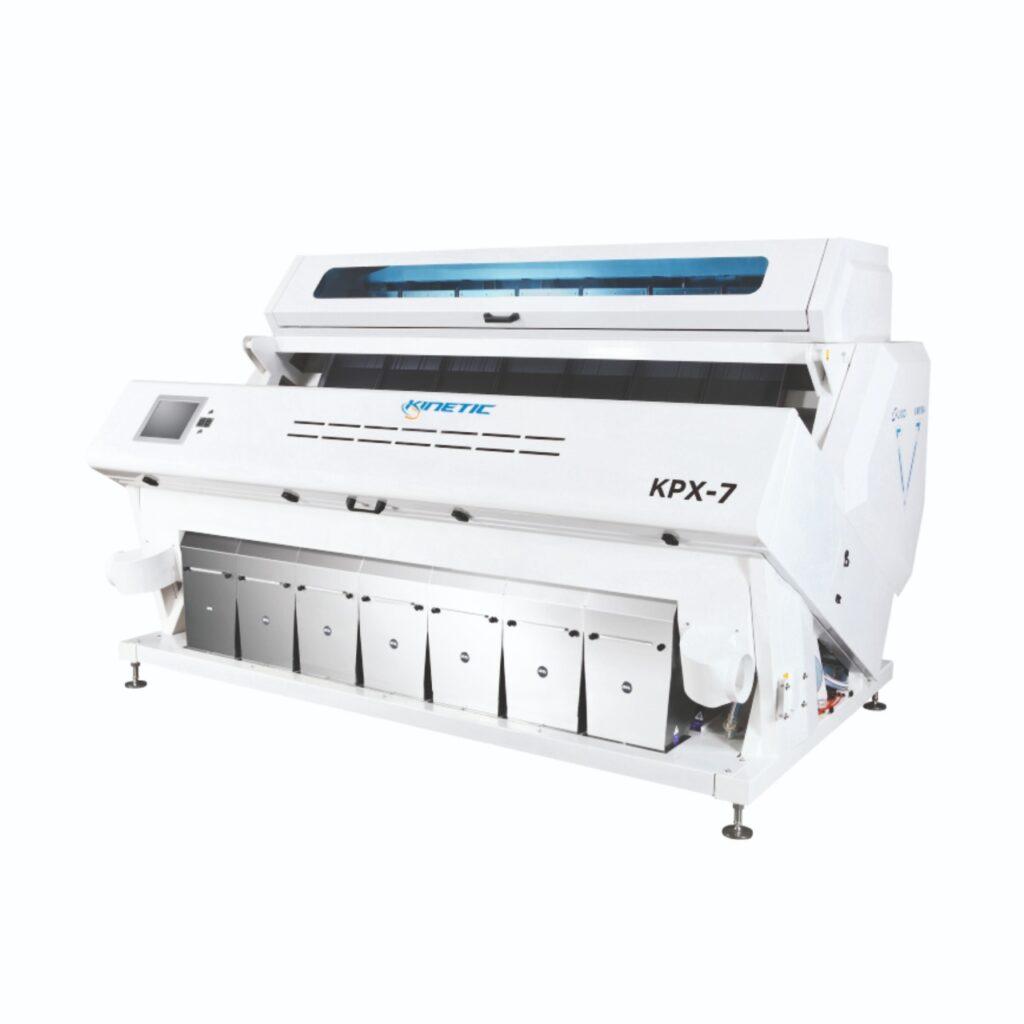
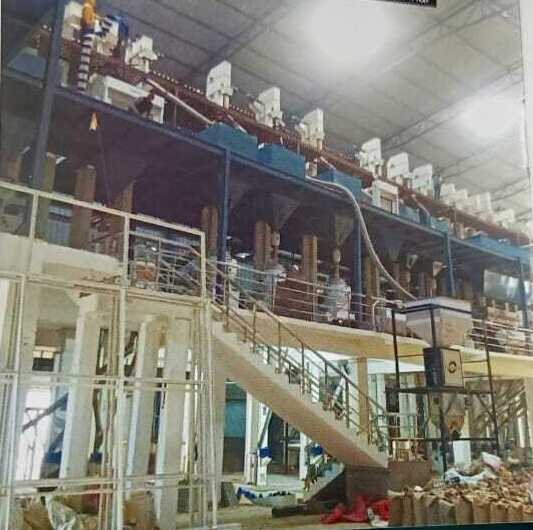
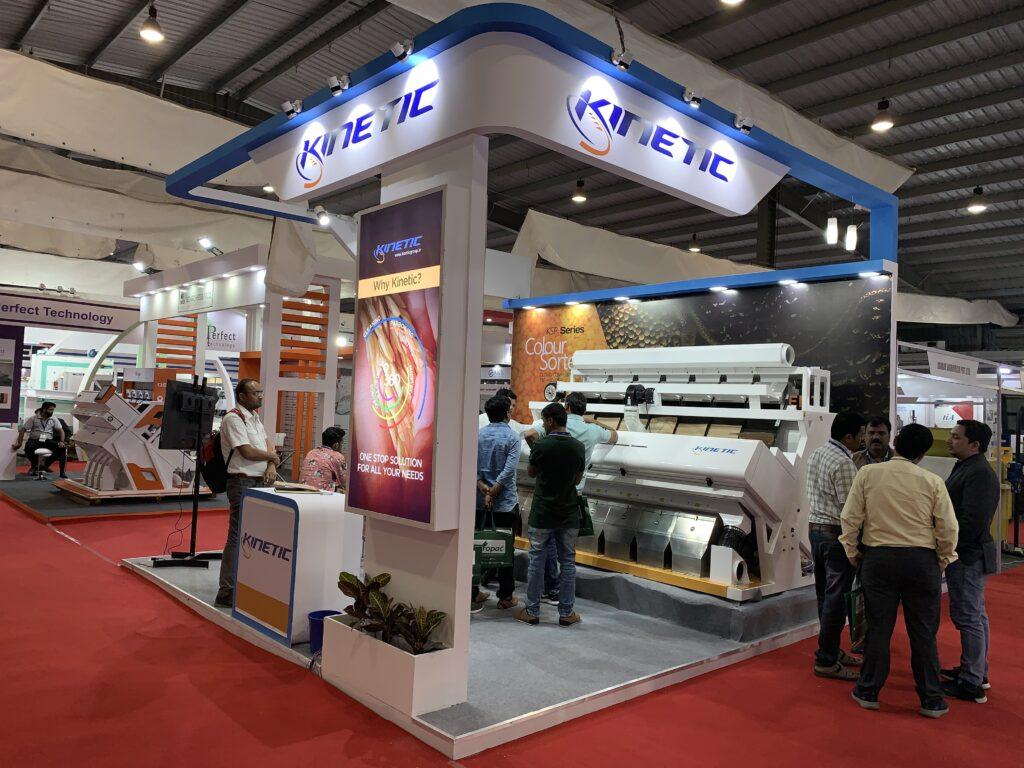
Investing in modern rice milling technology is a major decision for any mill owner. While traditional methods have worked for decades, automation, color sorters, and advanced milling machines promise higher efficiency, better grain quality, and long-term profitability. But the key question remains: Is it really worth the investment? Let’s break it down.
Why Modern Technology Matters
Modern rice milling technology brings several advantages:
- Higher efficiency – Processes that used to take hours can now be completed in a fraction of the time.
- Better quality output – Uniform milling and color sorting improve the appearance and quality of the rice.
- Reduced wastage – Advanced machines minimize broken grains and losses during processing.
- Labor optimization – Automation reduces dependence on manual labor, cutting operational costs.
- Scalability – Modern machinery allows mills to handle larger volumes as business grows.
Cost Considerations
Investing in modern milling technology involves upfront capital, which may seem high initially. Key costs include:
- Machinery cost – Automated rice mills, color sorters, and de-stoners.
- Installation and setup – Electrical, structural, and technical setup.
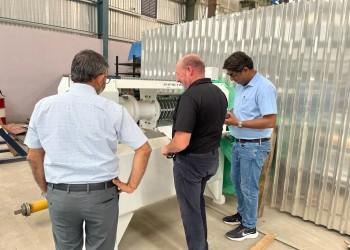
- Training staff – Ensuring operators are skilled in running and maintaining the machines.
- Maintenance – Preventive care and occasional parts replacement to maintain efficiency.
While the upfront cost is significant, the long-term benefits can outweigh the investment if planned strategically.
Profit Potential
Modern rice milling technology can improve profits in several ways:
- Increased output per hour – More rice processed in less time directly boosts revenue.
- Higher quality grains – Premium rice can be sold at higher market rates.
- Reduced wastage – Less broken rice and rejects increase usable product.
- Lower labor costs – Fewer workers required, saving on salaries.
- New business opportunities – Ability to take larger contracts, supply exporters, and meet international standards.
Manual vs Automated Milling: A Quick Comparison
| Factor | Manual/Traditional | Modern Automated |
|---|---|---|
| Output per day | Moderate | High |
| Broken grains | High | Low |
| Labor dependency | High | Low |
| Operational efficiency | Medium | High |
| Market competitiveness | Limited | Strong |
| ROI | Slow | Faster (2–4 years average) |
The comparison clearly shows that while automation requires a higher initial investment, it offers a faster return and long-term business growth.
ROI Timeline
Depending on the scale of operations and machine type:
- Small to medium mills: 2–3 years
- Large industrial mills: 3–5 years
Factors influencing ROI include production volume, market demand, operational efficiency, and raw material cost.
Tips for Maximizing Investment
- Choose the right machines – Focus on high-quality, durable, and energy-efficient equipment.
- Plan capacity wisely – Invest based on current demand but allow room for scaling.
- Implement preventive maintenance – Regular care reduces downtime and repair costs.
- Train staff adequately – Skilled operators ensure machines perform optimally.
- Focus on quality control – Consistent grain quality ensures repeat business and better margins.
Conclusion
Modern rice milling technology is more than just a machine upgrade—it’s a strategic investment. By increasing efficiency, reducing wastage, and improving rice quality, mill owners can significantly enhance profitability and stay competitive in a growing market.
For mill owners ready to scale operations and maximize returns, embracing automation and modern milling solutions is no longer optional—it’s essential.