
Challenges in Rice Milling
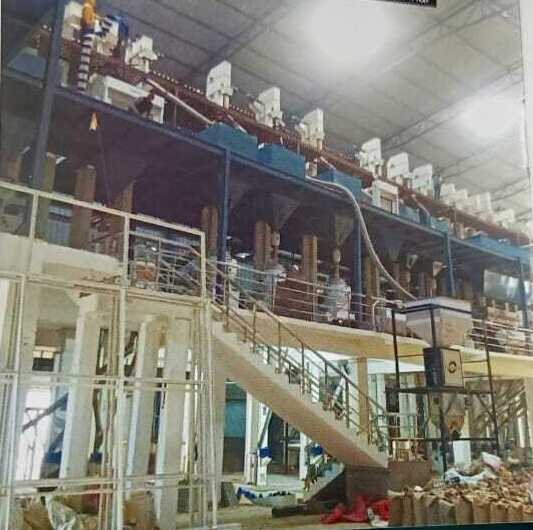
Rice milling is a critical step in the agricultural supply chain, ensuring that paddy is transformed into high-quality rice for consumers. While modern milling operations have advanced significantly, mills still face several challenges that can affect productivity, efficiency, and profitability. Identifying these hurdles and adopting effective strategies is essential for sustainable growth in the rice milling industry.
1. Ensuring Data Accuracy and Equipment Monitoring
One of the biggest challenges in modern rice milling is maintaining accurate data on production and equipment performance. Without reliable information, mills cannot make informed decisions about maintenance, sorting, or quality control.
Solution:
- Install sensors and monitoring systems to track equipment performance and production metrics in real-time.
- Regularly calibrate machinery to ensure precise operations.
- Maintain logs for production output, energy consumption, and downtime for better operational insights.
2. High Implementation Costs
Upgrading milling equipment, integrating new technologies, or expanding operations often comes with significant costs. For smaller mills, these expenses can be a major barrier to modernization.
Solution:
- Plan investments in stages, focusing on areas with the highest ROI, such as improved sorting machines or energy-efficient dryers.
- Explore government subsidies, financial schemes, or partnerships to support technological upgrades.
- Conduct cost-benefit analysis before adopting new machinery to ensure long-term sustainability.
3. Skill Development and Workforce Training
Modern rice milling requires skilled operators who can manage advanced machinery, analyze performance data, and optimize operations. Lack of trained staff can lead to errors, inefficiencies, and reduced output quality.
Solution:
- Conduct regular training programs for employees on machine operation, maintenance, and quality control.
- Encourage knowledge sharing between experienced staff and new hires.
- Keep the workforce updated with the latest trends and techniques in rice milling.
4. Maintaining Consistent Product Quality
Meeting consumer expectations for rice quality is crucial for business success. Variations in grain size, color, or texture can affect market reputation and sales.
Solution:
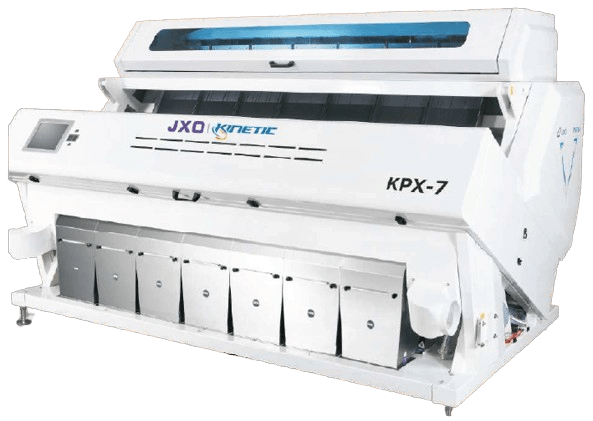
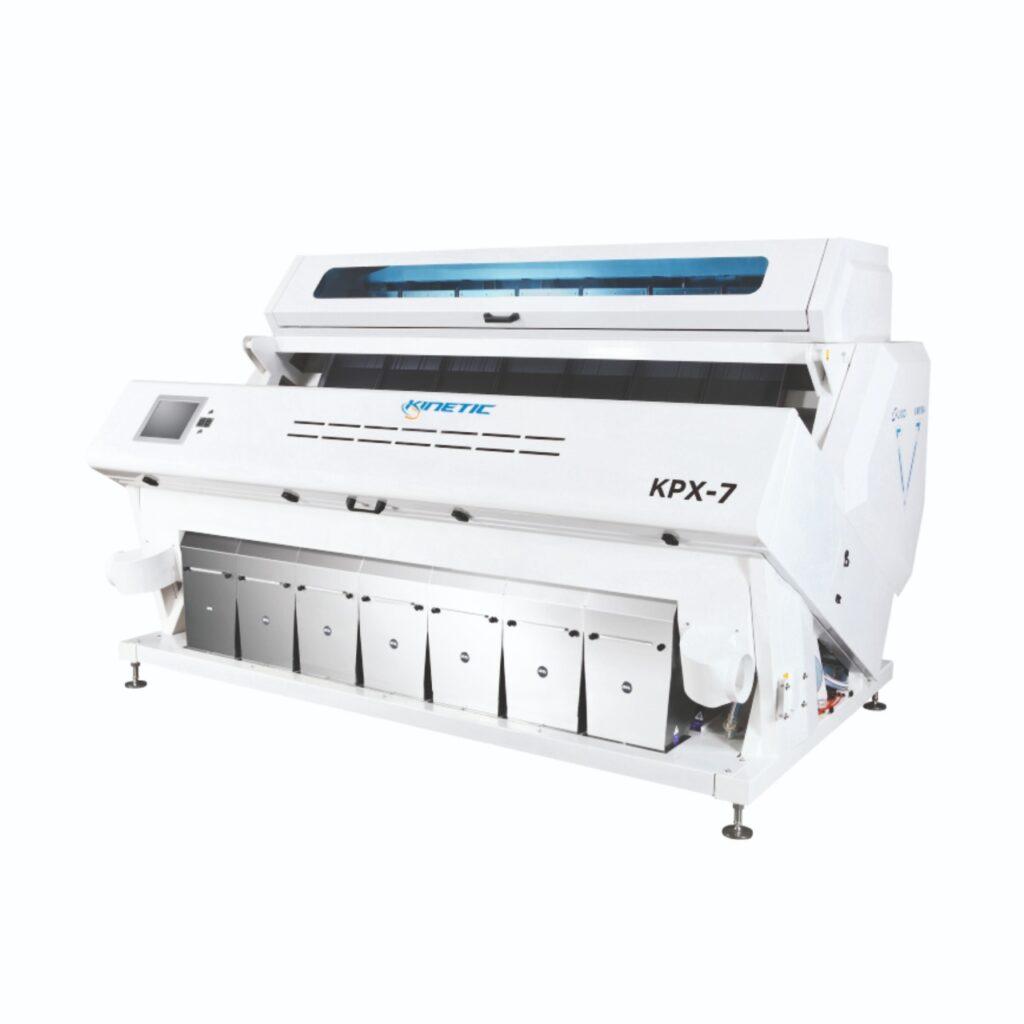
- Implement automated sorting and grading systems to ensure uniformity.
- Regularly inspect production batches for defects or inconsistencies.
- Adjust milling processes based on seasonal variations in paddy quality to maintain consistent output.
5. Reducing Operational Downtime
Unexpected equipment breakdowns or inefficiencies in production processes can lead to significant downtime, affecting delivery schedules and profitability.
Solution:
- Adopt a proactive maintenance strategy to monitor equipment health and schedule timely servicing.
- Keep critical spare parts in stock to reduce repair time.
- Streamline workflow and operational processes to minimize bottlenecks.
Conclusion
Modern rice milling presents exciting opportunities for efficiency, productivity, and quality improvement. However, challenges like data accuracy, high costs, workforce training, product consistency, and downtime must be addressed strategically. By implementing proactive solutions, rice mills can overcome these hurdles, enhance operational efficiency, and achieve sustainable growth in a competitive market.
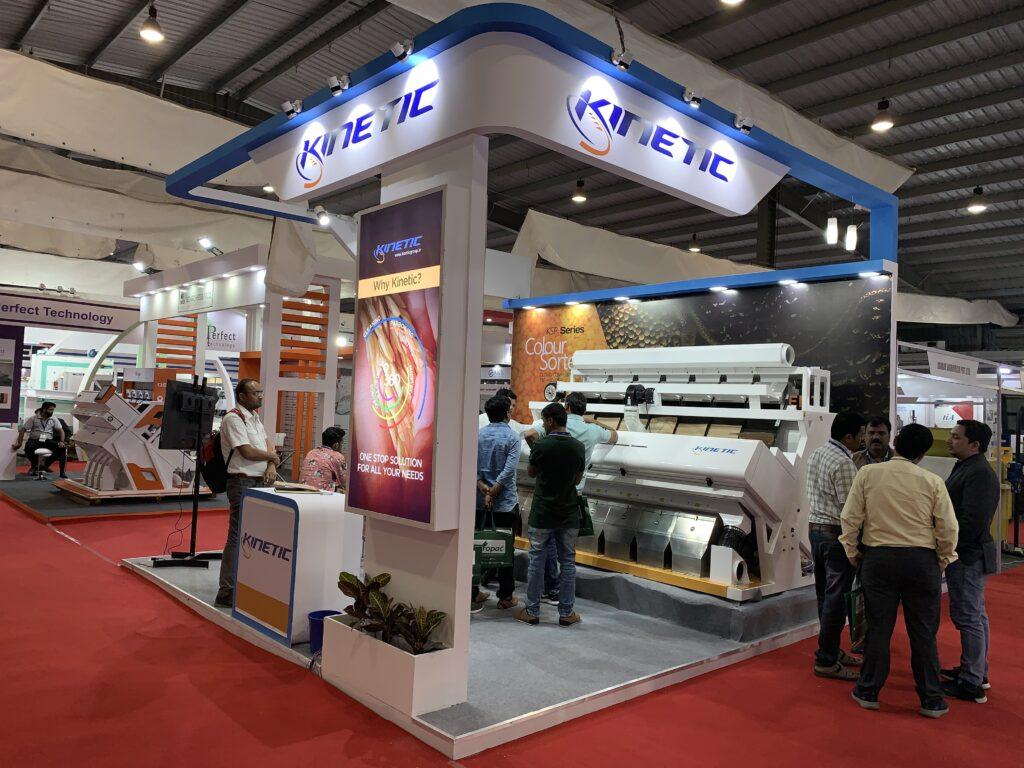
For expert solutions and modern rice milling equipment that overcome operational challenges, visit Kinetic Group and explore our range of complete rice milling solutions tailored for efficiency and quality.