Types of Rice Mill Machinery
Rice is one of the world’s most consumed staple foods, and efficient milling plays a vital role in ensuring quality, taste, and market value. For entrepreneurs, mill owners, and agro-industries, choosing the right rice milling machine is not just about processing rice—it’s about boosting yield, reducing wastage, and maximizing profitability.
In this blog, we’ll explore the types of rice mills, different machines used in the process, and the key factors you should consider before making an investment.
1. Types of Rice Mills
🔹 Traditional Rice Mills
- Operated manually or semi-mechanically.
- Common in rural areas with small-scale production.
- Low investment but high labor costs and less efficiency.
🔹 Modern Rice Mills
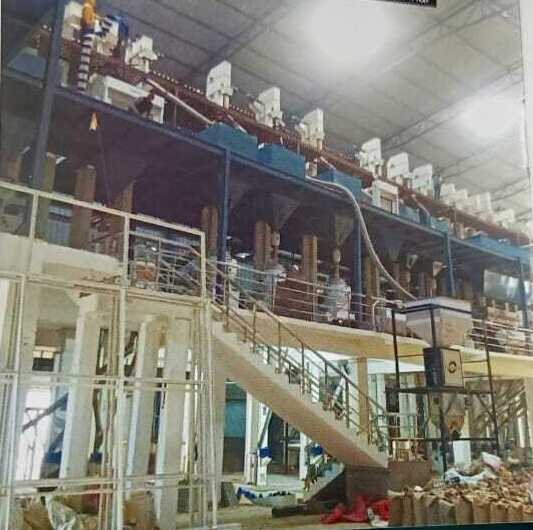
- Fully automated with advanced machinery for cleaning, dehusking, polishing, sorting, and packaging.
- Higher capacity, lower wastage, better quality output.
- Require more investment but ensure long-term profitability.
🔹 Mini/Small Rice Mills
- Compact mills suitable for farmers or small entrepreneurs.
- Easy to install and operate.
- Ideal for localized processing and community-level milling.
🔹 Integrated/Automatic Rice Mills
- End-to-end solution: from cleaning to packaging.
- High efficiency, precision output, and reduced dependency on manual labor.
- Best choice for medium to large-scale businesses.
2. Essential Machines Used in Rice Mills
- Pre-Cleaner – Removes dust, straw, stones, and impurities.
- Dehusker (Huller) – Removes the husk from paddy grains.
- Separator – Separates brown rice from unhusked paddy.
- Whitener/Polisher – Improves the brightness and smoothness of rice grains.
- Grader – Classifies rice into different sizes (broken, small, head rice).
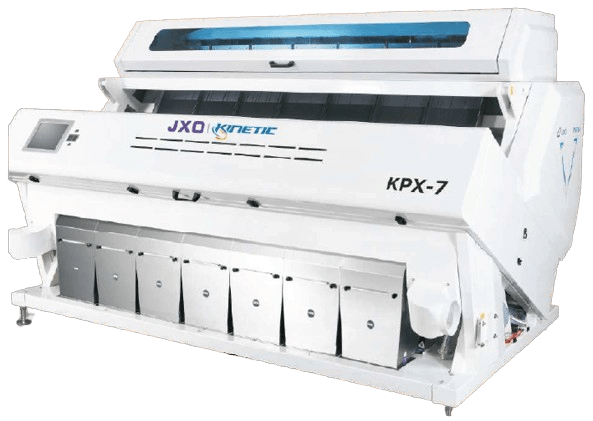
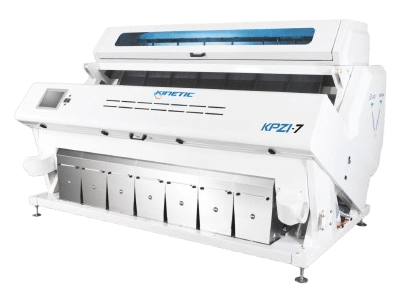
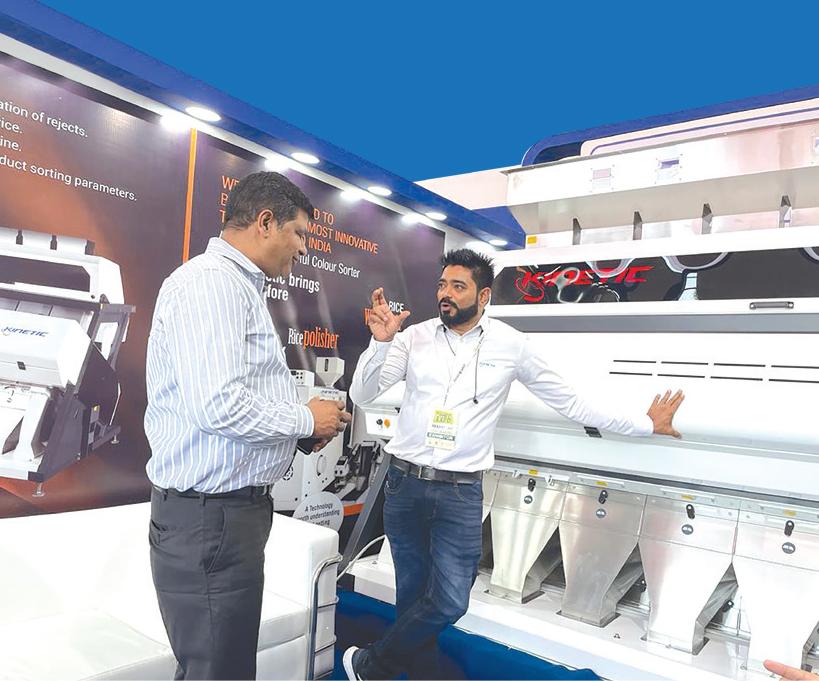
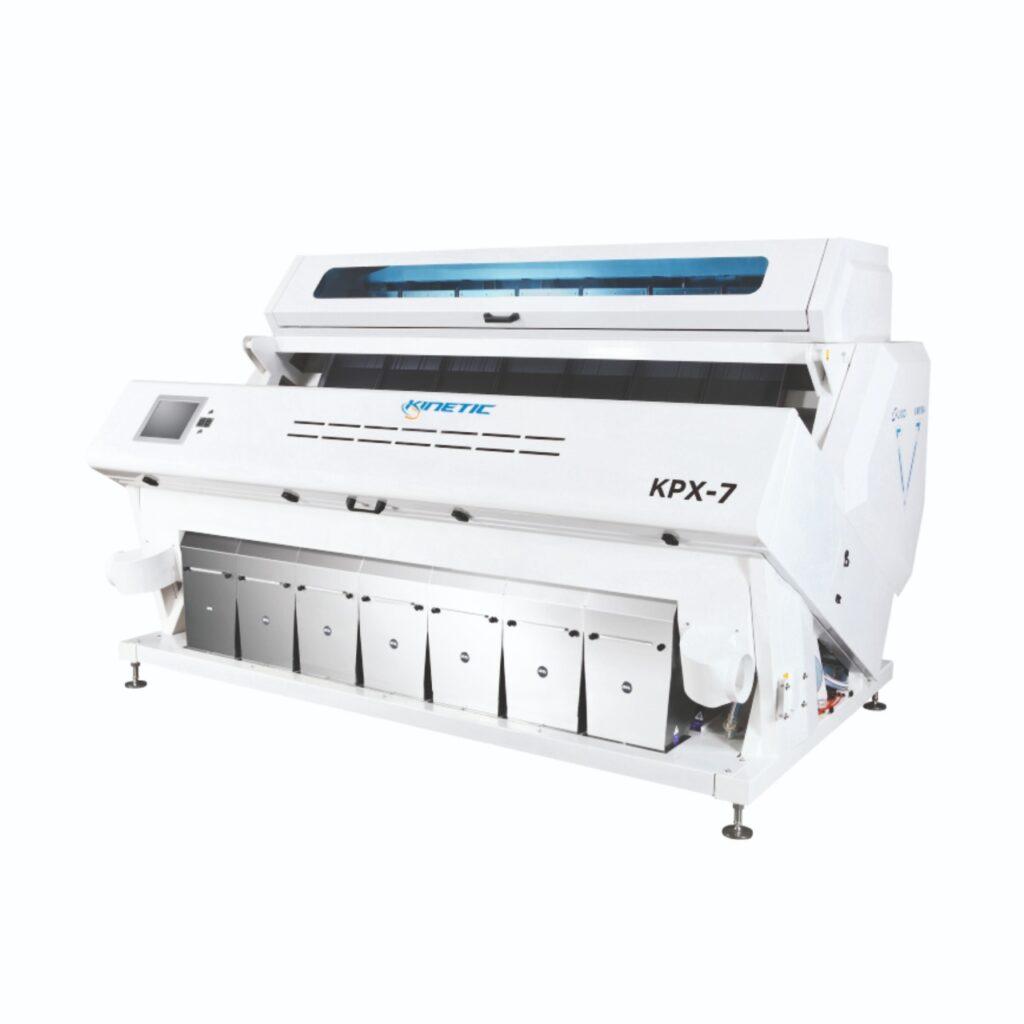
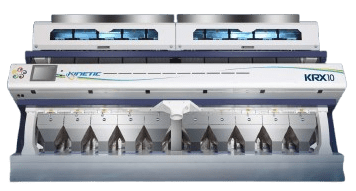
- Color Sorter – Detects and removes discolored or defective grains.
- Paddy Dryer – Ensures proper moisture level before milling.
- Parboiling Unit – Used for parboiled rice production.
- Packaging Machine – For hygienic, automated bagging of rice.
3. Factors to Consider Before Buying Rice Mill Machines
✅ Production Capacity
- Estimate your daily/monthly rice output requirement.
- Match machine capacity with your market demand.
✅ Quality of Rice Output
- Machines with advanced polishers, graders, and color sorters deliver premium quality rice that fetches higher prices.
✅ Energy Efficiency
- Opt for energy-efficient models to reduce operating costs in the long run.
✅ Automation Level
- Fully automated mills save time and labor, but require higher initial investment.
- Semi-automatic may suit smaller businesses.
✅ Space & Infrastructure
- Ensure adequate space, power supply, and layout design before installation.
✅ Maintenance & After-Sales Support
- Choose a supplier that offers reliable service, spare parts availability, and operator training.
✅ Cost & ROI
- Compare upfront investment with long-term benefits.
- A higher-quality machine might seem expensive, but it reduces losses and boosts profits.
✅ Brand Reputation & Technology
- Go for trusted brands with proven technology, a track record of installations, and strong customer testimonials.
Conclusion
Investing in the right rice mill machines can transform your business by enhancing quality, reducing waste, and improving profitability. Whether you’re setting up a mini rice mill for local operations or a fully integrated plant for large-scale exports, choosing wisely ensures long-term success.
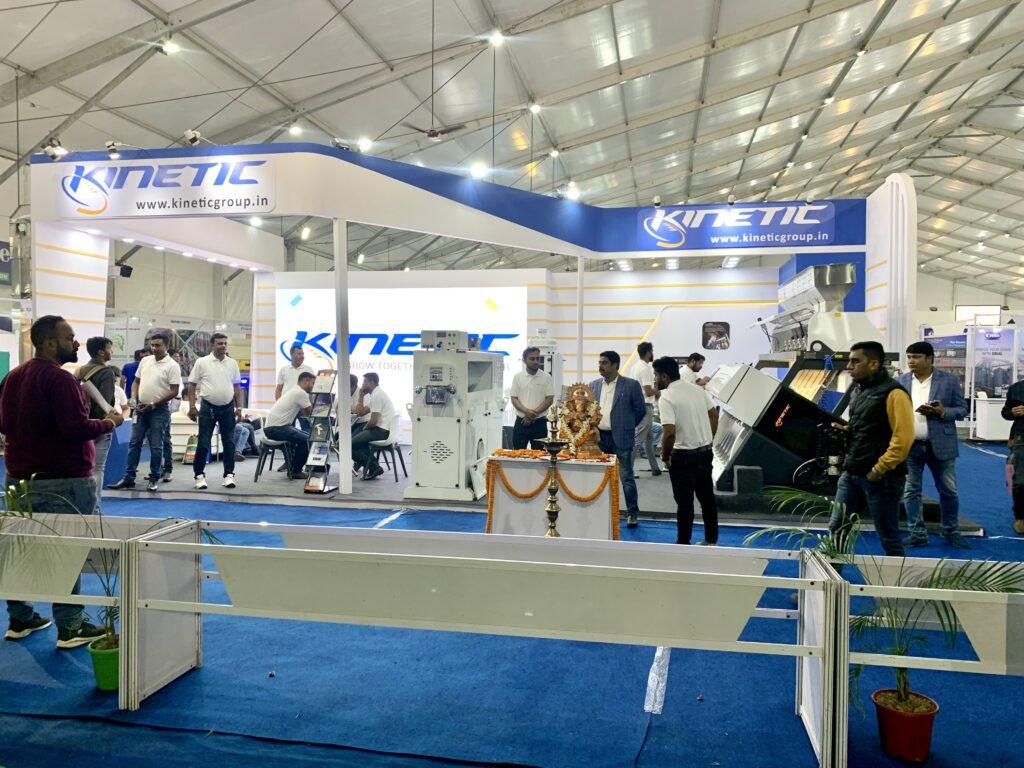
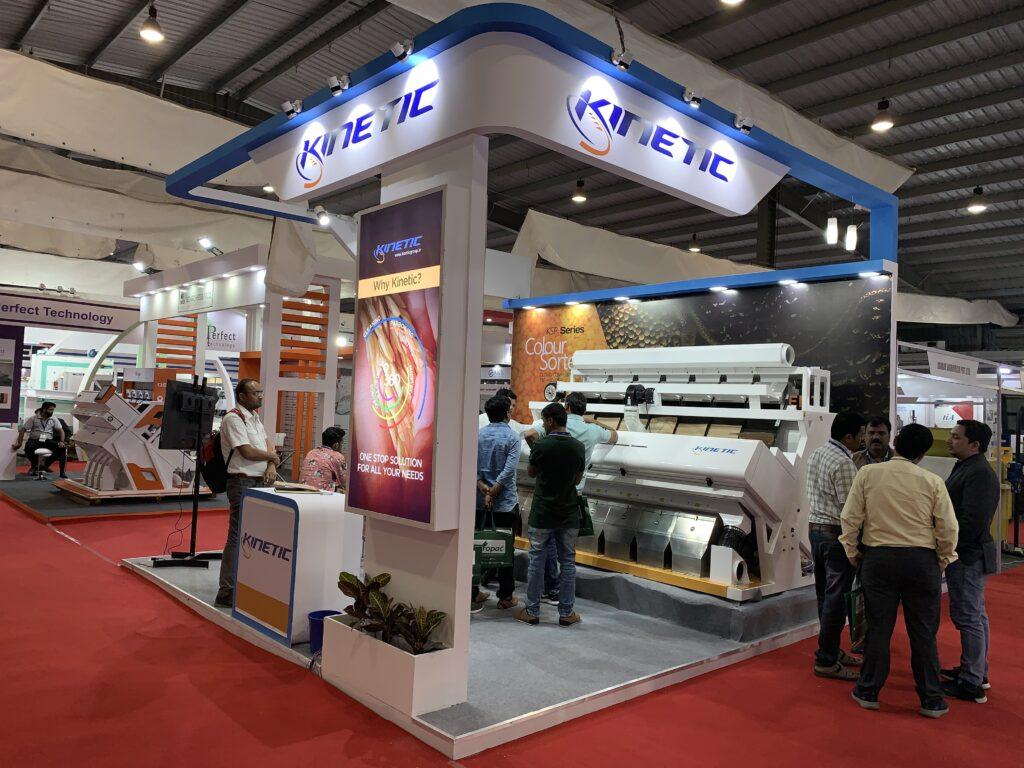
At Kinetic Group, we have successfully installed 1400+ color sorter machines and multiple rice milling plants across India. With cutting-edge technology, expert support, and tailor-made solutions, we help businesses scale with confidence.
Ready to upgrade your rice mill? Contact our team today to get expert consultation and customized solutions for your milling needs.