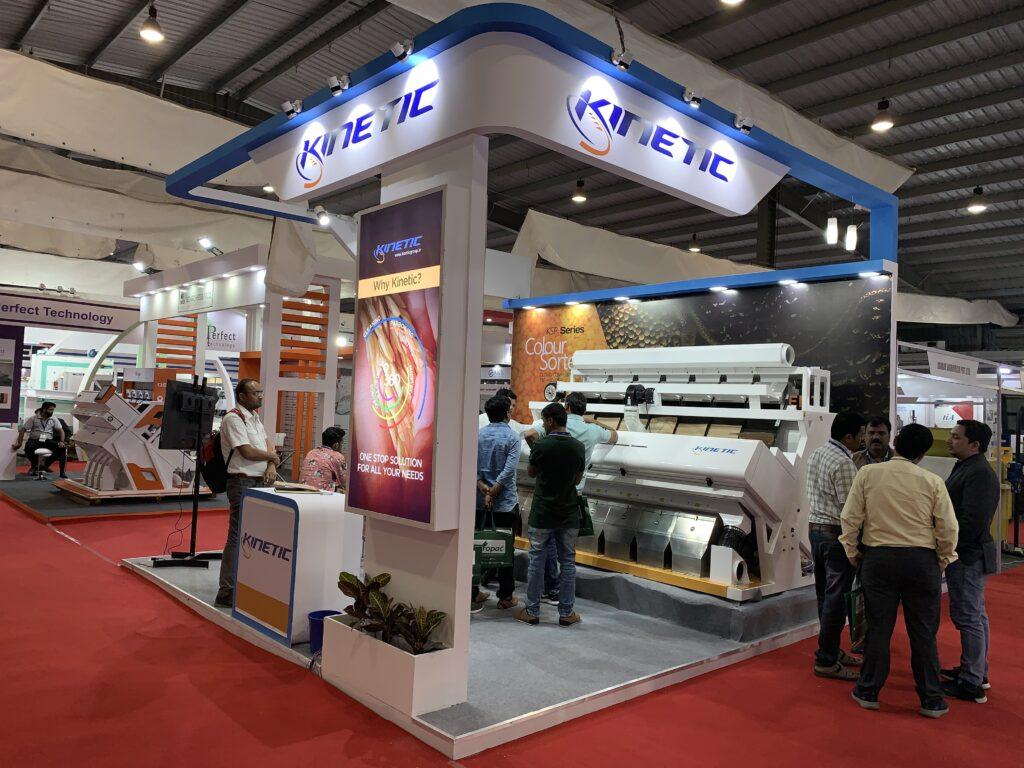

Rice Mill Business Problems
The rice mill business is a vital part of the food processing industry, providing an essential staple to millions. However, like any business, it comes with its own set of challenges. Understanding these issues and implementing practical solutions can help entrepreneurs run a smooth, profitable operation.
1. Poor Quality of Raw Paddy
Problem: Rice quality depends heavily on the quality of paddy received. Impurities, moisture, and broken grains can reduce the yield and quality of rice.
Solution:
- Source paddy from trusted suppliers.
- Implement a quality check system before processing.
- Use pre-cleaning equipment to remove stones, dust, and other impurities.
2. Inefficient Machinery
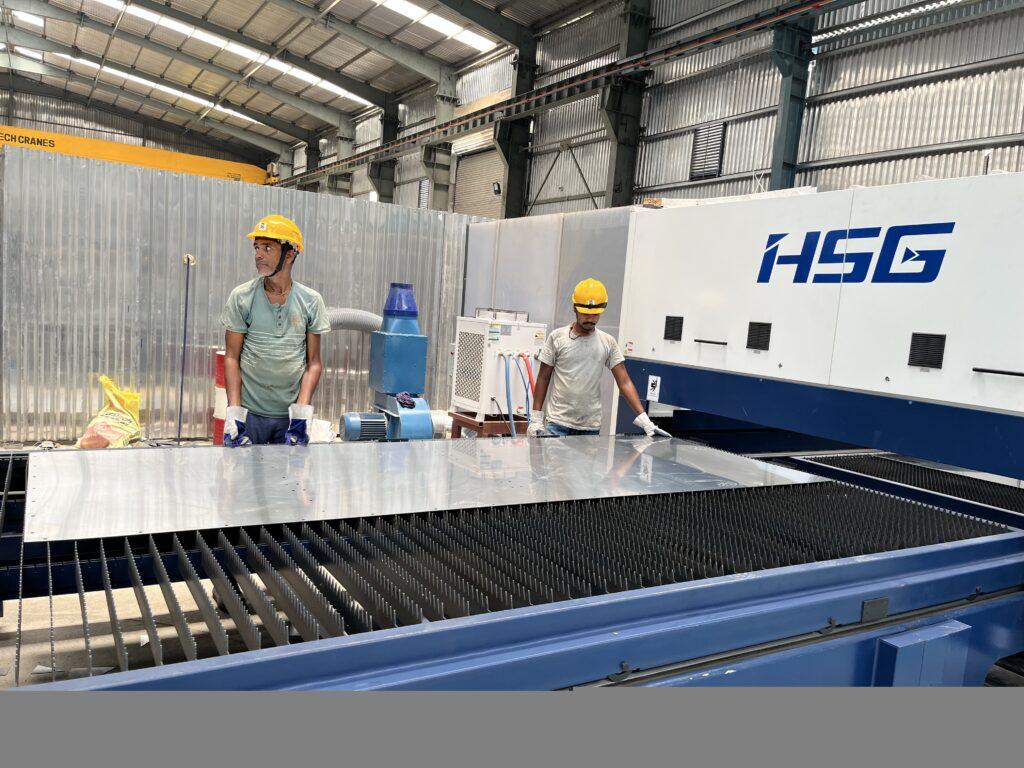
Problem: Outdated or poorly maintained machines can cause low productivity, frequent breakdowns, and higher production costs.
Solution:
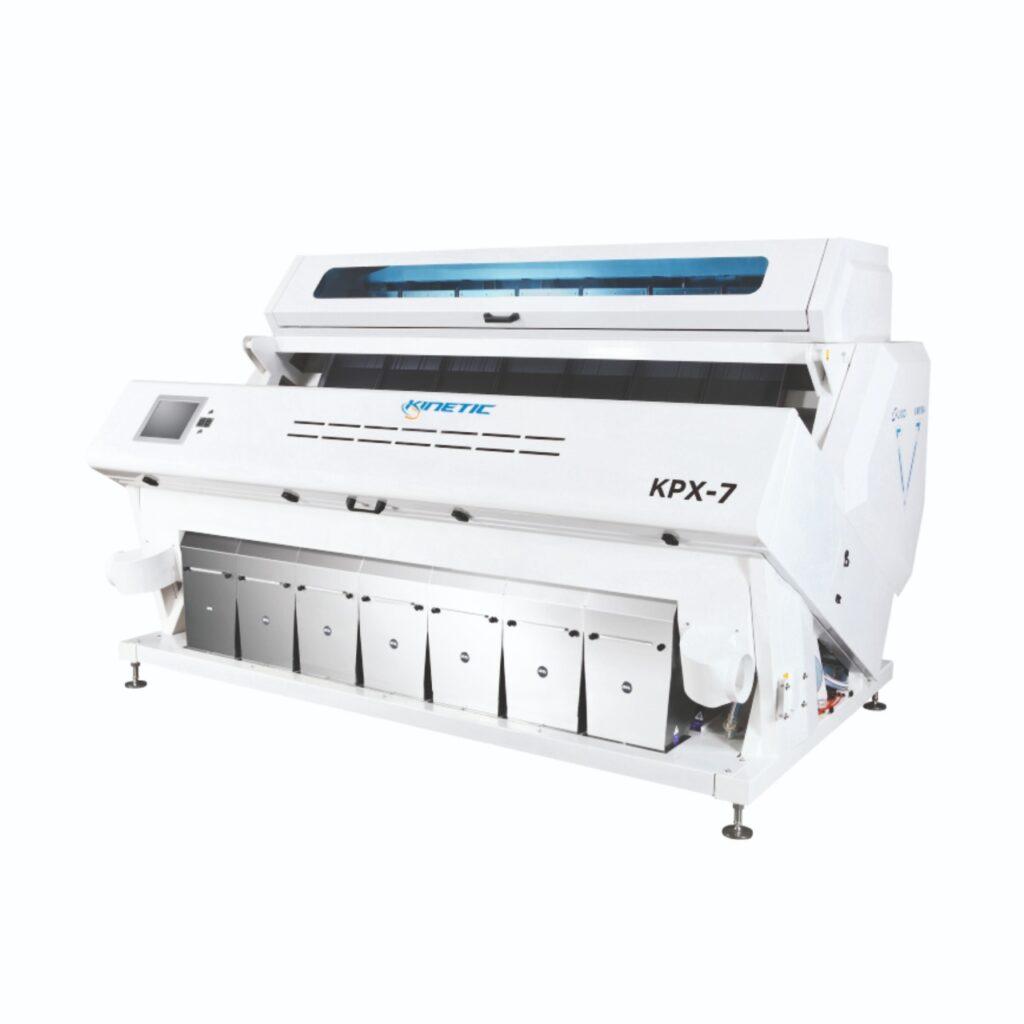
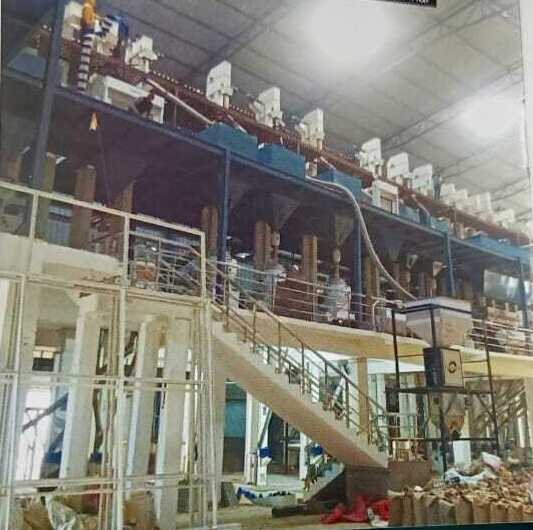
- Invest in modern rice milling machinery suitable for your capacity.
- Schedule regular maintenance and lubrication to avoid downtime.
- Train staff on proper machine operation to prevent misuse.
3. High Energy Costs
Problem: Rice milling consumes significant electricity, increasing operational costs.
Solution:
- Use energy-efficient motors and machinery.
- Schedule production during off-peak electricity hours if possible.
- Consider renewable energy sources like solar to reduce dependency on grid electricity.
4. Excess Broken Rice
Problem: A high percentage of broken rice reduces market value and affects brand reputation.
Solution:
- Adjust husking and milling processes carefully to minimize grain breakage.
- Maintain proper moisture levels in paddy before milling.
- Regularly check and calibrate machines.
5. Storage and Pest Problems
Problem: Improper storage can lead to pest infestation, moisture damage, and loss of inventory.
Solution:
- Store rice and paddy in a clean, dry, and ventilated area.
- Use airtight containers or silos where possible.
- Regularly inspect stock for pests and apply safe pest control methods.
6. Skilled Labor Shortage
Problem: Lack of trained personnel can affect production efficiency and product quality.
Solution:
- Hire experienced operators and technicians.
- Conduct regular training programs for staff.
- Encourage knowledge sharing and hands-on practice with machinery.
7. Regulatory Compliance
Problem: Food safety regulations, pollution norms, and licensing requirements must be followed; non-compliance can lead to fines or shutdowns.
Solution:
- Keep up-to-date with government regulations.
- Obtain necessary licenses and certifications.
- Maintain hygiene standards and proper waste management.
8. Market Competition & Pricing Pressure
Problem: Competing rice mills can reduce profit margins and affect sales.
Solution:
- Focus on producing high-quality rice that meets customer expectations.
- Diversify product lines (e.g., premium rice, parboiled rice, organic rice).
- Build strong relationships with wholesalers, retailers, and consumers.
Conclusion
Running a successful rice mill business requires careful planning, modern equipment, skilled labor, and adherence to quality standards. By identifying common problems early and implementing effective solutions, mill owners can ensure high-quality output, reduced losses, and sustainable growth in a competitive market.
At Kinetic, we are committed to providing advanced rice milling solutions that help businesses overcome these challenges and achieve excellence in production.