
Paddy Rice Processing Technology
Paddy rice is one of the world’s staple foods, and its processing technology has evolved significantly in recent years to meet increasing demand, ensure better quality, and reduce post-harvest losses. Modern innovations in paddy processing focus on automation, efficiency, and sustainability.
1. Modern Milling Techniques
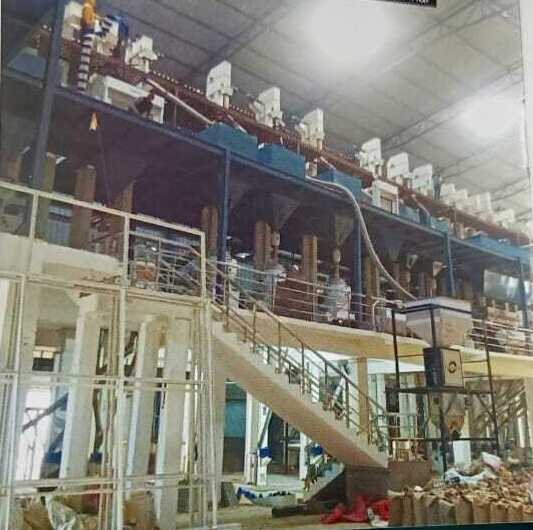
Traditionally, rice milling involved multiple manual steps, including hulling, polishing, and grading. Today, advanced milling technologies use automated rice mills that combine hulling, whitening, and polishing in a single line. Modern micronization and abrasion techniques ensure minimal grain breakage and higher head rice yield, maintaining nutritional quality.
2. Automation and Robotics
Automation has transformed paddy processing with computer-controlled machines, which regulate milling pressure, speed, and temperature. Robotics is increasingly used for packaging, sorting, and quality inspection, reducing human error and improving operational efficiency.
3. Improved Grading and Sorting
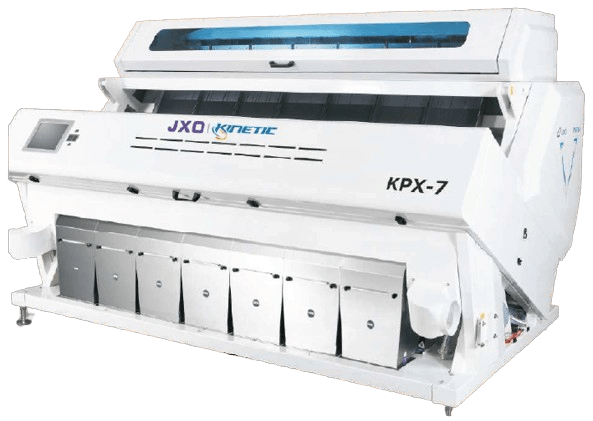
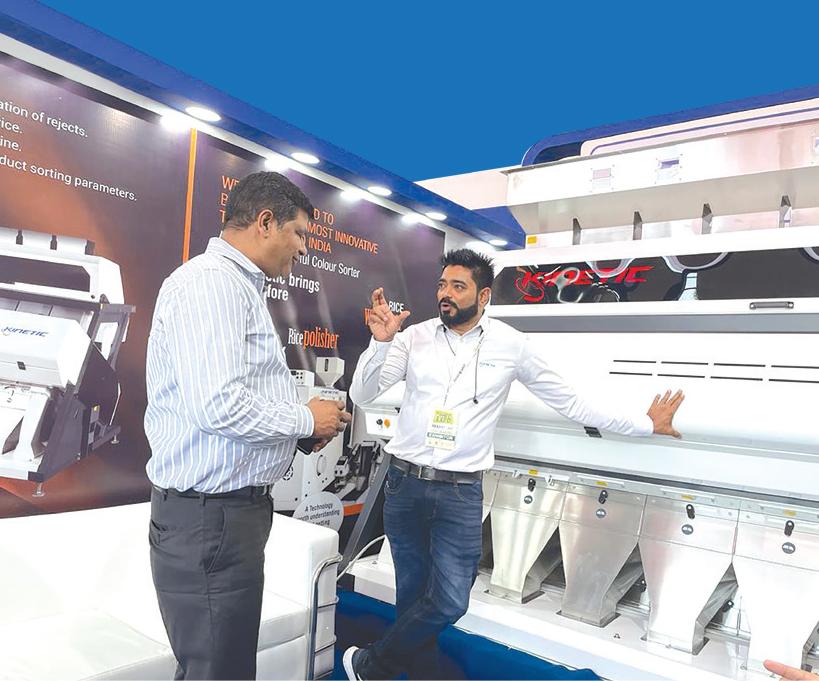
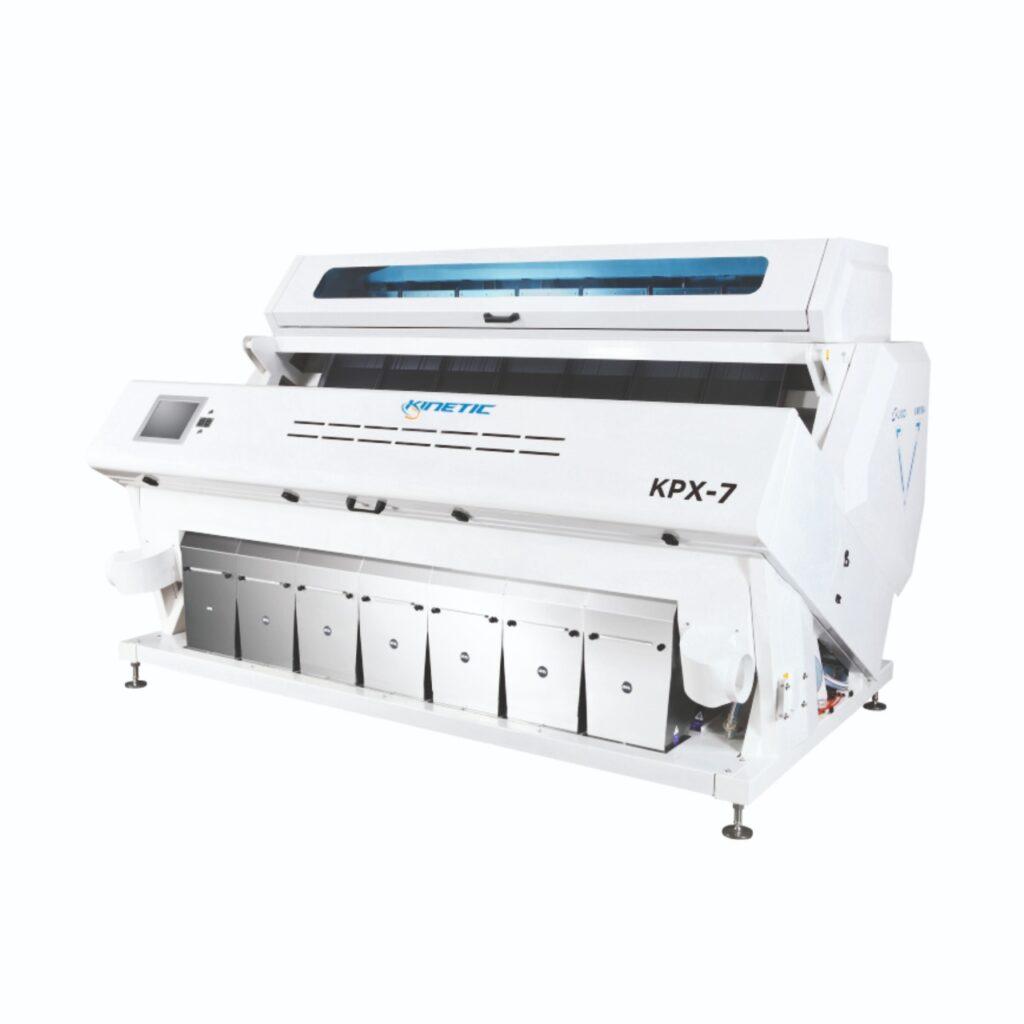
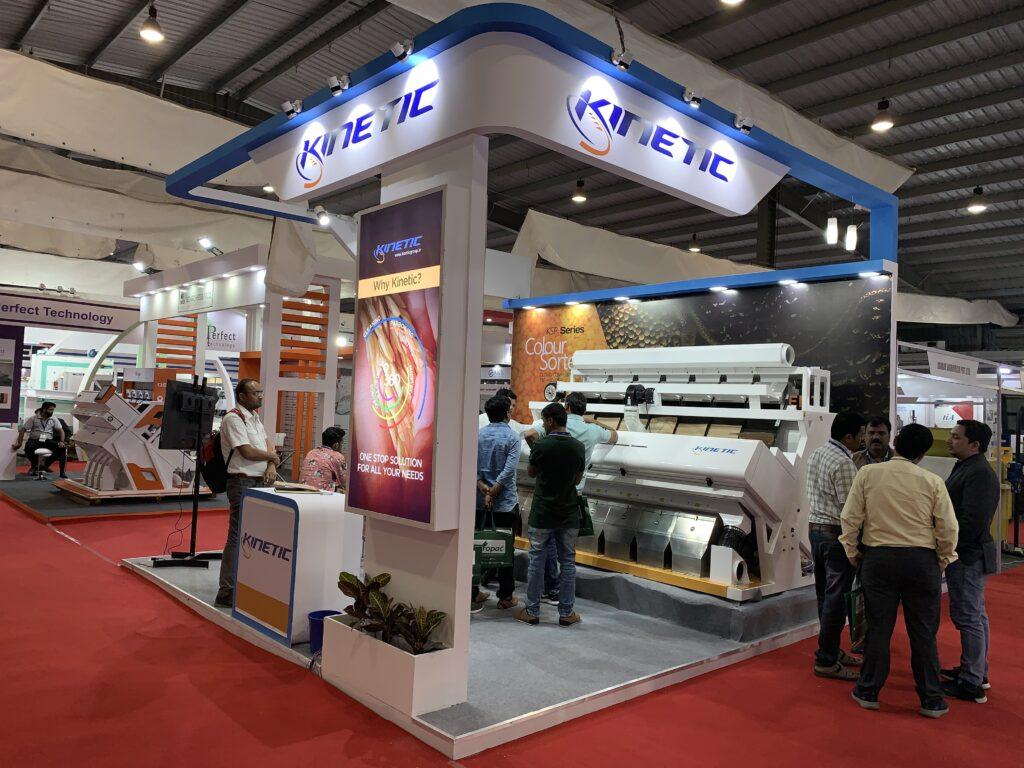
Modern rice mills employ optical sorters, color sorters, and vibration-based graders to classify rice by size, color, and quality. These technologies help remove impurities, broken grains, and discolored rice, enhancing the final product’s market value.
4. Parboiling and Steam Technologies
Parboiling is now carried out using vacuum or hydrothermal techniques, which improve rice nutrition, reduce breakage during milling, and enhance shelf life. Recent innovations in parboiling equipment allow for uniform heat treatment, retaining essential vitamins and minerals.
5. Energy-efficient and Eco-friendly Solutions
Recent years have seen a shift toward energy-efficient milling machines that reduce fuel consumption and emissions. Many rice mills now use biomass and solar-powered systems, contributing to sustainability and reducing operational costs.
6. Quality Control and Traceability
With global trade increasing, traceability and quality control are crucial. Modern processing lines integrate IoT sensors, moisture meters, and online monitoring systems to maintain consistent rice quality and compliance with international standards.
7. Integration of Storage and Handling
Recent advances in paddy storage, including aerated silos, temperature-controlled warehouses, and automated conveyors, ensure that grains are preserved from harvest to milling. These systems prevent pest infestation and reduce post-harvest losses.
Conclusion
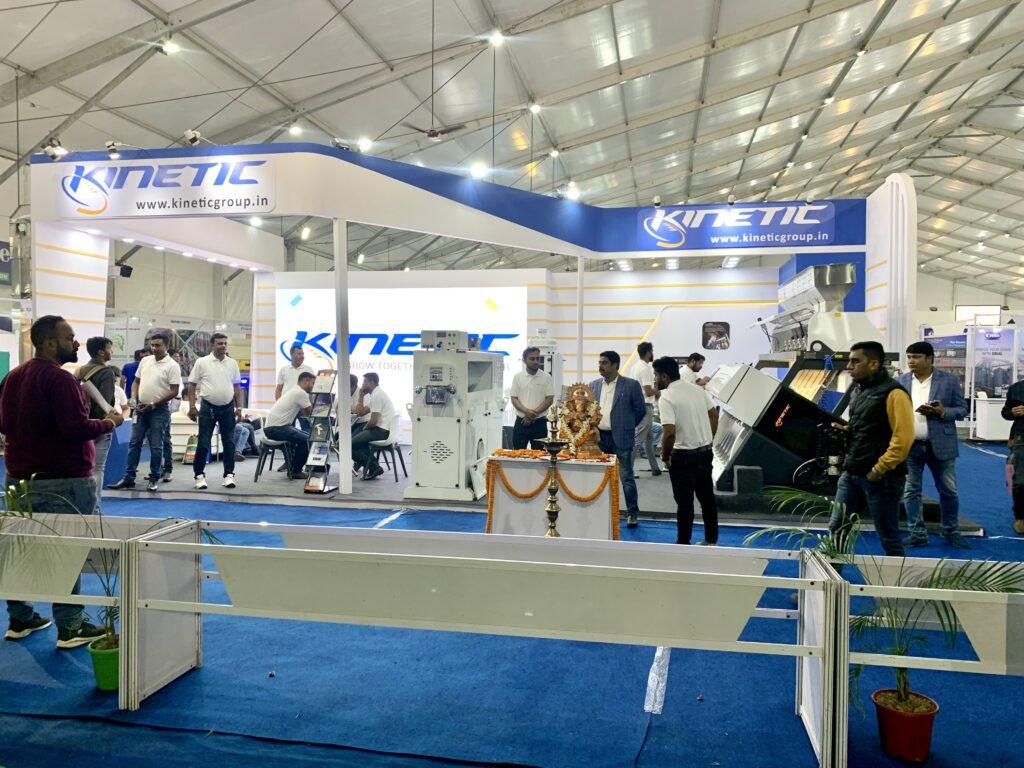
Paddy rice processing technology has significantly evolved, combining automation, energy efficiency, and quality control to meet modern demands. Innovations like optical sorting, parboiling improvements, and IoT-enabled monitoring are making rice production more efficient, sustainable, and profitable for producers worldwide. Companies like Kinetic are leading the way by providing cutting-edge rice milling solutions that enhance quality and streamline operations for rice processors across India.