
Rice Mill Efficiency Improvement
Increasing the production of a rice mill is essential for improving profitability, meeting market demand, and enhancing operational efficiency. While rice milling may seem straightforward, optimizing every step of the process—from paddy handling to polishing—can significantly boost output and quality. Here are proven strategies to increase your rice mill’s production.
1. Upgrade Machinery and Technology
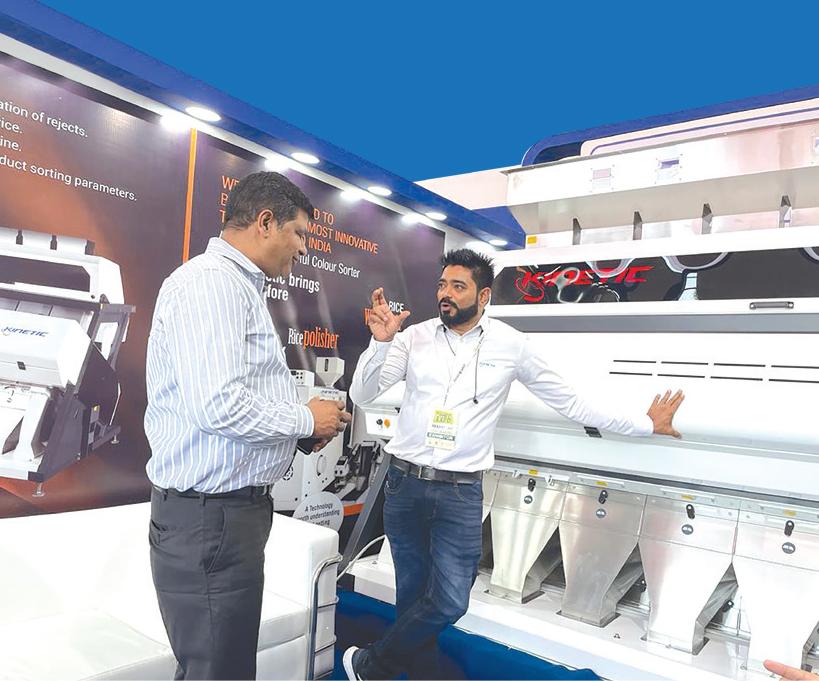
Modern rice milling machines are designed for higher efficiency, minimal breakage, and better recovery rates. Upgrading older equipment to advanced models such as:
- High-capacity de-stoners and separators
- Improved huskers and polishers
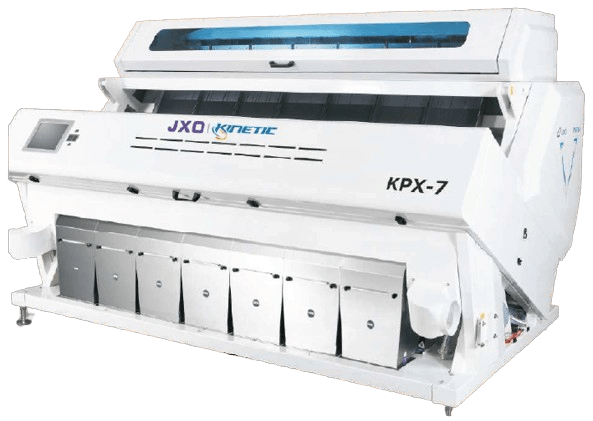
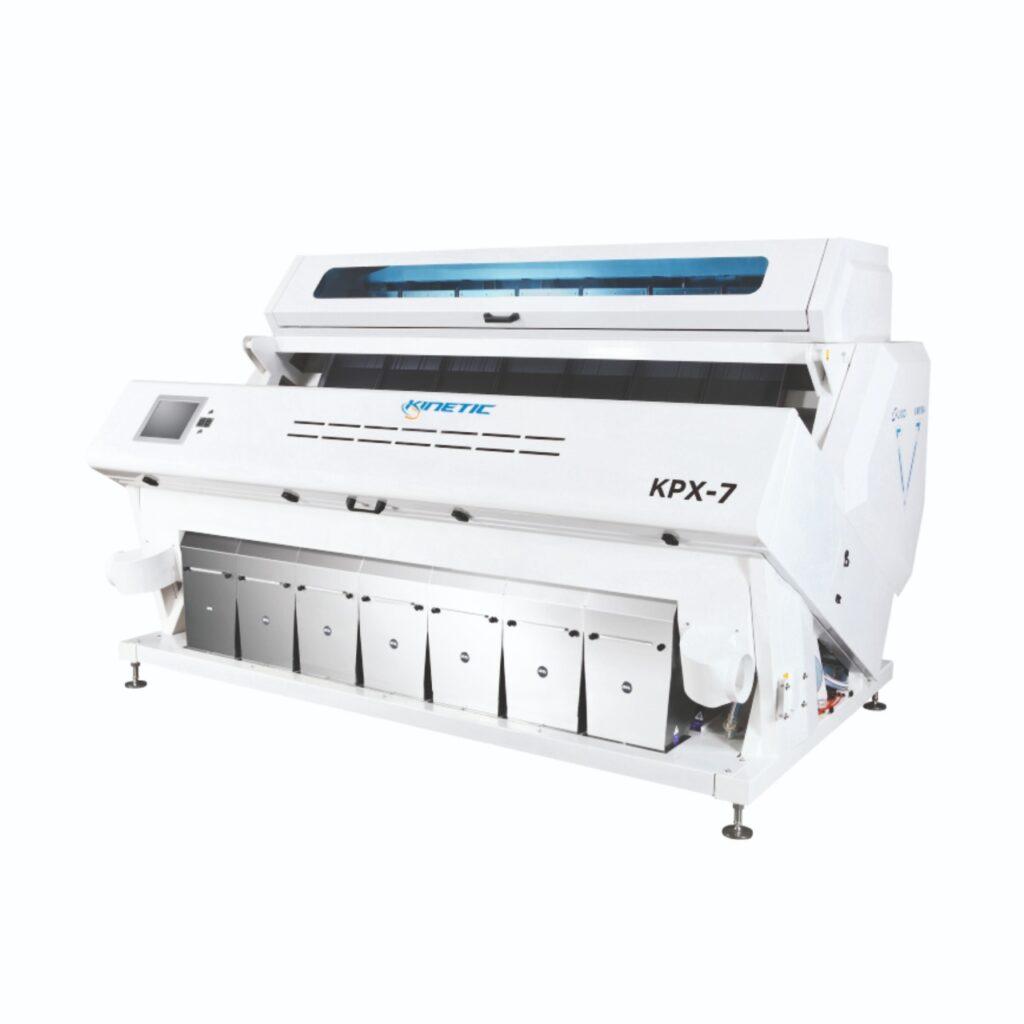
- Automatic graders and sorters
can dramatically increase throughput while reducing wastage.
2. Optimize Milling Parameters
Adjusting milling parameters according to the type and quality of paddy is crucial:
- Set husking pressure and speed correctly to reduce broken rice.
- Adjust polishing intensity to retain maximum grains while achieving desired whiteness.
- Ensure consistent temperature and moisture content for smooth operation.
3. Maintain Equipment Regularly
A well-maintained mill runs efficiently and reduces downtime. Key maintenance steps include:
- Lubricating moving parts and bearings
- Checking belts, pulleys, and motors for wear
- Cleaning sieves and screens regularly to avoid blockages
Preventive maintenance ensures machinery operates at peak efficiency and avoids production losses.
4. Improve Paddy Quality
High-quality paddy contributes directly to higher yield:
- Store paddy in a dry, clean, and ventilated area
- Remove stones, dust, and other impurities before milling
- Use paddy with optimal moisture content (12–14%) to avoid breakage
Better raw material leads to less waste and higher finished rice recovery.
5. Train Staff Effectively
Skilled operators can make a significant difference in production:
- Train staff to handle machinery efficiently
- Educate operators about grain handling, speed adjustment, and quality checks
- Encourage a culture of safety and timely reporting of mechanical issues
6. Streamline Workflow
An organized workflow reduces bottlenecks:
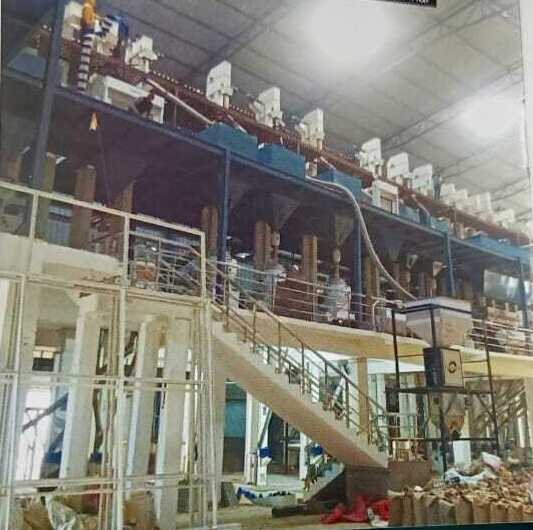
- Implement proper paddy storage, transport, and feeding systems
- Separate grading, milling, and packaging stations to avoid overlap
- Use automation where possible to reduce manual errors
7. Energy Management
Efficient energy use reduces costs and ensures continuous operation:
- Monitor electricity consumption of motors and machines
- Consider using energy-efficient motors and drives
- Maintain optimal power supply to avoid frequent stops and losses
8. Monitor and Analyze Production
Regular monitoring helps identify areas for improvement:
- Track daily milling output vs. input
- Analyze breakage rates, recovery percentages, and downtime
- Use data to implement corrective measures and improve efficiency
Conclusion:
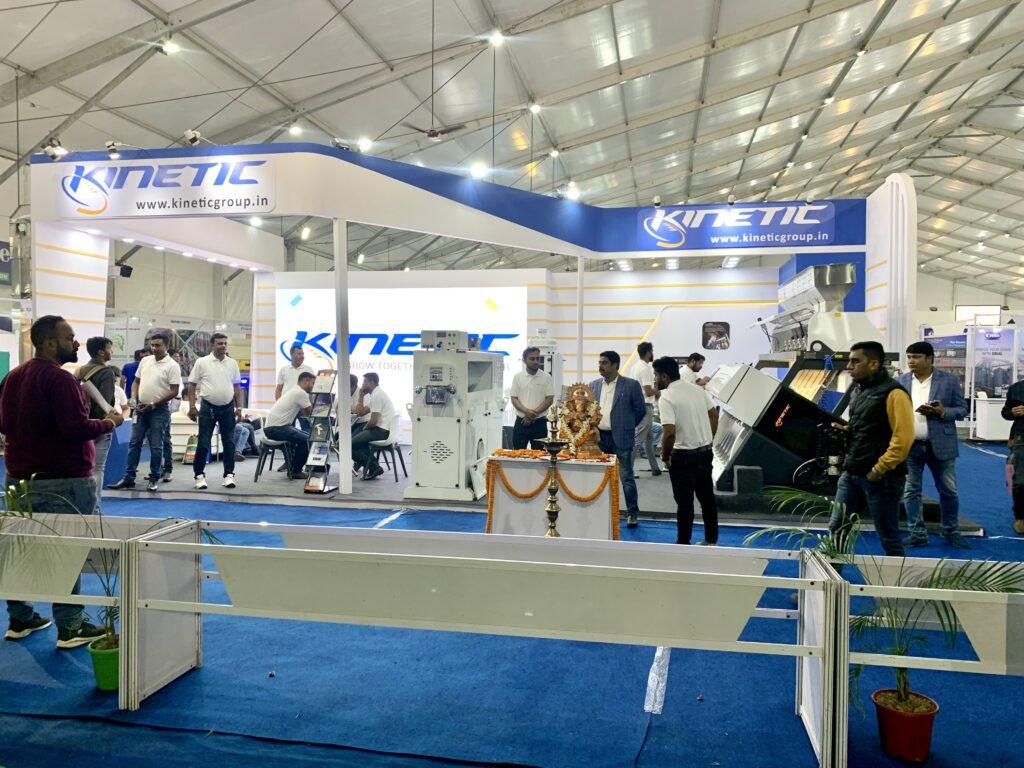
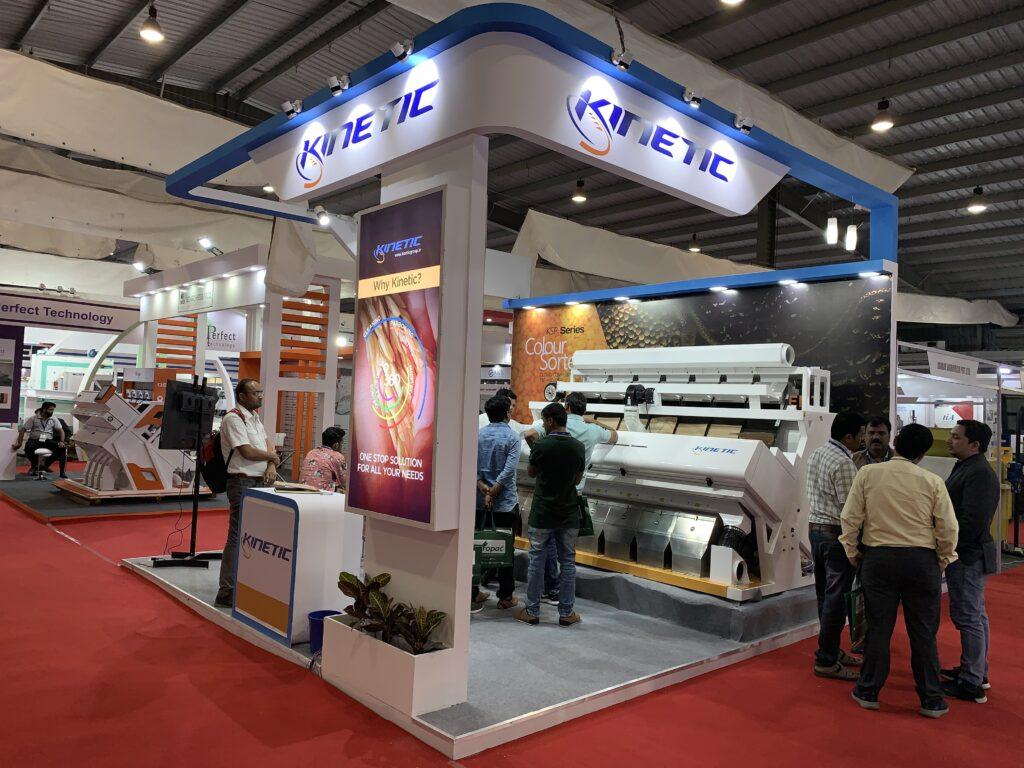
Boosting your rice mill’s production requires a combination of upgraded machinery, high-quality paddy, skilled operators, and optimized processes. By implementing these strategies, mill owners can increase throughput, reduce wastage, and enhance profitability while maintaining high-quality rice standards. Partnering with Kinetic, which offers advanced rice milling machinery and complete solutions, ensures your mill achieves maximum efficiency, consistent performance, and long-term growth.