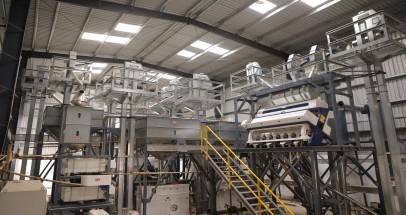
Energy-Efficient Rice Milling
Rice milling is a critical process in the agriculture and food industry, but it can also be energy-intensive, leading to high operational costs and environmental concerns. As the demand for sustainable practices grows, adopting energy-efficient solutions in rice milling has become essential for both profitability and environmental stewardship.
Here’s how rice mill operators can optimize energy use while maintaining high productivity.
1. Upgrade to Modern, Energy-Efficient Machinery
Older rice milling machines often consume more energy due to outdated technology. Investing in modern, energy-efficient machinery can:
- Reduce electricity consumption significantly
- Improve milling efficiency and output quality
- Minimize maintenance costs
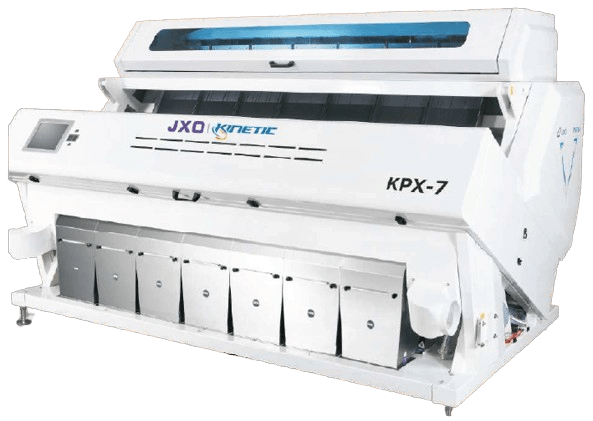
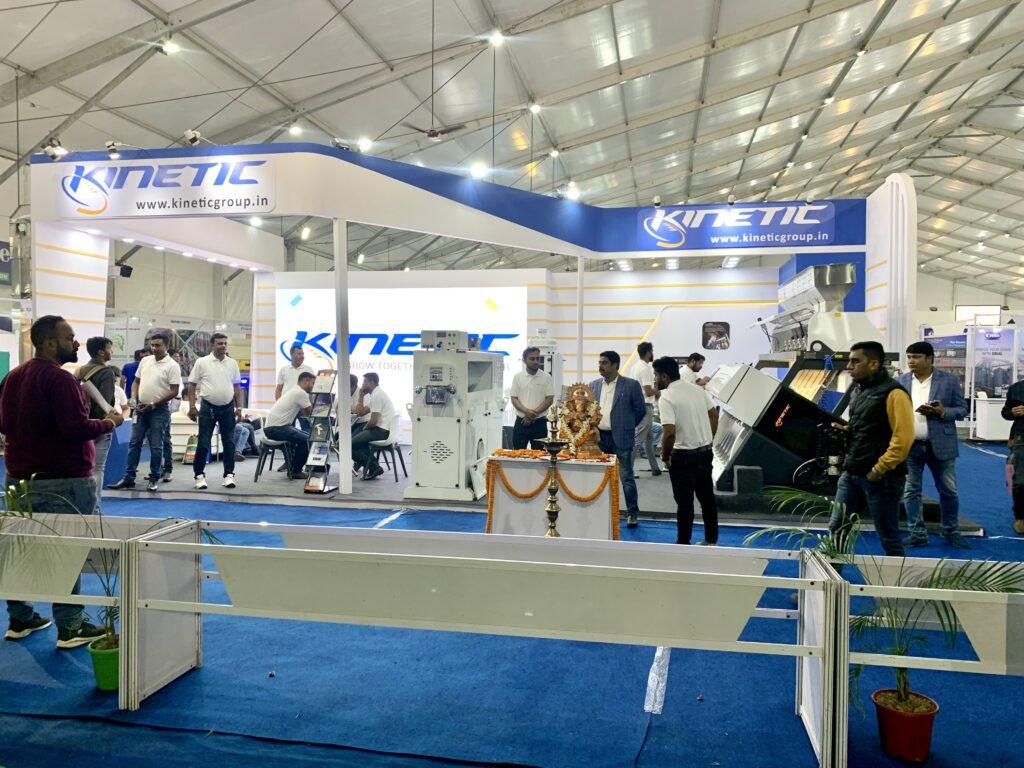
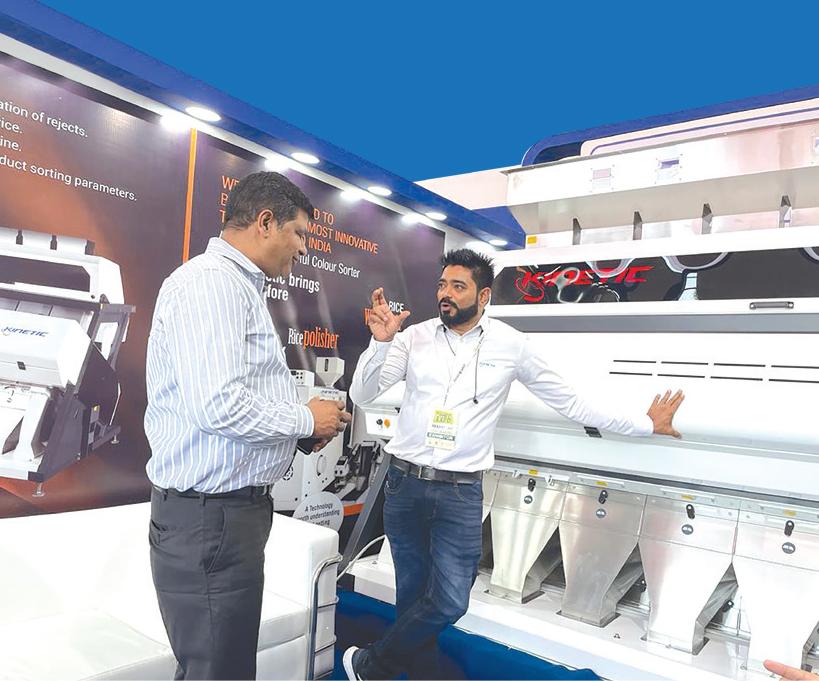
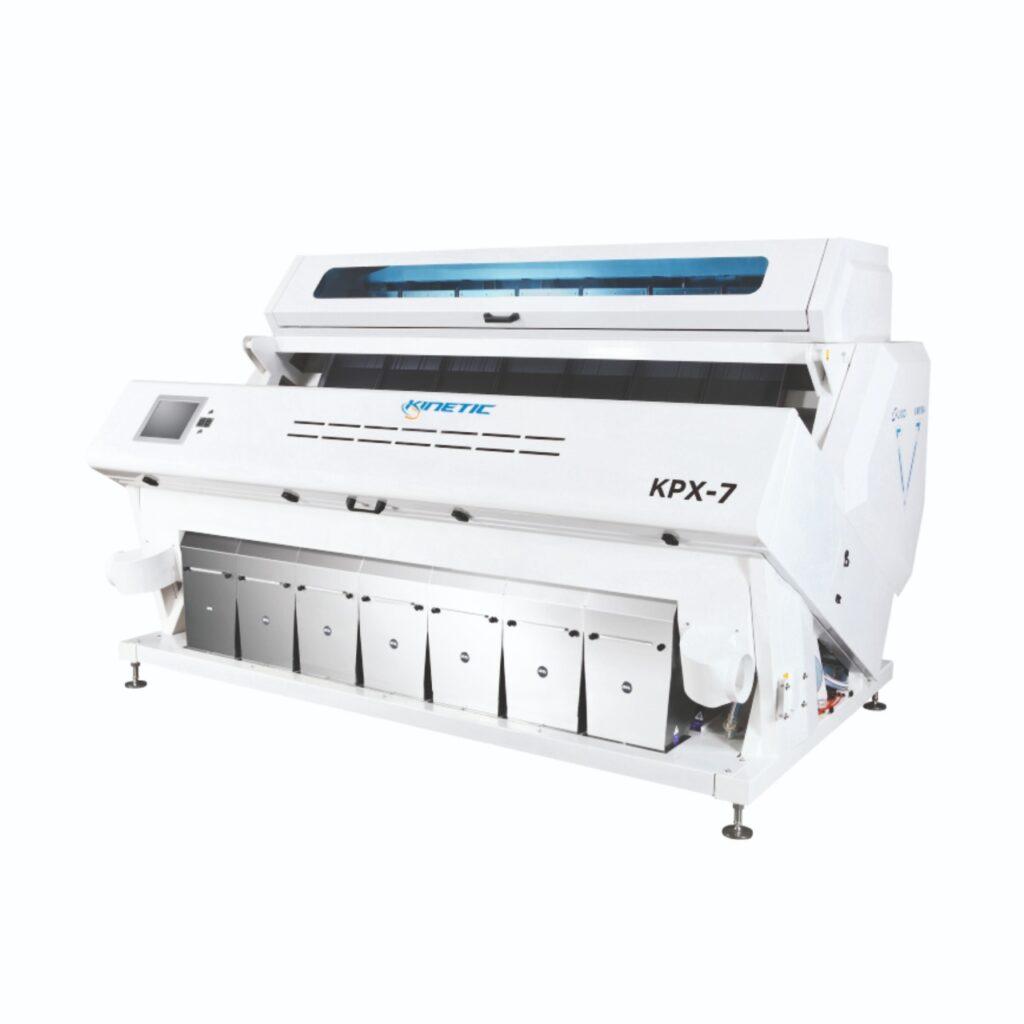
Companies like Kinetic Group provide state-of-the-art rice milling machines designed with energy efficiency in mind.
2. Implement Automation and Smart Controls
Automation systems and smart sensors help optimize energy usage by adjusting operations based on real-time demand. Benefits include:
- Preventing overuse of motors and equipment
- Reducing idle running time
- Enhancing consistency in milling processes
Automated systems not only save energy but also improve overall productivity.
3. Optimize the Milling Process
Streamlining the milling process ensures energy is used effectively. Consider the following:
- Use pre-cleaning systems to remove impurities before milling
- Maintain optimal moisture levels in rice to reduce energy needed for drying
- Implement multi-stage milling to maximize efficiency
By refining each step, rice mills can achieve lower energy consumption and better quality output.
4. Utilize Energy Recovery Solutions
Some rice mills incorporate energy recovery systems to capture waste heat or mechanical energy from operations. Applications include:
- Heating drying chambers using recovered heat
- Powering auxiliary equipment with recovered energy
This approach not only saves energy but also reduces greenhouse gas emissions, contributing to sustainability goals.
5. Regular Maintenance for Efficiency
Proper and timely maintenance of milling machinery ensures optimal performance:
- Clean and lubricate machinery to reduce friction
- Replace worn-out parts to maintain efficiency
- Regularly calibrate sensors and automated systems
Maintaining equipment prolongs its life and reduces unnecessary energy wastage.
6. Train Staff on Energy-Saving Practices
Employee awareness is key to energy efficiency:
- Educate staff on best practices for operating machinery
- Encourage mindful energy use, like switching off idle equipment
- Promote a culture of sustainability within the milling operations
Engaged and informed staff contribute significantly to energy-saving initiatives.
Conclusion
Adopting energy-efficient solutions in rice milling is no longer optional—it’s a necessity for cost reduction and environmental responsibility. From upgrading machinery to implementing automation, optimizing processes, and promoting staff awareness, every step contributes to a more sustainable, productive, and profitable rice milling operation.
At Kinetic Group, we specialize in providing cutting-edge rice milling machinery and solutions designed to maximize efficiency, reduce energy consumption, and minimize environmental impact. Investing in energy-efficient technology today ensures a sustainable future for the rice milling industry.