
Mini Rice Milling Plant Setup
Rice is one of the most important staple foods in India, and small-scale rice milling has become a profitable business opportunity for farmers, entrepreneurs, and cooperatives. Setting up a mini rice milling plant not only adds value to paddy but also creates local employment and contributes to the food supply chain. In this guide, we will walk you through the step-by-step process of setting up your own mini rice milling plant.
Step 1: Understanding the Scope and Investment
Before starting, it’s essential to define the capacity and purpose of your mini rice mill:
- Capacity: Mini rice mills typically process 1–5 tons of paddy per hour, suitable for small communities or farmer groups.
- Investment: Costs vary depending on machinery, land, and infrastructure. A small setup may start from ₹20–40 lakhs.
- Target market: Decide whether your output will cater to local retailers, wholesalers, or direct consumers.
Tip: Consider a scalable setup so you can expand capacity as your business grows.
Step 2: Selecting the Right Location
The location of your mini rice milling plant is crucial:
- Proximity to paddy farms: Reduces transportation costs and ensures fresh raw material.
- Access to power and water supply: Rice milling machinery requires stable electricity and water for cleaning and parboiling.
- Space requirements: A mini rice mill typically needs 500–1000 sq. ft. for machinery, storage, and loading areas.
- Compliance: Check local zoning regulations and environmental permits.
Step 3: Choosing the Machinery
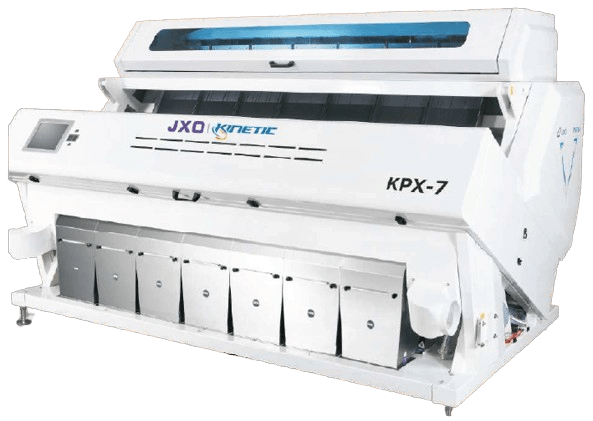
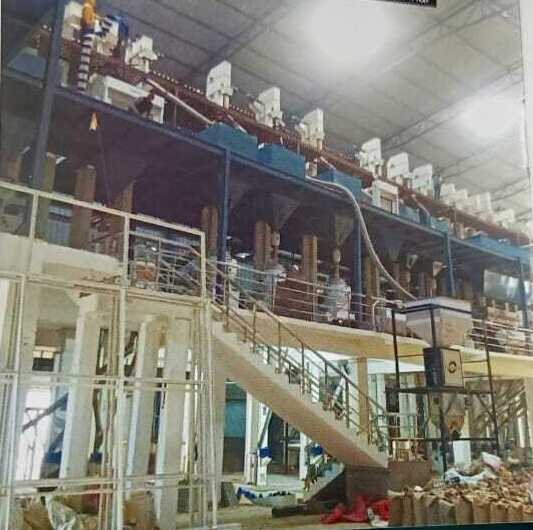
A mini rice milling plant requires key machinery for processing paddy into polished rice:
- Cleaning Machine – Removes dust, stones, and other impurities from raw paddy.
- Parboiling Unit (Optional) – Steams rice to improve nutritional quality and reduce breakage.
- Dehusking/Hulling Machine – Separates husk from brown rice.
- Paddy Separator – Ensures complete removal of unhusked paddy.
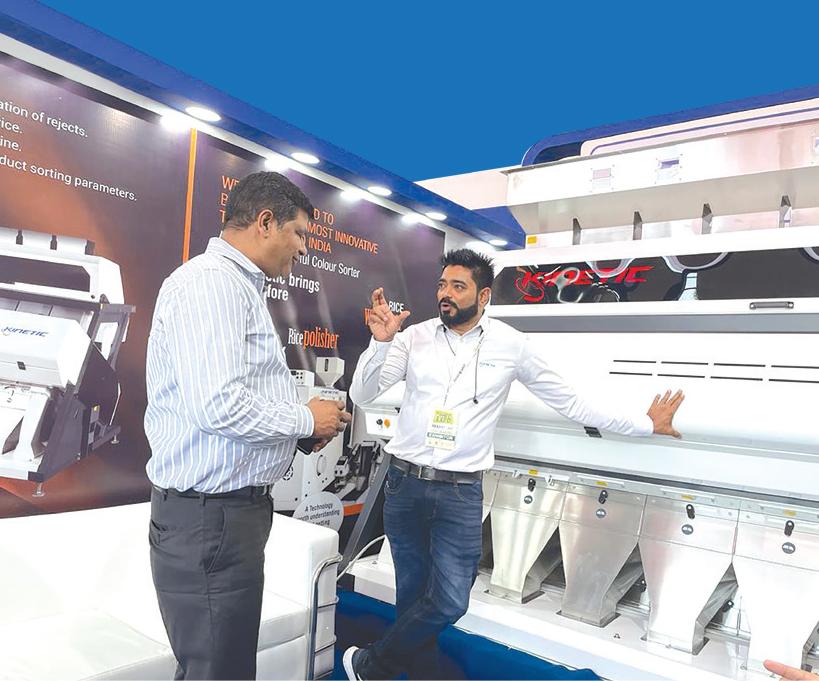
- Rice Whitener / Polisher – Converts brown rice into white polished rice.
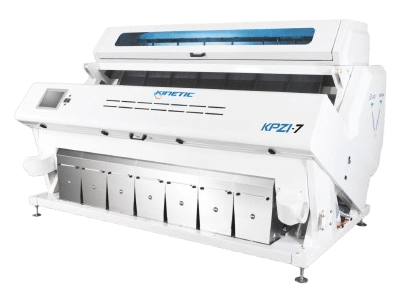
- Grading Machine – Sorts rice by size and quality.
- Packaging Unit – For bagging and labeling the final product.
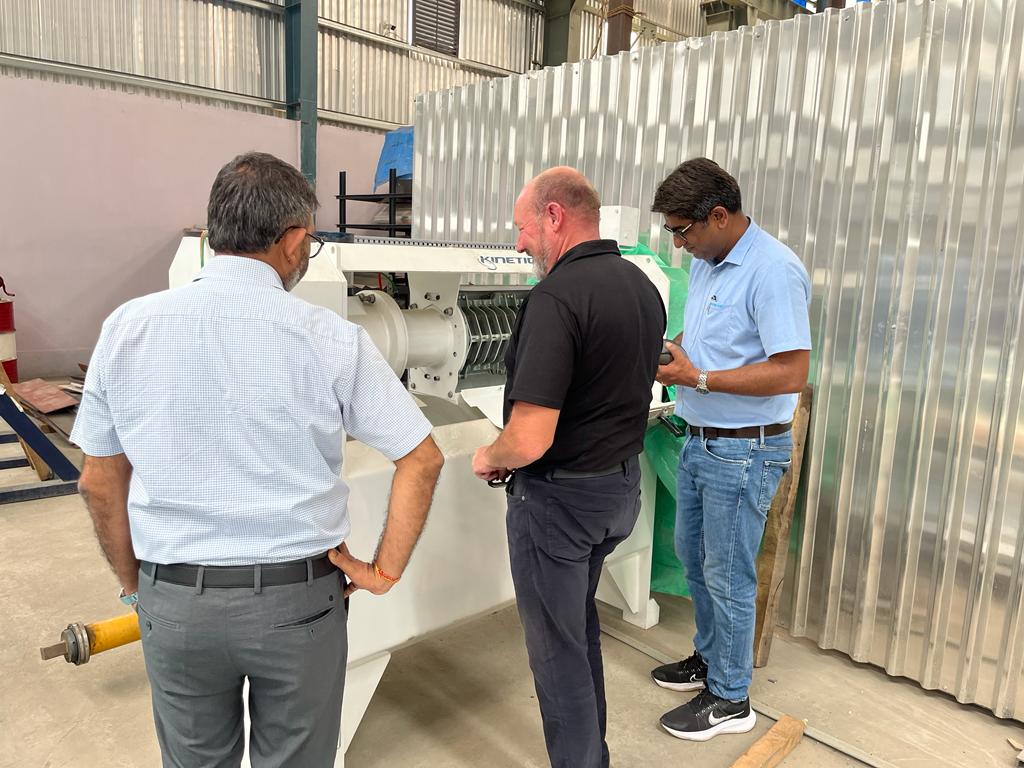
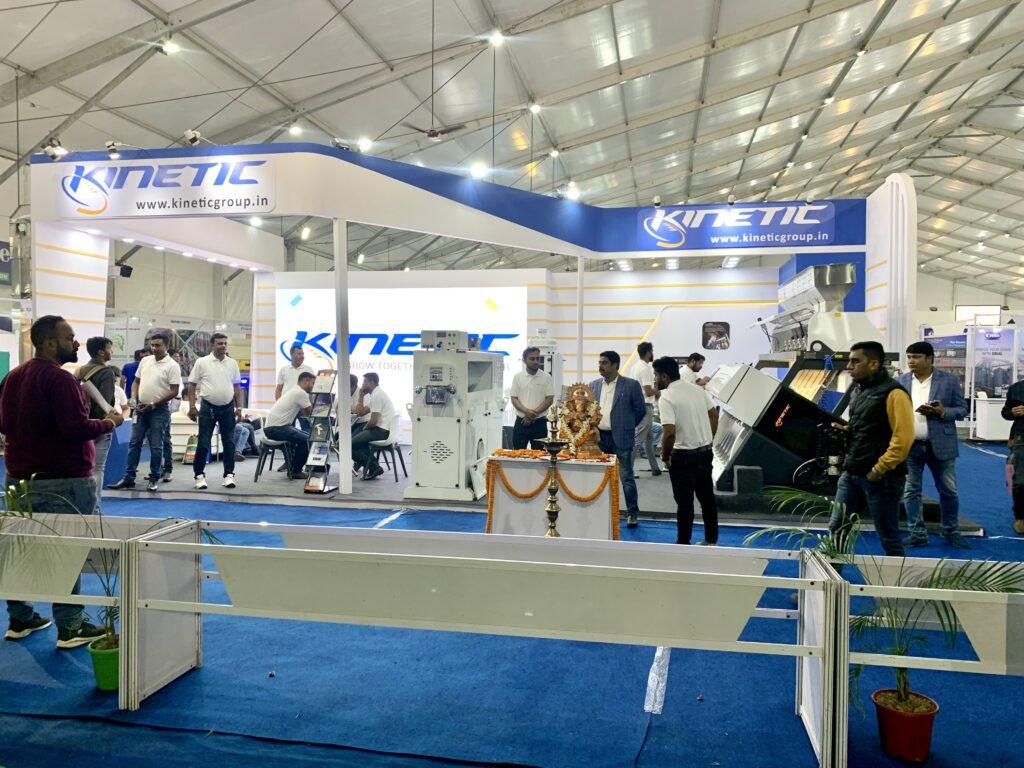
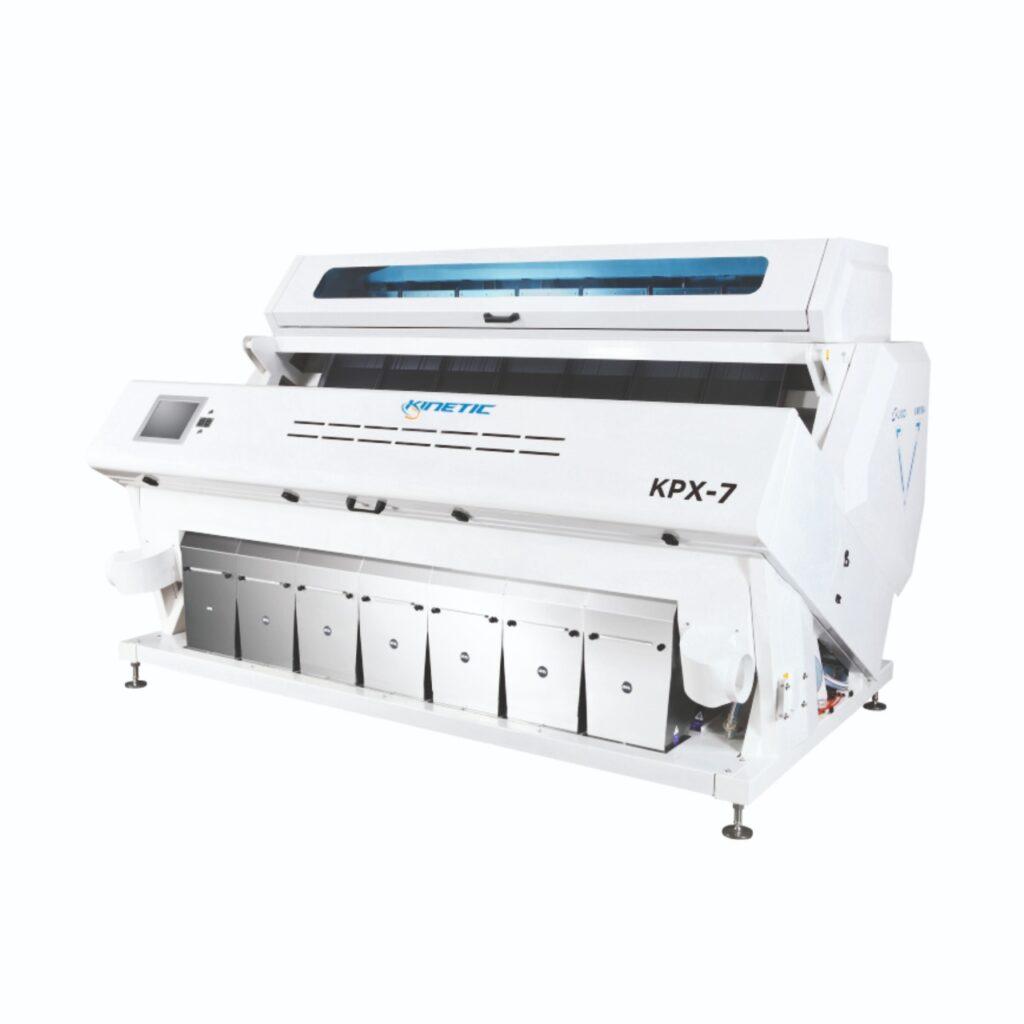
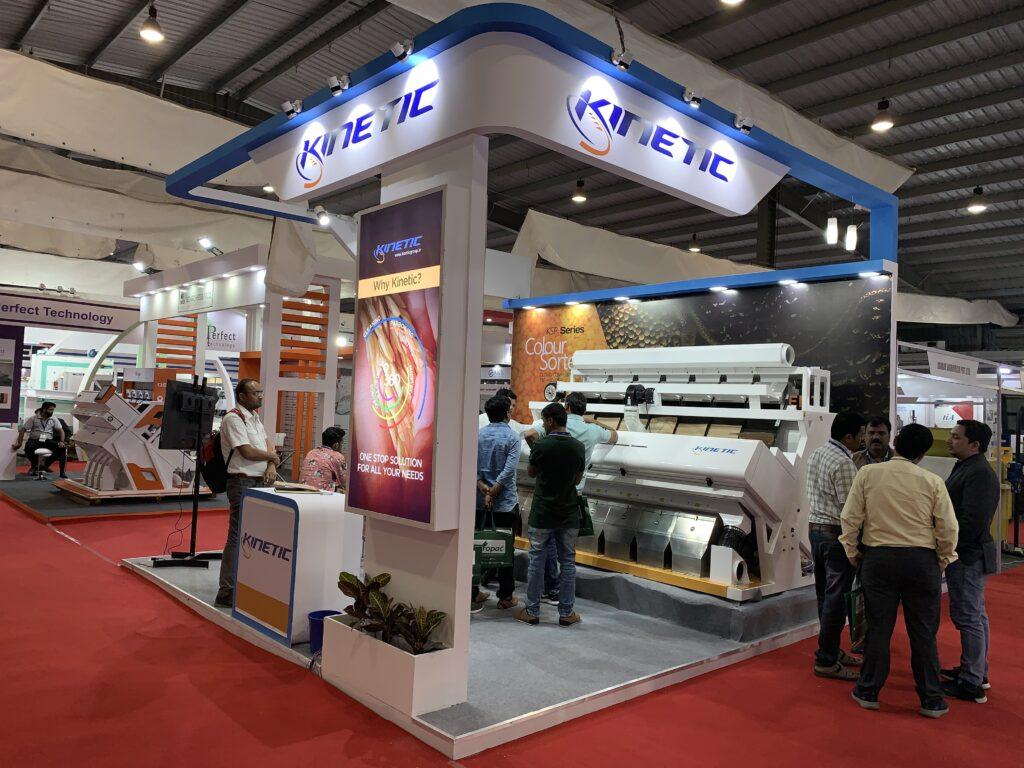
Pro Tip: Choose energy-efficient and durable machinery from trusted manufacturers like Kinetic Group, which offers turnkey solutions for mini rice mills.
Step 4: Infrastructure Setup
- Foundation: Ensure a solid floor for heavy machinery to minimize vibration.
- Storage: Separate areas for raw paddy and finished rice.
- Ventilation: Adequate airflow prevents moisture accumulation and keeps rice quality intact.
- Safety measures: Fire extinguishers, first-aid kits, and proper machine guards are essential.
Step 5: Hiring and Training Staff
A mini rice mill can run with a small, skilled team:
- Operators: Handle machinery and ensure smooth processing.
- Quality inspectors: Check the quality of cleaned and polished rice.
- Packaging staff: Manage bagging and labeling.
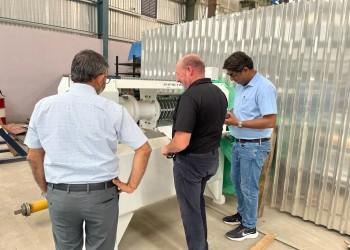
Tip: Provide training on machine operation, preventive maintenance, and safety protocols to maximize efficiency.
Step 6: Quality Control
Maintaining high-quality rice is critical to retain customers:
- Check for broken grains, impurities, and proper moisture content.
- Ensure consistent polishing and grading standards.
- Use automated machines where possible to reduce human error.
Step 7: Marketing and Distribution
- Local retailers and wholesalers: Build partnerships in nearby towns.
- Direct-to-consumer sales: Sell branded rice in small packets for better margins.
- Online channels: E-commerce platforms can help reach wider markets.
- Branding: Highlight quality, purity, and, if applicable, eco-friendly or organic processing.
Step 8: Maintenance and Expansion
- Implement preventive maintenance to extend machinery life.
- Monitor operational efficiency and reduce downtime.
- Plan for gradual expansion as demand grows, such as adding more polishing units or packaging automation.
Conclusion
Setting up a mini rice milling plant is a rewarding venture that combines entrepreneurship with community impact. With proper planning, the right machinery, skilled staff, and a focus on quality, you can establish a profitable and sustainable rice milling business.
Kinetic Group offers turnkey solutions for mini and medium rice mills, providing machinery, installation, and training support to help you succeed in this growing industry.