Paddy to polished rice process
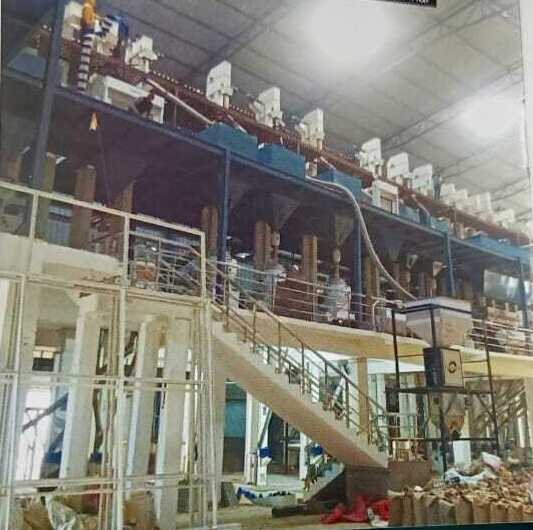
Rice is one of the most essential staple foods in India, but the journey from freshly harvested paddy to polished, market-ready rice involves a highly systematic and technology-driven process. Modern rice milling plants use advanced machinery to ensure high yield, superior quality, and minimal grain breakage. Let’s take a step-by-step look at how paddy is transformed into polished rice inside a modern rice milling plant.
1. Paddy Cleaning – Removing Impurities
The process begins with pre-cleaning, where raw paddy is passed through cleaning machines to remove dust, stones, straw, metal particles, and other foreign materials. This step is crucial to protect downstream machinery and ensure smooth processing. Advanced cleaners and de-stoners help maintain consistent quality and efficiency.
2. De-Stoning & Magnetic Separation
Even after cleaning, paddy may contain small stones or metallic impurities. De-stoners and magnetic separators remove these contaminants, preventing damage to machines and improving the safety and purity of the final rice product.
3. Husk Removal (De-Husking)
In this stage, the outer husk is removed using rubber roll shellers. The husk is separated without damaging the rice grain, producing brown rice. Proper adjustment at this stage helps minimize grain breakage and maximize output.
4. Paddy Separation
After husking, a mixture of brown rice and unhusked paddy remains. Paddy separators efficiently separate the unhusked grains, which are sent back for reprocessing, ensuring minimal wastage and improved recovery.
5. Whitening & Polishing
Brown rice is then passed through rice whitening and polishing machines, where bran layers are carefully removed. Modern polishers ensure uniform whitening, better shine, and minimal nutrient loss while maintaining grain strength and appearance.
6. Grading & Length Separation
Once polished, rice grains are sorted using graders and length separators to remove broken rice and classify grains based on size and quality. This step ensures consistency, which is essential for branding and market acceptance.
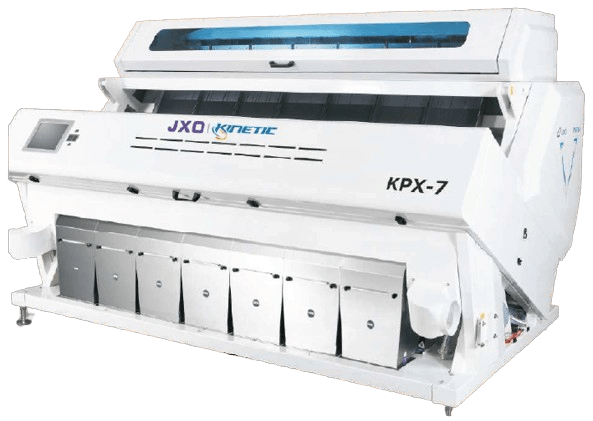
7. Color Sorting for Premium Quality
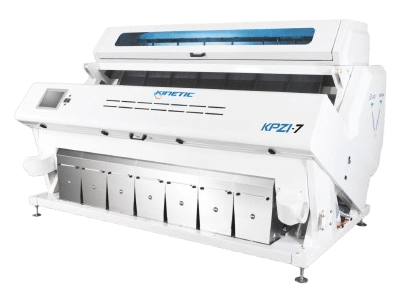
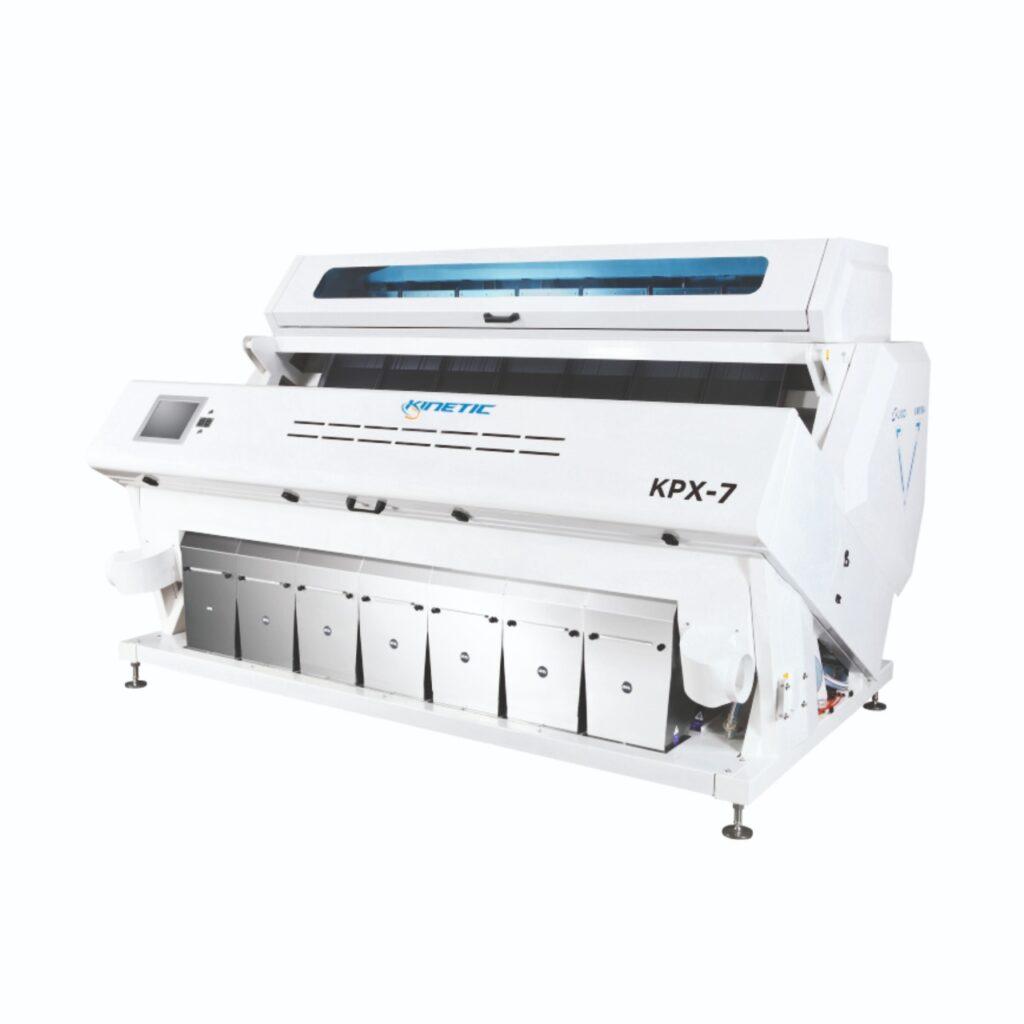
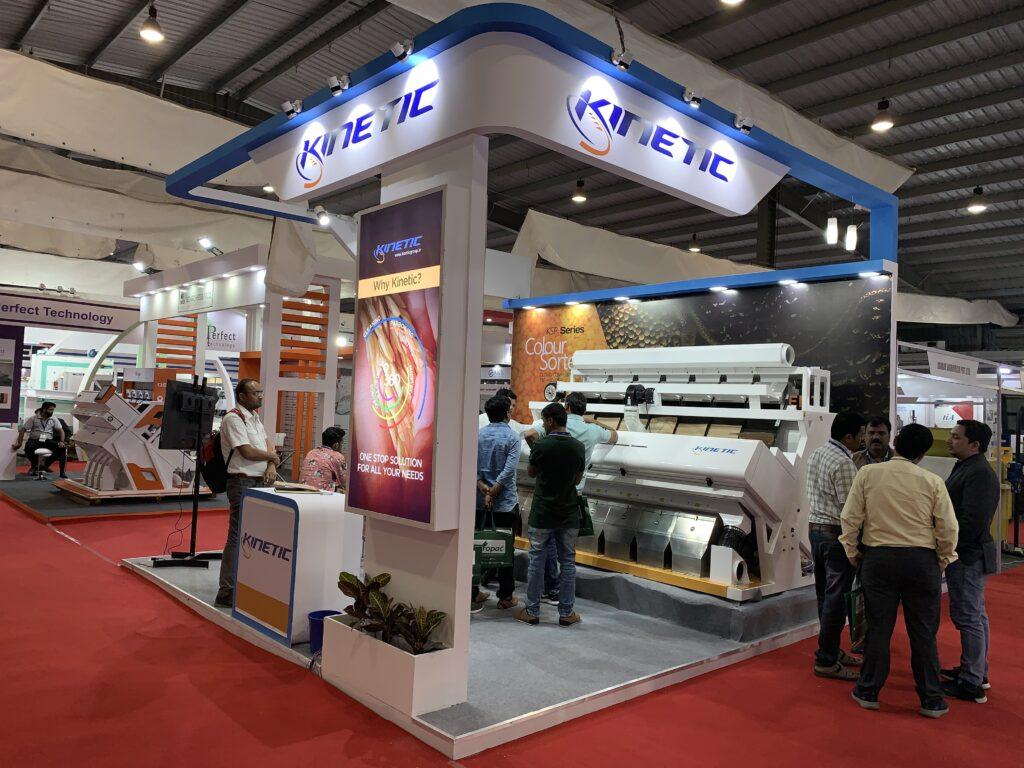
Color sorter machines play a vital role in modern rice mills by removing discolored, damaged, or defective grains. This technology significantly improves visual appeal and ensures export-quality standards, making the rice suitable for premium markets.
8. Weighing, Packing & Dispatch
Finally, the polished and sorted rice is weighed, packed, and sealed using automated packing systems. Proper packaging preserves freshness, enhances shelf life, and prepares the product for safe transportation and distribution.
Conclusion
A modern rice milling plant combines precision engineering, automation, and advanced technology to deliver high-quality rice with maximum efficiency. From cleaning and husking to polishing and color sorting, every step is designed to enhance yield, reduce wastage, and meet today’s market demands.
Looking to set up or upgrade a rice milling plant?
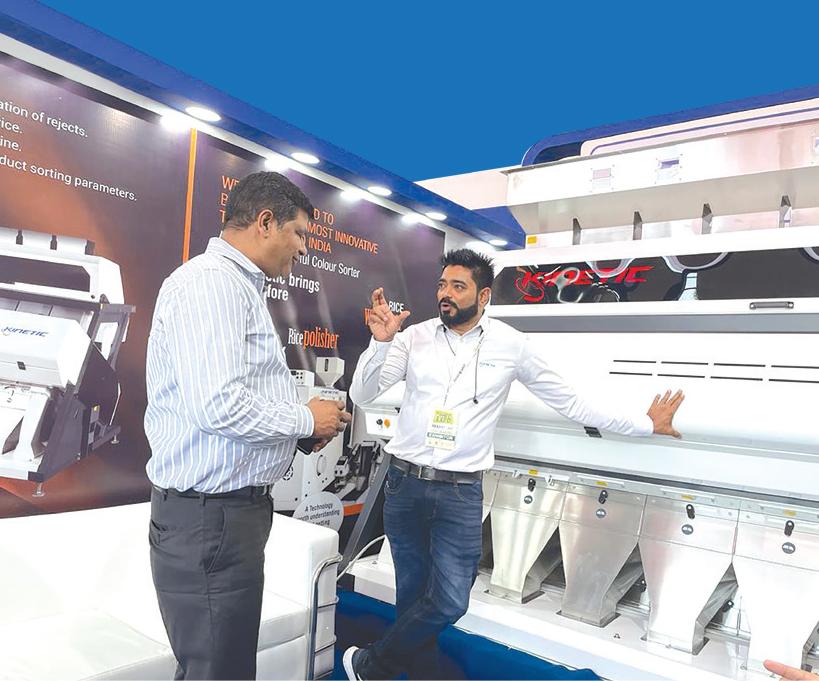
Kinetic Group offers complete rice milling solutions, advanced color sorter machines, and expert installation support across India. Contact Kinetic Group today to transform your paddy processing into a high-performance, profitable operation.