Automation in Small Rice Mills
In today’s highly competitive rice milling industry, small and mid-size rice mills face growing pressure to improve efficiency, maintain quality, and control operating costs. With rising labor challenges, increasing power costs, and higher quality expectations from buyers, early investment in automation is no longer a luxury—it’s a necessity. Mills that adopt automation at the right time gain a strong edge in productivity, consistency, and long-term profitability.
The Challenges Faced by Small & Mid-Size Rice Mills
Traditional rice milling operations rely heavily on manual processes, which often lead to inconsistent output, higher wastage, and increased downtime. Dependence on skilled labor is another major concern, especially when availability is unpredictable. Additionally, manual operations make it difficult to maintain uniform quality, which affects brand reputation and limits access to premium or export markets.
How Automation Transforms Rice Milling Operations
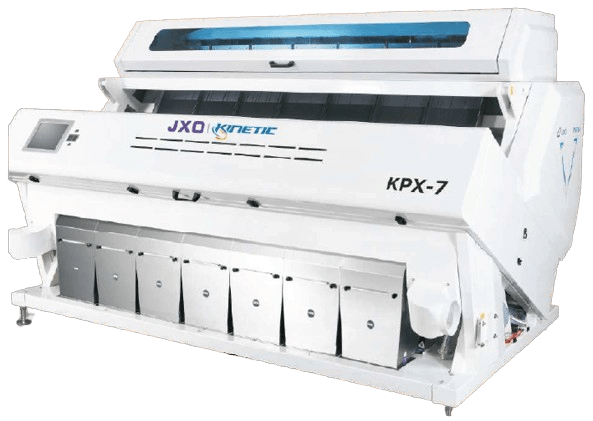
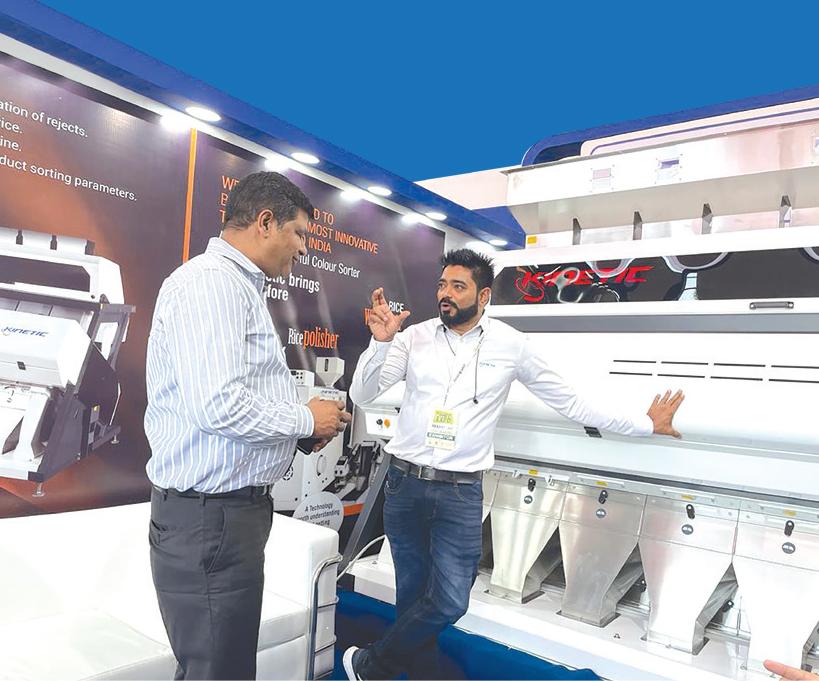
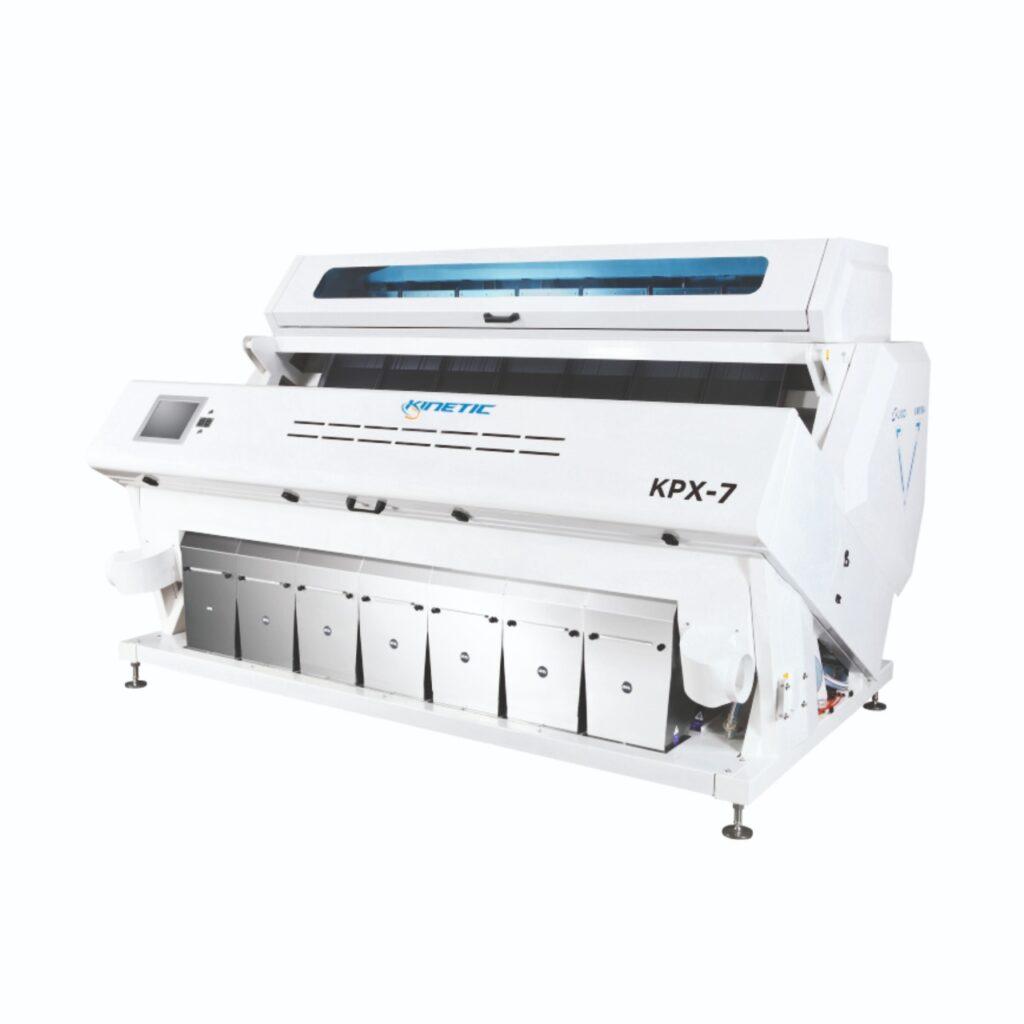
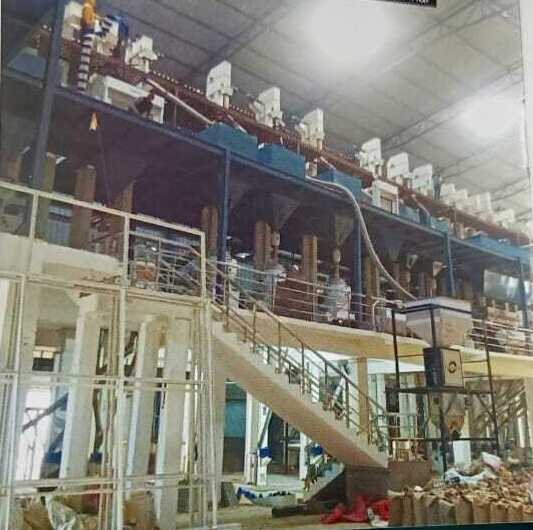
Automation introduces precision and consistency into every stage of rice processing—from paddy cleaning and dehusking to polishing and color sorting. Modern automated machines reduce human intervention, minimize grain breakage, and ensure higher recovery rates. With optimized workflows and integrated systems, mills can achieve smoother operations while reducing production losses.
Lower Operational Costs and Higher Efficiency
One of the biggest advantages of automation is cost optimization. Automated rice milling machines consume power more efficiently, reduce material wastage, and lower maintenance expenses through preventive systems. Over time, the savings generated from reduced labor dependency and improved output quality far outweigh the initial investment.
Scalability and Future Readiness
Small and mid-size mills that automate early are better prepared for future expansion. Automated setups are easier to scale, allowing mill owners to increase capacity without major disruptions. This flexibility ensures that businesses can grow steadily while adapting to market demand and technological advancements.
Improved Quality and Market Competitiveness
Automation ensures uniform grain quality, better sorting accuracy, and compliance with market standards. This consistency helps mills build trust with buyers, access high-value markets, and compete with larger players. Investing early in automation enables mills to establish a strong brand presence and maintain long-term customer relationships.
Conclusion
Early investment in automation empowers small and mid-size rice mills to operate smarter, reduce risks, and stay competitive in a rapidly evolving industry. By adopting modern, efficient machinery, mill owners can improve productivity, enhance quality, and secure sustainable growth. Automation today is the foundation for profitability tomorrow.