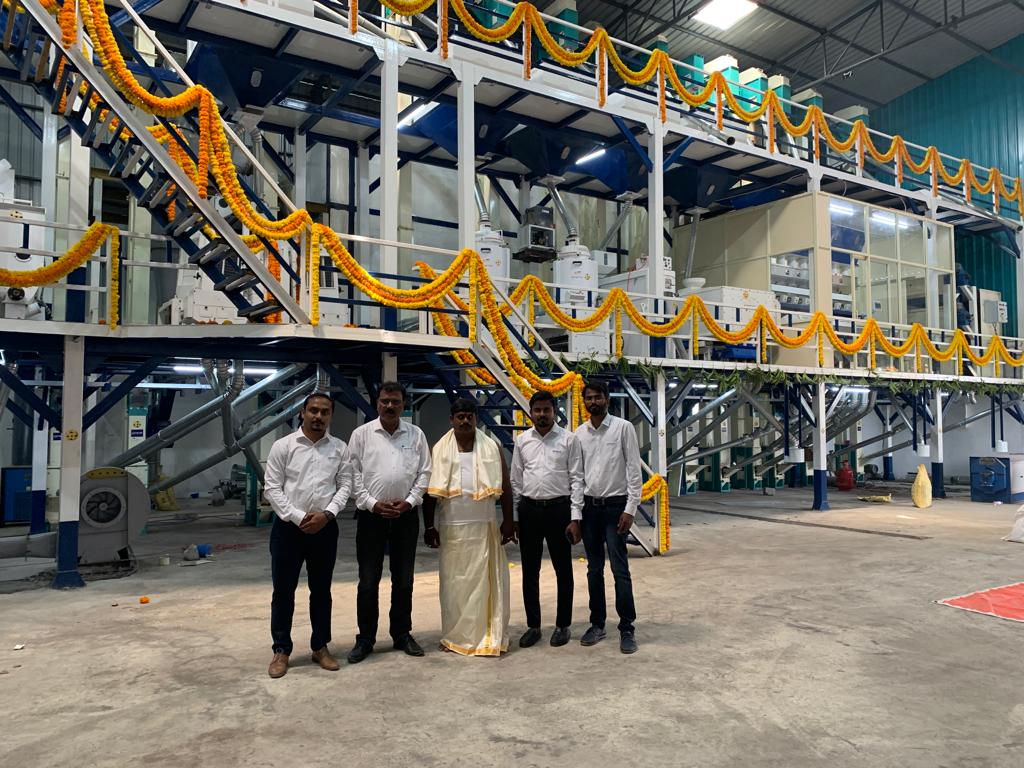
Rice Mill Automation in India
India is one of the world’s largest producers and consumers of rice, making the rice milling sector a vital pillar of the country’s agro-economy. As demand for high-quality rice grows in domestic and export markets, traditional milling practices are rapidly giving way to smart automation. Modern rice mills are now powered by advanced machinery, intelligent sorting systems, and digital monitoring tools that improve productivity, consistency, and profitability.
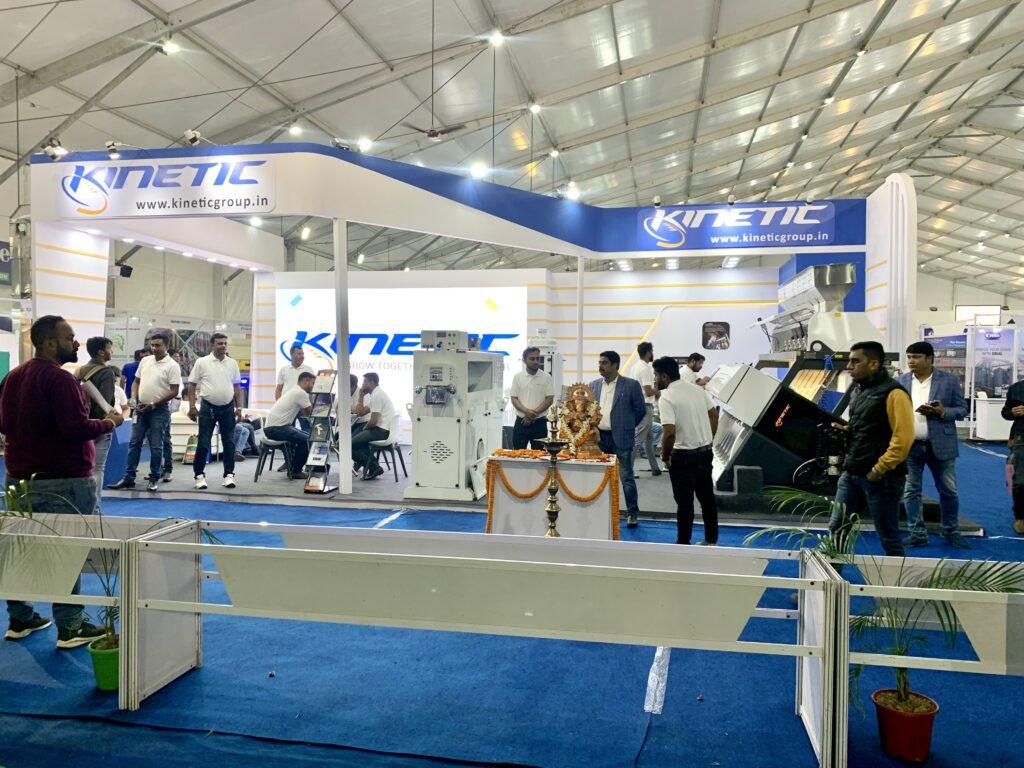
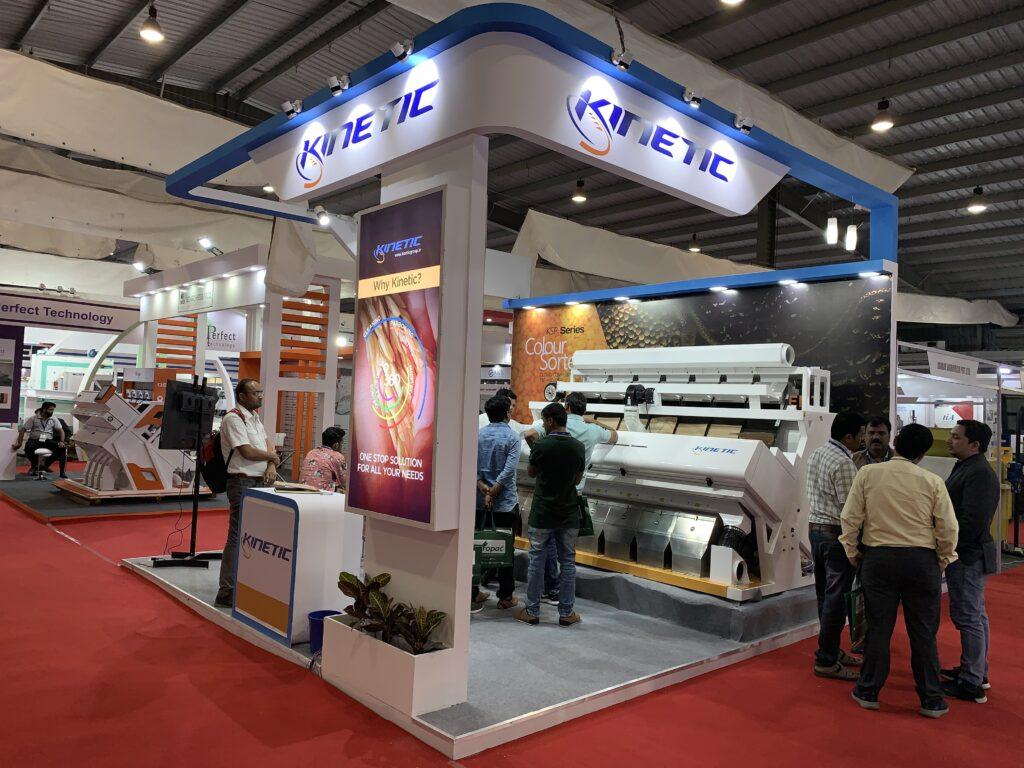
Organizations like Kinetic Group are contributing to this transformation by delivering automated rice milling plants, precision sorting systems, and integrated turnkey solutions designed for mills of all sizes.
The Shift from Traditional to Automated Rice Milling
Conventional rice milling relied heavily on manual labor for sorting, grading, and quality inspection. This approach was time-consuming, inconsistent, and prone to errors. Automation eliminates these limitations by introducing precision-driven processes that ensure consistent output and operational efficiency.
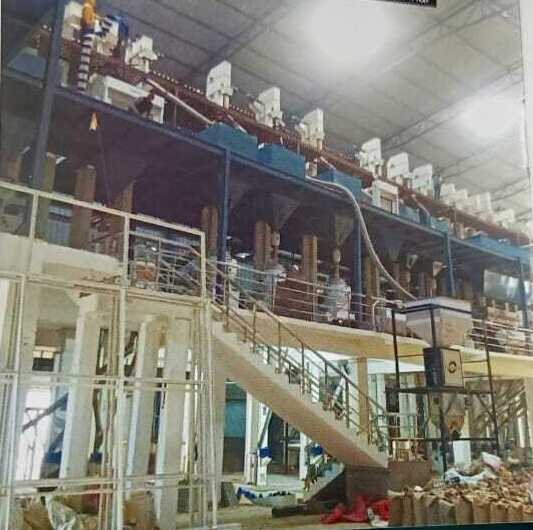
Modern rice mills integrate automated systems for cleaning, husking, polishing, grading, and packaging, creating a seamless workflow that minimizes human intervention and reduces processing time.
Smart Technologies Driving Transformation
1. Optical Color Sorting Systems
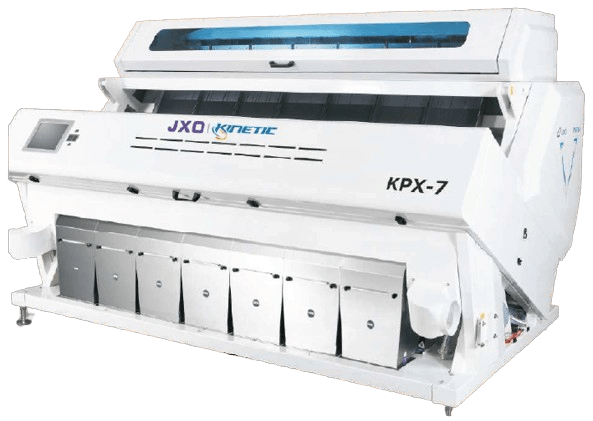
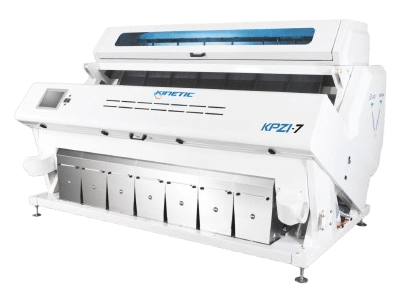
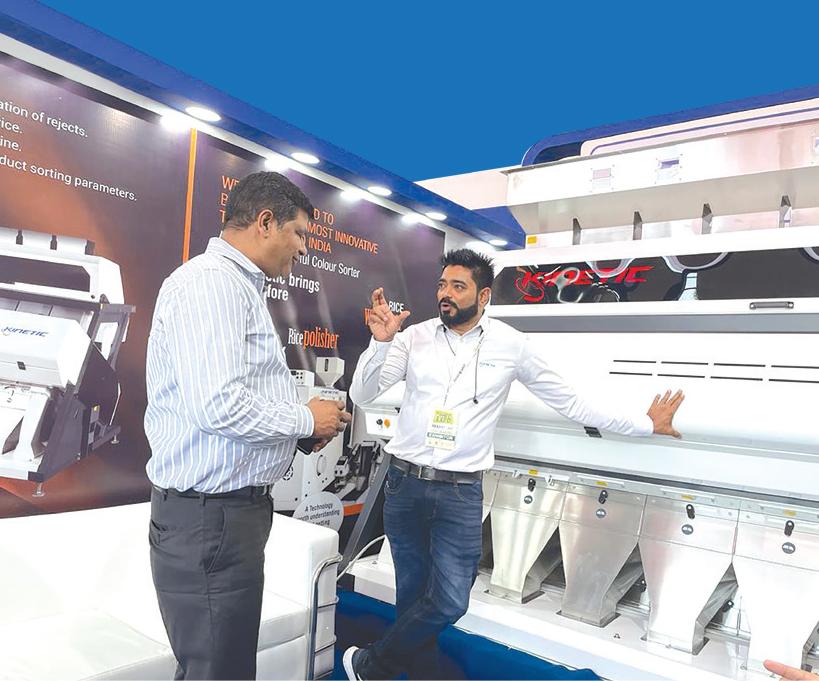
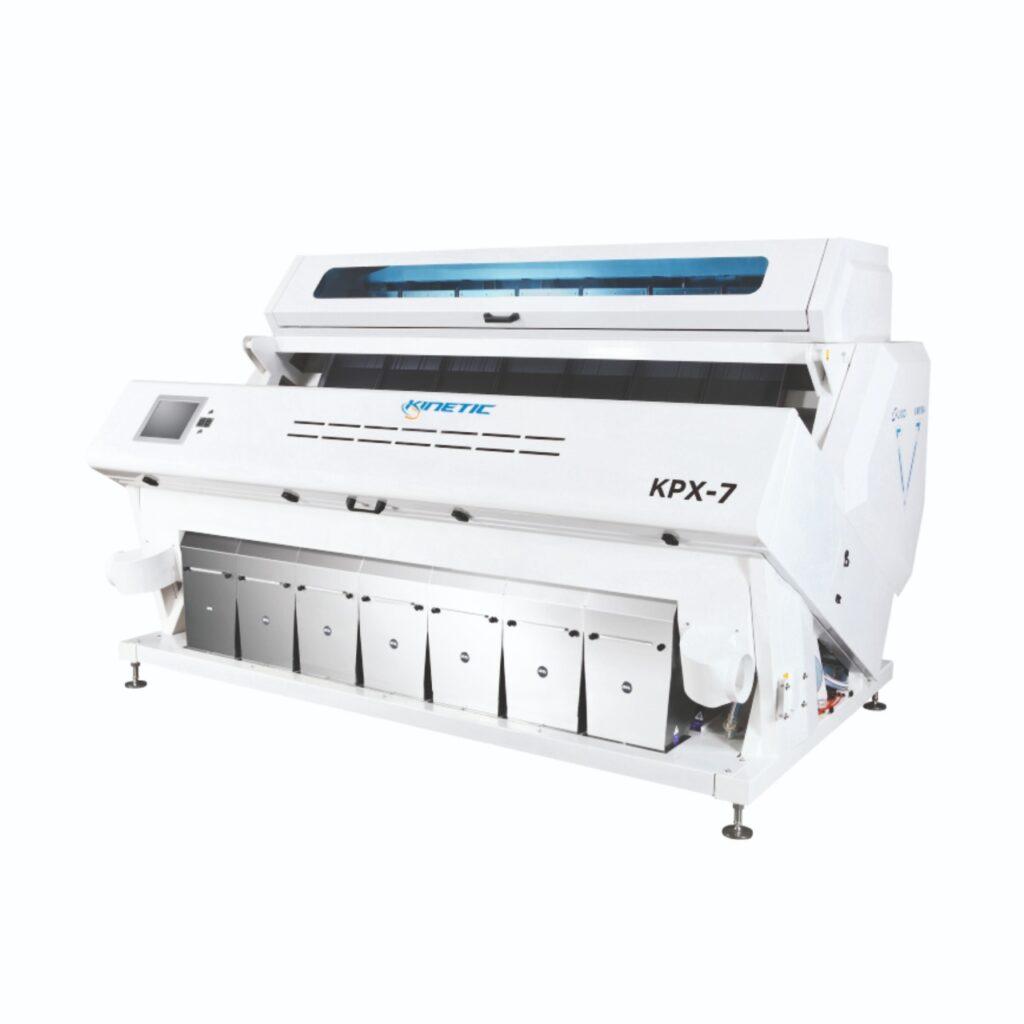
Advanced color sorters use high-resolution cameras and sensors to detect defective, discolored, or contaminated grains. These machines instantly remove impurities, ensuring only premium-quality rice reaches consumers.
Key advantages:
- Detect defects based on color, size, and shape
- Improve food safety by removing foreign particles
- Increase market value through uniform grain quality
Color sorting technology achieves extremely high accuracy, significantly enhancing output purity and quality.
2. Precision Sorting & AI-Based Inspection
Modern sorting systems use artificial intelligence and optical sensors to inspect every grain, identifying flaws and impurities with unmatched precision. This strengthens quality control while reducing waste.
Impact:
- Higher yield and reduced wastage
- Improved consumer trust
- Better compliance with export standards
3. Automated Milling & Processing Equipment
Automated milling systems integrate multiple stages including pre-cleaning, husk removal, whitening, polishing, and grading.
Benefits include:
- Higher throughput and faster processing
- Reduced dependency on manual labor
- Lower operational costs
- Consistent output quality
Turnkey automated plants streamline workflows and boost productivity across both small and large operations.
4. Energy-Efficient and Sustainable Operations
Modern automated rice mills are designed with sustainability and efficiency in mind.
Key advantages:
- Lower energy consumption
- Reduced grain breakage and waste
- Better by-product utilization
- Eco-friendly processing methods
Automation helps optimize resource use while increasing profitability.
5. IoT & Smart Monitoring Systems
Smart automation now includes remote monitoring and digital controls that allow operators to track performance, efficiency, and machine health in real time.
Advantages:
- Predictive maintenance reduces downtime
- Real-time performance tracking
- Improved operational transparency
- Enhanced decision-making through data insights
Economic Benefits for Rice Mill Owners
Adopting smart automation delivers measurable business advantages:
- Increased productivity and output capacity
- Improved grain quality and premium pricing
- Reduced labor and operational costs
- Enhanced export readiness and compliance
- Higher customer satisfaction and brand value
Automated sorting and processing significantly increase throughput while lowering labor dependency and improving profitability.
Empowering India’s Agro-Industrial Growth
Automation is not just improving efficiency—it is strengthening India’s agricultural value chain. By delivering higher-quality rice with improved safety standards, automated mills help Indian producers compete in global markets.
With ongoing innovations in AI, IoT, and machine learning, the future of rice milling will see fully smart plants capable of self-optimization, predictive analytics, and traceability.
Conclusion
Smart automation is revolutionizing modern rice mills in India by transforming efficiency, quality control, and sustainability. From AI-powered sorting to automated milling systems and real-time monitoring, technology is enabling millers to produce premium rice while maximizing profitability.
As the industry continues to evolve, embracing automation is no longer optional — it is essential for staying competitive in today’s fast-changing agro-processing landscape.