
Rice Mill Profit Improvement
In today’s competitive rice processing industry, profitability is no longer determined only by production capacity. Increasing output often requires heavy investment, higher energy consumption, and additional labor. Instead, smart mill owners are focusing on improving efficiency, reducing waste, and enhancing grain quality to boost profit margins — without increasing production volume.
By optimizing processes and adopting modern technology, rice mills can significantly improve returns while maintaining the same throughput.
Why Profit Margins Matter More Than Production Volume
Producing more rice does not always mean earning more profit. Higher production can lead to:
- Increased electricity and fuel costs
- Greater wear and tear on machinery
- Additional labor expenses
- Storage and logistics challenges
Improving efficiency within existing operations helps maximize profitability with minimal investment.
1. Reduce Grain Breakage and Processing Loss
Broken grains reduce market value and overall yield.
How to improve:
✔ Maintain proper moisture levels before milling
✔ Calibrate machinery regularly
✔ Avoid over-polishing and excessive pressure
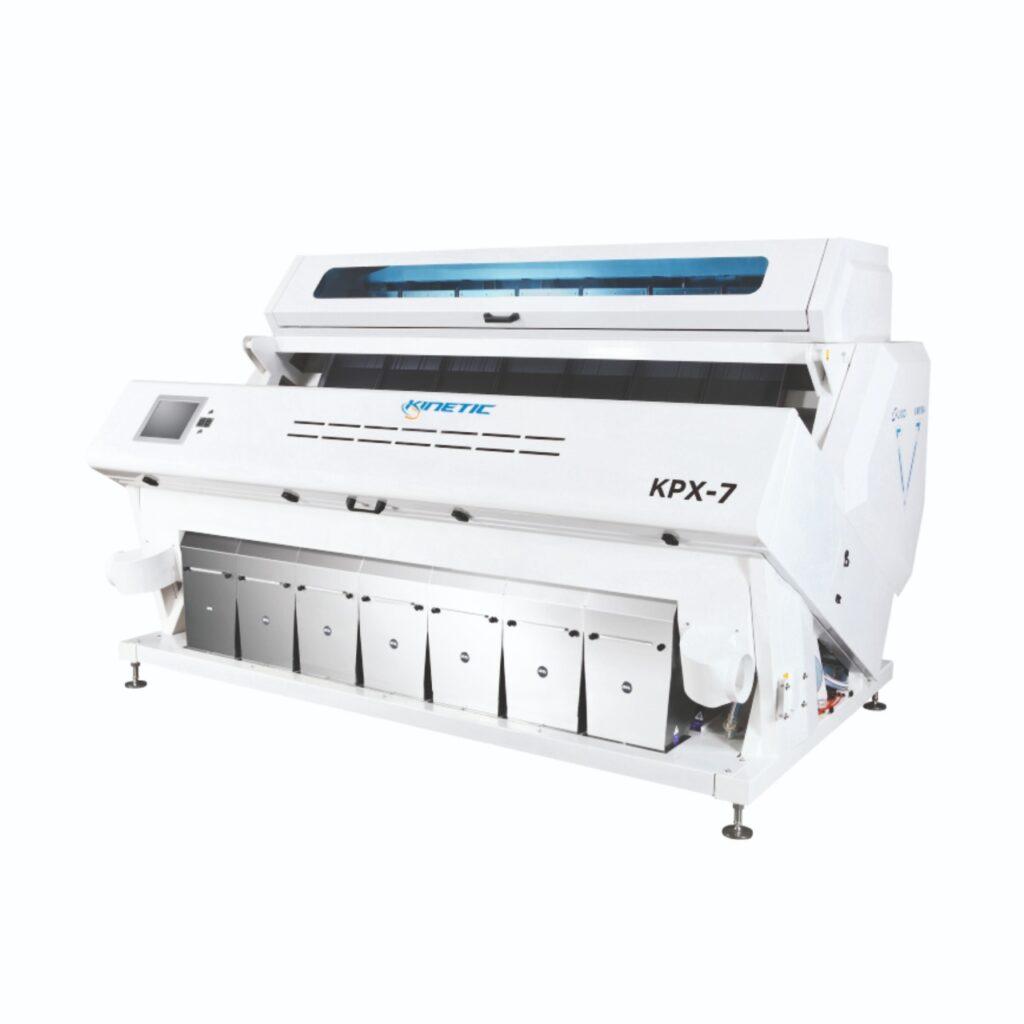
✔ Use precision sorting technology
Reducing breakage by even a small percentage can significantly increase saleable output.
2. Improve Grain Quality for Better Market Pricing
Higher quality rice commands better prices in both domestic and export markets.
Steps to enhance quality:
- Remove discolored, damaged, and immature grains
- Ensure uniform grain size and polish
- Eliminate impurities and foreign materials
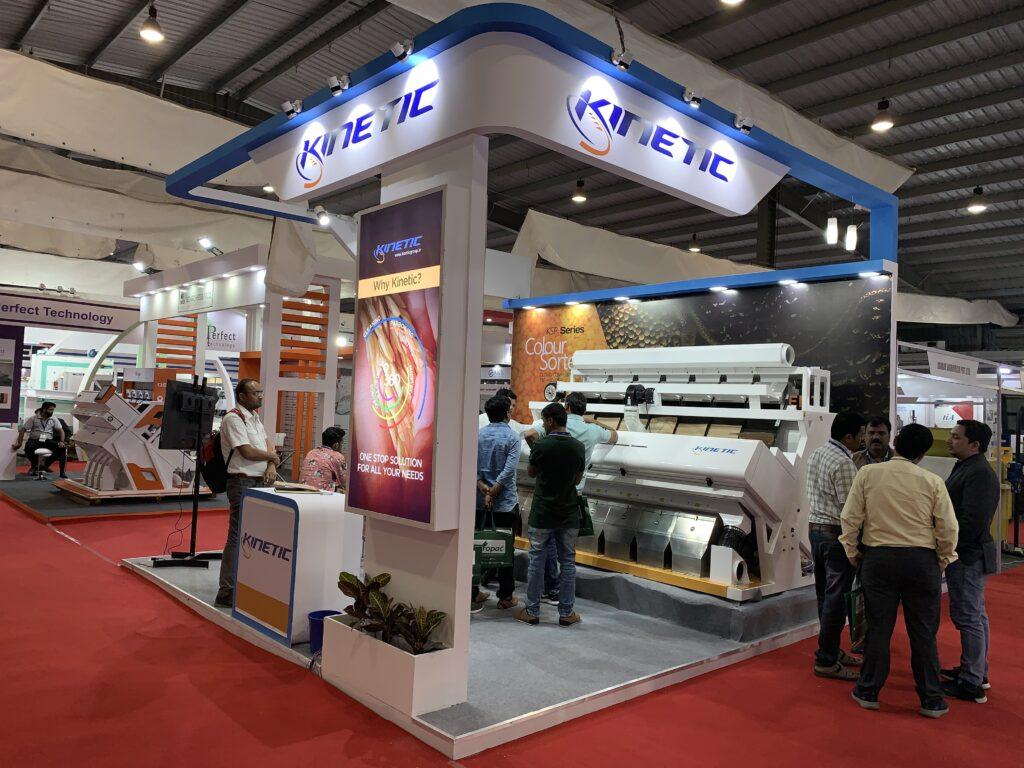
Modern sorting solutions from companies like Kinetic Group help mills achieve consistent, premium-quality output.
3. Optimize Energy Consumption
Energy costs are a major expense in milling operations.
Ways to reduce energy costs:
✔ Upgrade to energy-efficient motors and equipment
✔ Optimize machine load and runtime
✔ Schedule preventive maintenance to avoid inefficiencies
✔ Monitor power usage patterns
Lower energy consumption directly improves operational margins.
4. Minimize Downtime Through Preventive Maintenance
Unexpected breakdowns halt production and increase repair costs.
Best practices:
- Schedule regular inspections and servicing
- Replace worn parts before failure
- Train operators to identify early warning signs
- Maintain proper lubrication and alignment
Preventive maintenance ensures consistent productivity and reduces costly interruptions.
5. Reduce Waste and Improve By-product Utilization
Rice milling produces valuable by-products that can generate additional revenue.
Potential revenue sources:
✔ Rice bran for oil extraction
✔ Broken rice for food processing and feed
✔ Husk for fuel or power generation
✔ Bran powder for animal feed
Efficient by-product utilization converts waste into profit.
6. Automate Sorting and Quality Control
Manual inspection is time-consuming and inconsistent.
Benefits of automation:
- Improved accuracy and uniformity
- Reduced labor dependency
- Faster processing speed
- Consistent export-grade quality
Automation helps maintain high standards while controlling operational costs.
7. Strengthen Market Position Through Branding & Packaging
Better presentation can increase perceived value.
Strategies:
✔ Use premium packaging materials
✔ Highlight quality certifications
✔ Promote uniform grain quality
✔ Build a trusted brand identity
Consumers and wholesalers are willing to pay more for reliable quality.
Final Thoughts
Increasing rice mill profit margins does not always require expanding production. By reducing losses, improving quality, optimizing energy use, and adopting modern technology, mill owners can significantly enhance profitability.
Efficiency, precision, and smart resource management are the keys to sustainable growth in today’s rice milling industry. With the right strategies in place, mills can maximize returns while maintaining consistent output and quality.