Rice Milling Byproduct Solutions
In rice and grain processing, efficiency extends far beyond producing high-quality finished products. A significant portion of profitability lies in how effectively byproducts are managed. What was once considered waste — husk, bran, broken grains, and dust — is now recognized as a valuable resource.
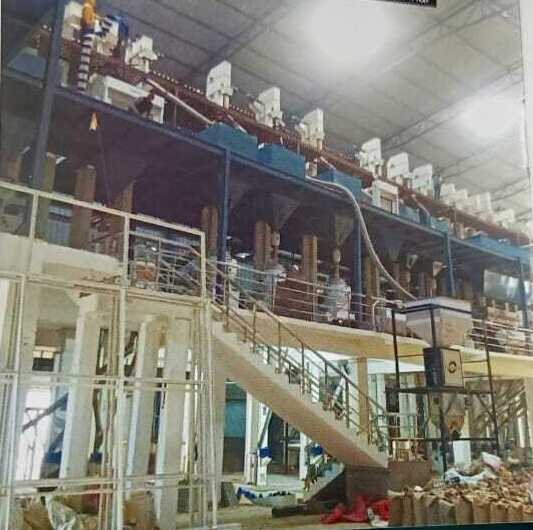
At Kinetic Group, we focus on providing complete solutions in rice milling and grain processing, ensuring that every fraction of the grain is optimally utilized. Modern processing facilities are increasingly adopting innovative byproduct management strategies to reduce waste, improve sustainability, and create new revenue streams.
Understanding Byproducts in Rice & Grain Processing
During milling and processing, several byproducts are generated, including:
- Rice husk
- Rice bran
- Broken rice
- Bran from wheat and other grains
- Grain dust and screenings
If not properly managed, these byproducts can create storage issues, contamination risks, and environmental concerns. However, with the right approach, they become profitable secondary products, enhancing both revenue and sustainability.
What is Rice Husk and Its Importance?
Rice husk is the hard, protective outer layer of the rice grain that is removed during milling. Traditionally considered waste, rice husk is now recognized as a highly valuable byproduct. It is rich in silica and can be used in multiple ways, including:
- Biomass fuel for boilers — powering mills while reducing electricity costs
- Raw material for power generation — sustainable energy solutions
- Silica extraction — used in construction materials and industrial applications
- Eco-friendly building products — bricks, boards, and insulation materials
By effectively utilizing rice husk, rice processing units not only reduce waste but also cut operational costs and support environmental sustainability.
Rice Bran: A High-Value Nutritional Product
Rice bran, removed during polishing, is rich in nutrients and oils. It is commonly used for:
- Rice bran oil extraction
- Animal feed production
- Nutritional supplements
- Health food ingredients
With proper stabilization technology to prevent rancidity, rice bran becomes a highly profitable component of the value chain.
Broken Rice: Expanding Market Applications
Broken rice is no longer considered low-value material. With modern grading and sorting systems, it finds applications in:
- Flour production
- Brewing and distillation
- Processed food manufacturing
- Pet food industry
Efficient utilization of broken rice ensures minimal wastage and maximizes commercial potential.
Grain Bran in Wheat & Other Cereals
Wheat bran and other cereal byproducts are rich in fiber and nutrients, making them ideal for:
- Livestock feed
- High-fiber food products
- Bakery ingredient blends
- Nutraceutical manufacturing
Rising demand for healthy, fiber-rich foods has significantly increased the market value of bran.
Dust & Screenings: Proper Handling and Reuse
Dust and fine particles generated during processing must be carefully managed to maintain plant hygiene and air quality. Modern processing plants adopt:
- Advanced dust collection systems
- Pneumatic conveying systems
- Reprocessing units for recoverable material
This approach ensures compliance, safety, and minimal material loss.
Technological Innovations Supporting Byproduct Management
At Kinetic Group, we integrate modern technology to enhance byproduct management:
- Automated separation systems
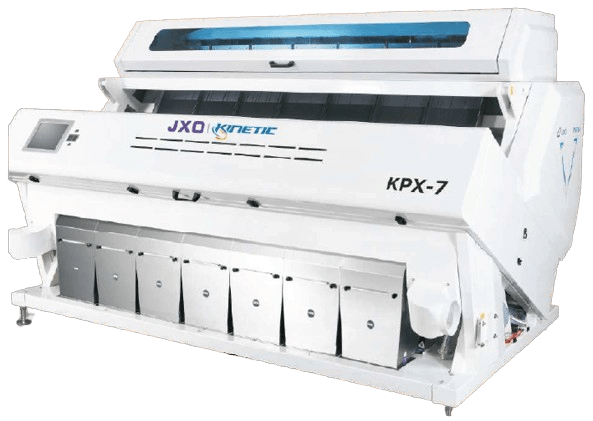
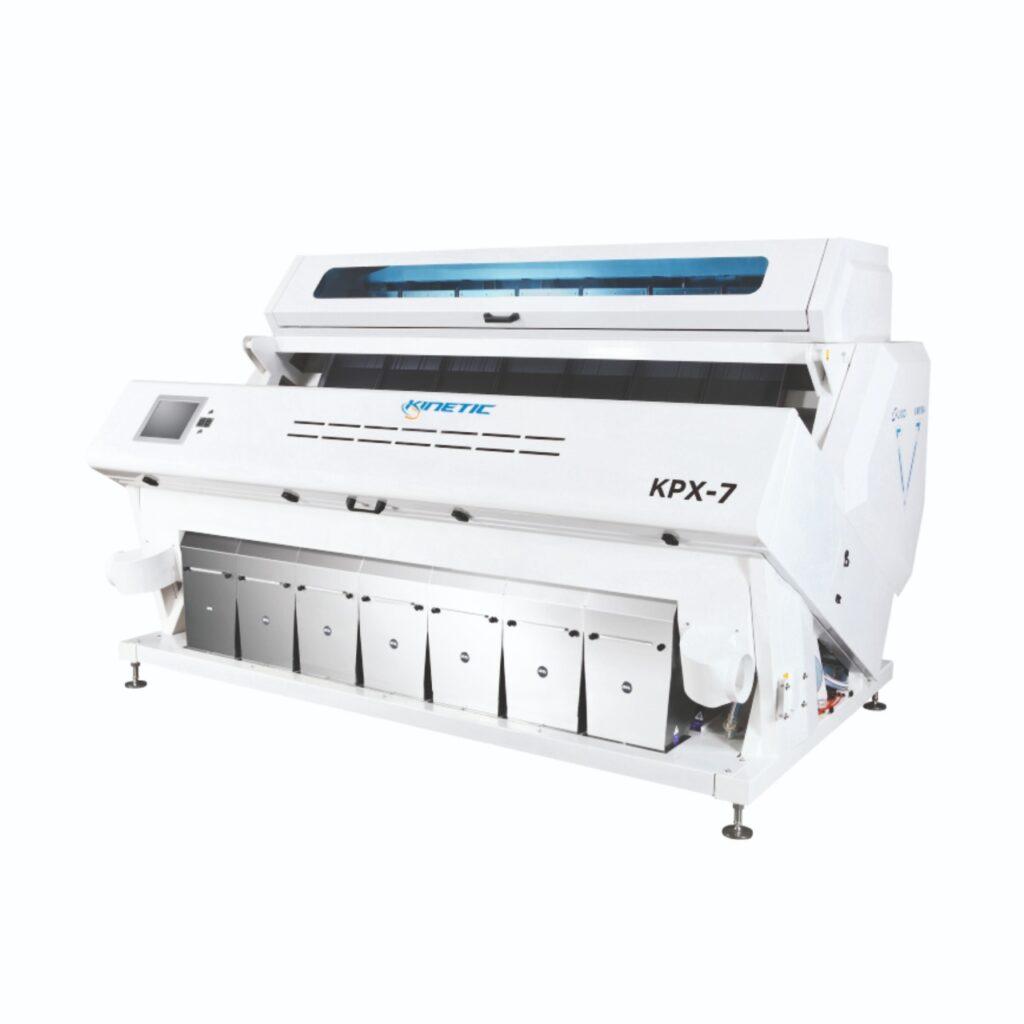
- Efficient grading and sorting machines
- Byproduct collection and storage units
- Biomass energy solutions
- Digital inventory tracking for secondary products
These systems allow mills to maximize revenue while maintaining sustainability.
Environmental and Economic Benefits
Turning byproducts into valuable outputs provides:
- Reduced landfill waste
- Lower greenhouse gas emissions
- Improved resource efficiency
- Sustainable production practices
Financially, byproduct utilization increases revenue, reduces energy and disposal costs, and strengthens overall ROI. By treating byproducts as strategic assets, processors gain both environmental and economic advantages.
Conclusion
Byproduct management in rice and grain processing is no longer an afterthought — it is a core part of operational excellence. From rice husk energy solutions to bran oil extraction and broken rice applications, every part of the grain can generate value.
At Kinetic Group, we empower rice and grain processors to implement efficient, future-ready solutions, turning what was once waste into a strategic resource for sustainable growth and profitability.