Traditional Rice Milling Problems and Solutions
Rice milling is one of the most important stages in the agricultural processing industry, ensuring that raw paddy is transformed into consumable, polished rice. However, traditional rice milling methods often face several challenges that directly affect productivity, quality, and profitability.
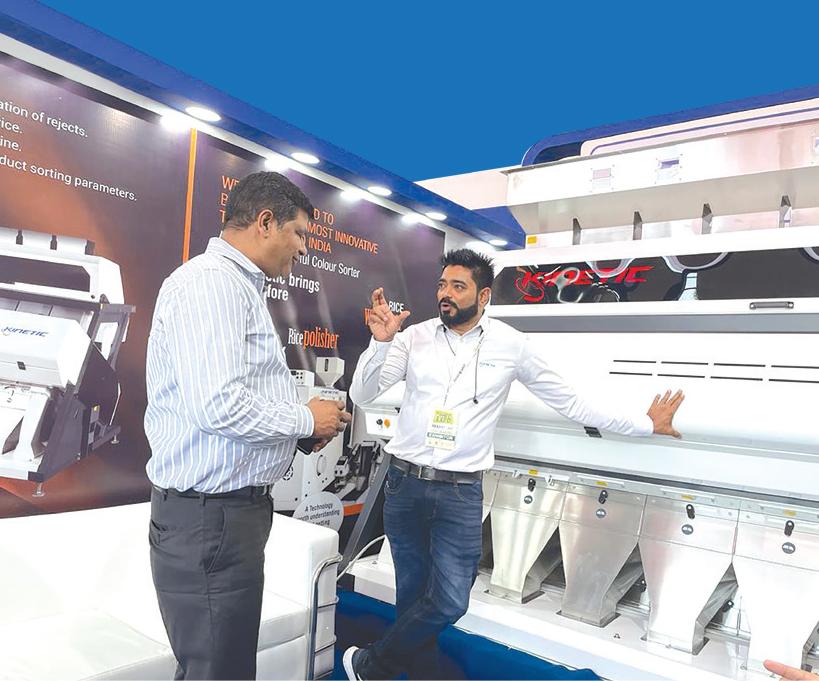
With the advancement of modern machinery and automation, companies like Kinetic Group are transforming the rice milling industry with efficient, high-performance, and technology-driven solutions.
Challenges in Traditional Rice Milling
1. High Grain Breakage and Low Yield
One of the most common issues in traditional milling is excessive grain breakage. Poorly calibrated machines and outdated milling systems often damage rice kernels during husking and polishing.
This results in:
- Lower head rice recovery
- Reduced market value
- Increased wastage
Broken rice directly impacts profitability for mill owners and exporters.
2. Inconsistent Rice Quality
Traditional milling systems struggle to maintain uniform quality due to manual operations and lack of advanced sorting systems.
Common problems include:
- Mixed grain sizes
- Discoloration
- Presence of impurities like stones or husk
This affects both domestic sales and export standards.
3. Inefficient Color Sorting and Cleaning
Old rice mills often lack proper cleaning and sorting technology, leading to contamination in final output.
As a result:
- Poor-quality grains reach packaging stage
- Export rejection rates increase
- Brand reputation suffers
4. High Energy Consumption
Traditional milling machinery consumes a large amount of electricity due to outdated motors and inefficient systems.
This leads to:
- Increased operational costs
- Low energy efficiency
- Higher production expenses
5. Lack of Automation and Manual Dependency
Many traditional mills still depend heavily on manual labor, which reduces efficiency and increases the chances of human error.
Issues include:
- Slow production cycles
- Inconsistent processing
- Higher manpower costs
6. Moisture and Paddy Quality Issues
Improper control of moisture content before milling often leads to poor processing results.
This causes:
- Increased broken rice
- Poor milling efficiency
- Reduced shelf life of rice
How Modern Technology Solves These Challenges
1. Advanced Milling Machines for Higher Yield
Modern rice milling machines are designed with precision engineering to reduce grain breakage and improve head rice recovery.
With advanced settings and controlled pressure systems, modern equipment ensures:
- Maximum output
- Minimum wastage
- Better grain integrity
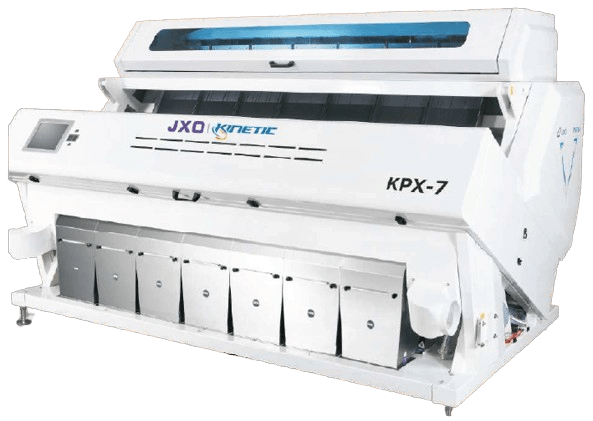
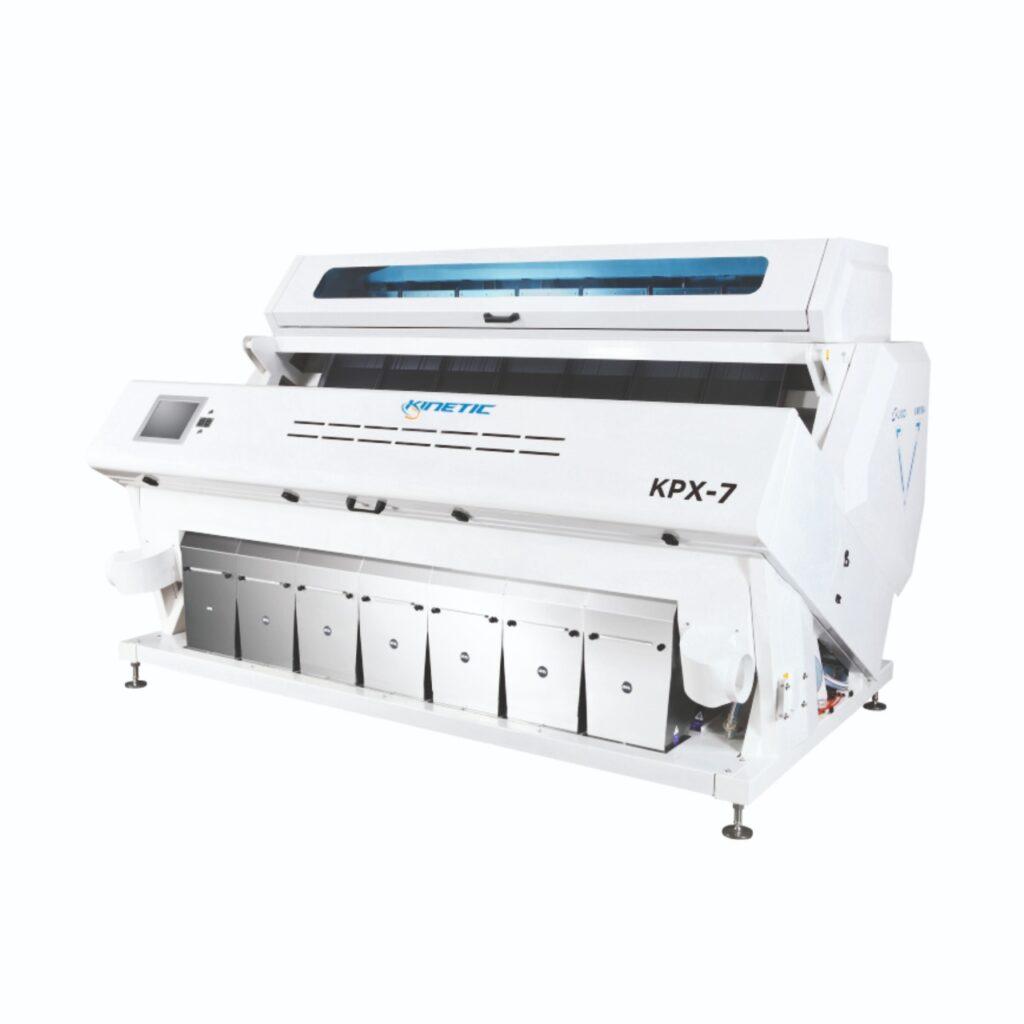
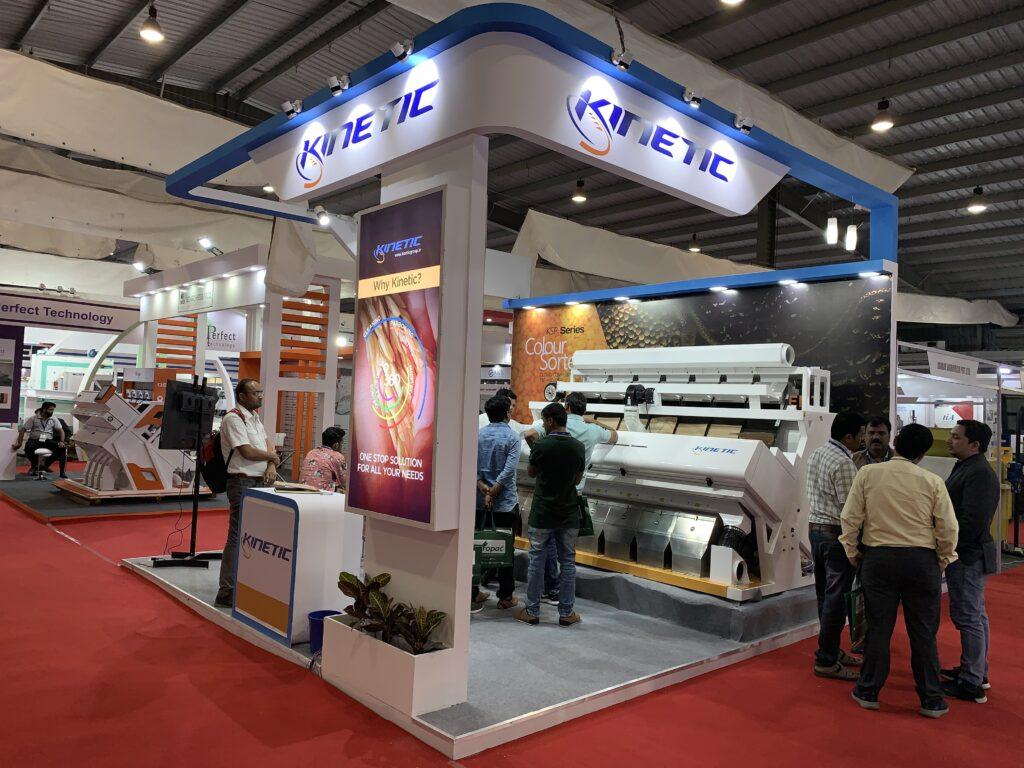
2. Automated Color Sorters for Better Quality
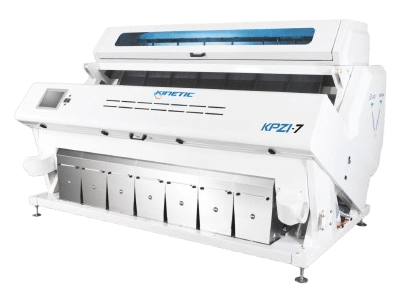
AI-powered color sorting machines help detect and remove defective grains, stones, and impurities in real-time.
Benefits include:
- Uniform rice quality
- Export-grade output
- Higher market value
3. Energy-Efficient Machinery
Modern rice mills use energy-optimized motors and systems that significantly reduce electricity consumption while maintaining high performance.
This results in:
- Lower operational cost
- Sustainable production
- Better profitability
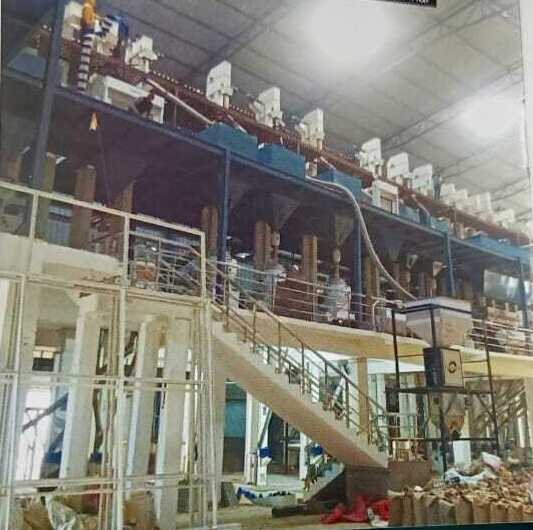
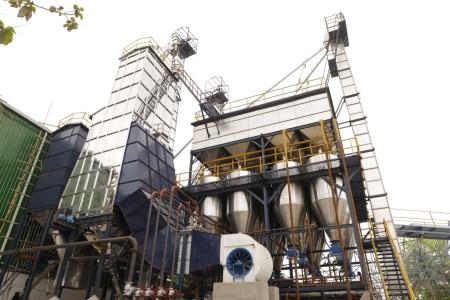
4. Fully Integrated Turnkey Rice Milling Plants
Companies like Kinetic Group offer complete turnkey solutions where all stages are integrated:
- Cleaning
- Husking
- Whitening
- Polishing
- Sorting
- Packaging
This reduces dependency on manual coordination and improves overall efficiency.
5. Automation and Smart Control Systems
Modern mills are equipped with automated systems and digital controls that ensure precision and consistency in every stage of production.
Advantages:
- Reduced human error
- Faster processing
- Real-time monitoring
6. Better Moisture Control and Pre-Processing
Advanced drying and pre-cleaning systems help maintain optimal paddy moisture levels before milling.
This leads to:
- Reduced grain damage
- Improved milling efficiency
- Higher quality rice output
The Role of Kinetic Group in Modern Rice Milling
Kinetic Group plays a key role in transforming the rice milling industry in India by providing:
- Advanced rice milling machinery
- Color sorting systems
- Turnkey plant solutions
- Energy-efficient processing technology
With a focus on innovation and engineering excellence, Kinetic Group helps businesses move from traditional inefficient systems to fully modernized rice processing units.
Conclusion
Traditional rice milling systems face multiple challenges such as grain breakage, low efficiency, and inconsistent quality. However, modern technology has completely transformed the industry by introducing automation, precision machinery, and energy-efficient systems.
With companies like Kinetic Group, rice mill owners can upgrade their operations, improve product quality, and increase profitability while meeting global standards.