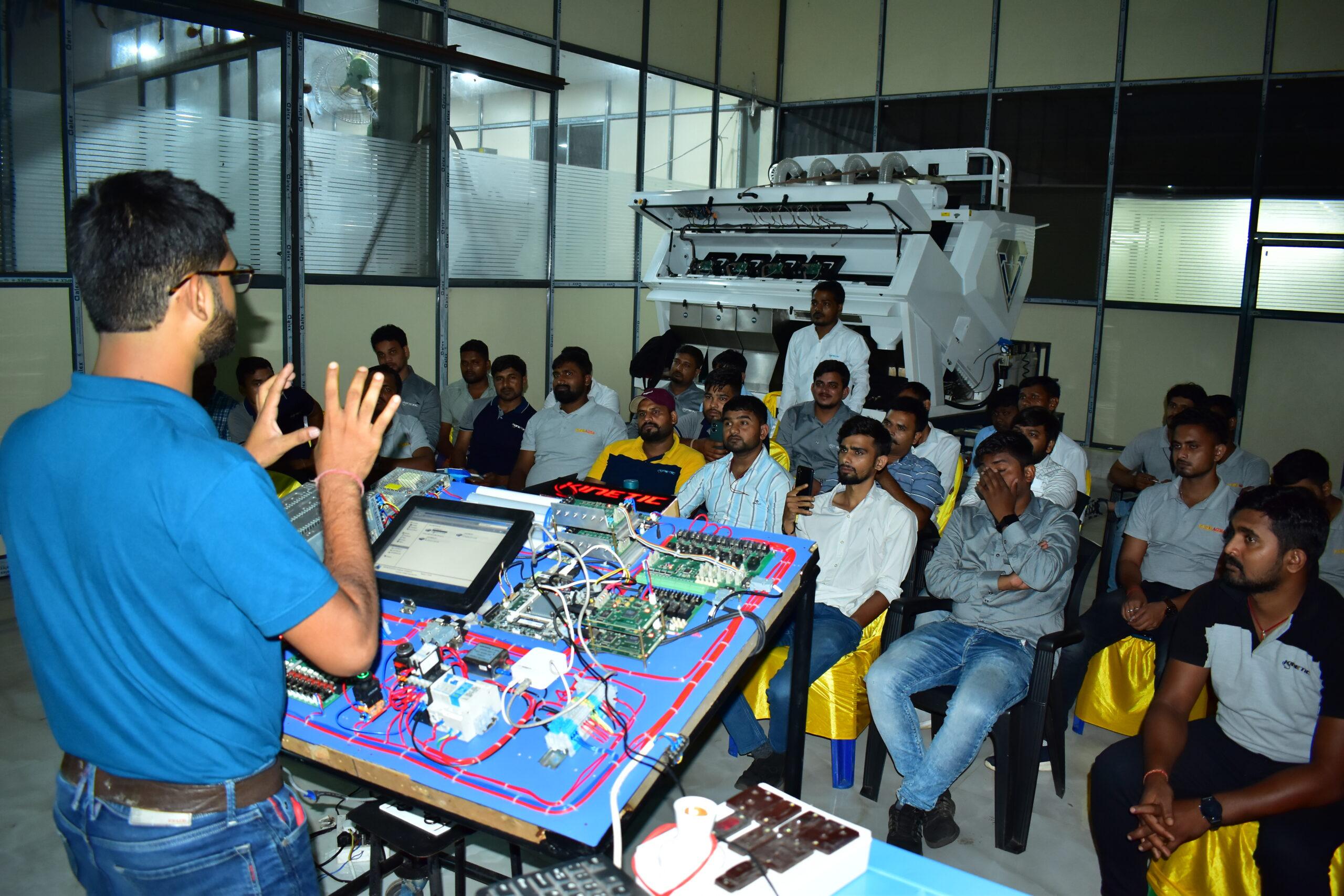
Rice Milling Plant Maintenance
In today’s competitive rice processing industry, maintaining machinery is not just a necessity—it’s a strategy for long-term profitability. Modern rice milling machines are built with advanced engineering and automation, but without proper maintenance, even the best equipment can lose efficiency over time.
At Kinetic Group, where innovation meets reliability, ensuring the longevity of machinery is a key part of delivering consistent performance and superior grain quality.
Why Maintenance is Crucial for Rice Milling Machines
Regular maintenance plays a vital role in:
- Ensuring consistent output quality
- Reducing grain breakage and wastage
- Preventing unexpected downtime
- Increasing machine lifespan
Modern milling systems are designed for high efficiency, minimal downtime, and long service life, but proper upkeep is essential to achieve these benefits consistently.
Key Maintenance Tips for Long-Term Performance
1. Regular Cleaning of Machinery
Dust, husk, and grain residues can accumulate inside machines like cleaners, polishers, and separators.
- Clean all components daily
- Prevent clogging and contamination
- Maintain hygiene for better grain quality
This is especially important in systems like fine cleaners and destoners, where impurities are removed at the initial stage.
2. Routine Inspection of Critical Components
Inspect parts such as:
- Belts and bearings
- Rollers and screens
- Motors and electrical panels
Early detection of wear and tear helps avoid costly repairs and ensures uninterrupted operations.
3. Proper Lubrication
Friction between moving parts can reduce efficiency and damage components.
- Use recommended lubricants
- Follow a fixed lubrication schedule
- Avoid over-lubrication
Well-lubricated machines run smoother and consume less energy.
4. Monitor Machine Calibration and Settings
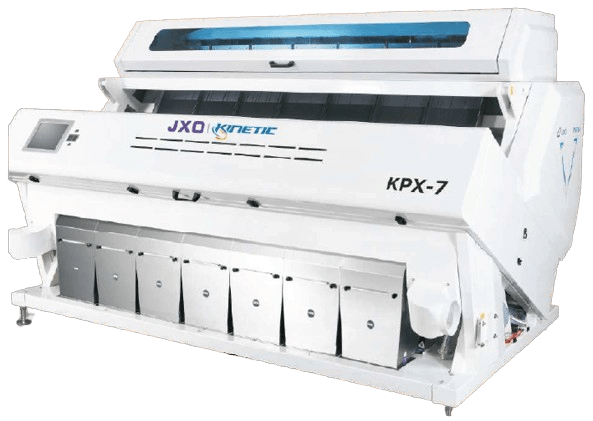
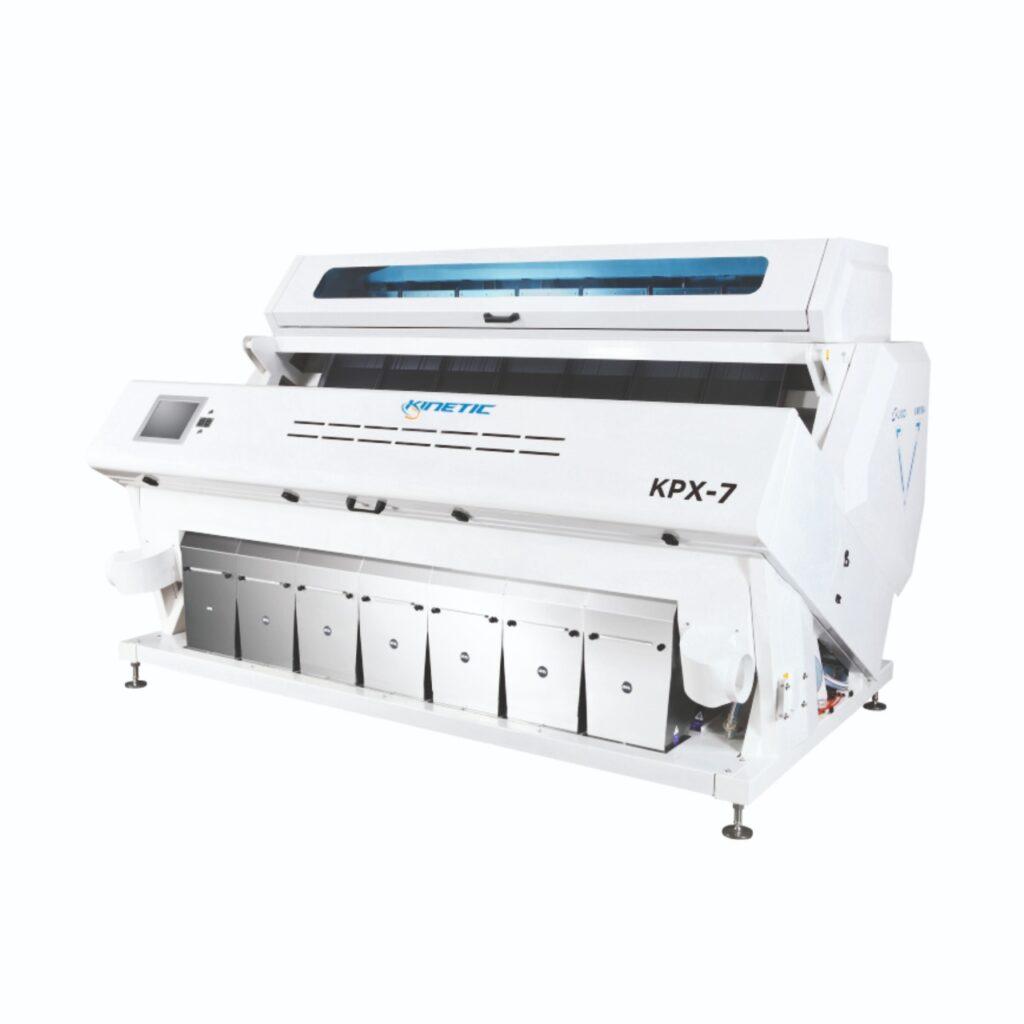
Machines like color sorters and graders require precise calibration.
- Check alignment and sensitivity regularly
- Ensure accurate sorting and grading
- Maintain export-quality standards
Advanced sorting systems help remove impurities and damaged grains effectively, improving overall output quality.
5. Preventive Maintenance Scheduling
Instead of waiting for breakdowns:
- Create a maintenance calendar
- Schedule periodic servicing
- Replace worn-out parts proactively
Preventive maintenance minimizes downtime and boosts productivity.
6. Train Operators for Efficient Handling
Even the most advanced machines require skilled handling.
- Train operators on proper usage
- Avoid overloading machines
- Follow safety protocols
Automation reduces manual errors, but trained manpower ensures maximum efficiency.
7. Use Genuine Spare Parts
Always use high-quality, compatible spare parts.
- Ensures better performance
- Extends machine life
- Reduces risk of breakdown
Reliable manufacturers provide durable components designed for long-term industrial use.
The Role of Advanced Technology in Easy Maintenance
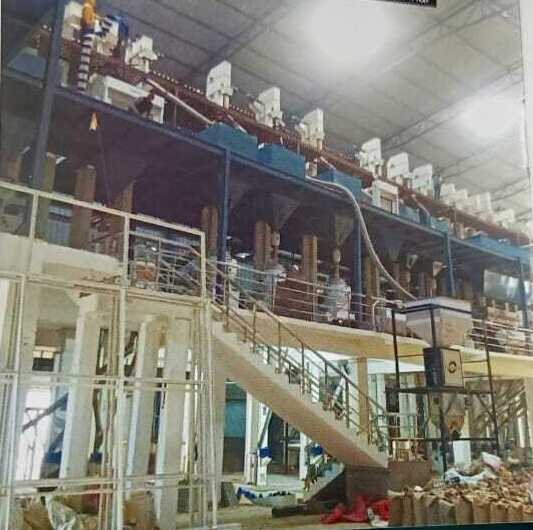
Modern rice milling plants are designed for:
- Low maintenance requirements
- Energy efficiency
- Automated monitoring systems
Automation not only improves productivity but also reduces manual intervention and operational errors, making maintenance easier and more efficient.
Long-Term Benefits of Proper Maintenance
By following the right maintenance practices, rice mill owners can:
- Increase machine lifespan
- Improve output quality
- Reduce operational costs
- Achieve higher profitability
Efficient machinery also contributes to sustainable processing by reducing waste and optimizing energy usage.
Conclusion
Maintaining rice milling machinery is the key to consistent performance and business success. With the right practices—regular cleaning, timely inspections, proper lubrication, and skilled operation—you can ensure your plant runs smoothly for years.
Partnering with Kinetic Group ensures not just high-quality machinery, but also long-term support, reliability, and performance-driven results.