Rice Mill Color Sorter Machine Profit Analysis
In the modern rice milling industry, success is no longer defined only by production volume—it is defined by quality, efficiency, and minimum wastage. Even a small percentage of defective grains can significantly reduce market value and export potential. This is where advanced color sorter machines from Kinetic Group are transforming rice mills into high-profit, low-loss production units.
Today’s mills are rapidly adopting optical sorting technology because it delivers one of the most impactful improvements in the entire processing chain—reducing losses by up to 40% while improving output quality simultaneously.
Understanding Where Rice Mill Losses Actually Occur
In traditional rice milling systems, losses happen at multiple stages:
- Broken and discolored grains mixed with final output
- Manual sorting errors and inconsistency
- Foreign materials like stones or husk particles
- Over-rejection during manual grading
- Lower market price due to poor visual quality
These small inefficiencies accumulate and directly impact profitability. In many cases, mills unknowingly lose a significant portion of usable rice due to outdated sorting methods.
How Color Sorter Machines Solve the Loss Problem
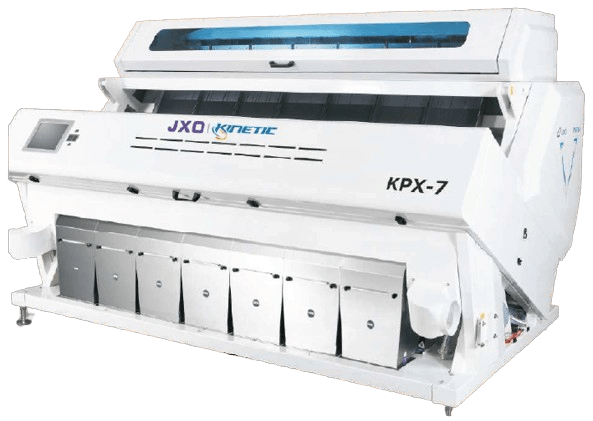
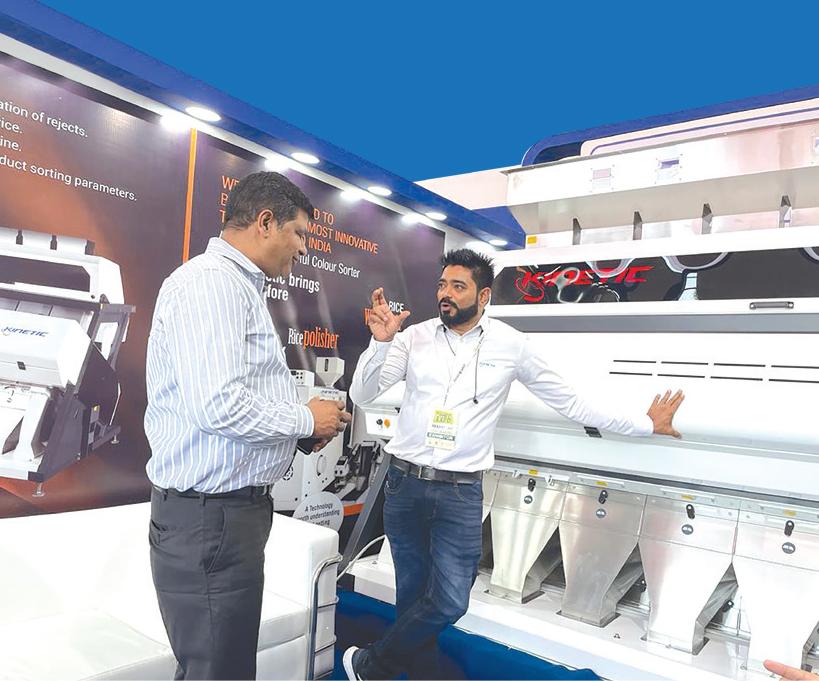
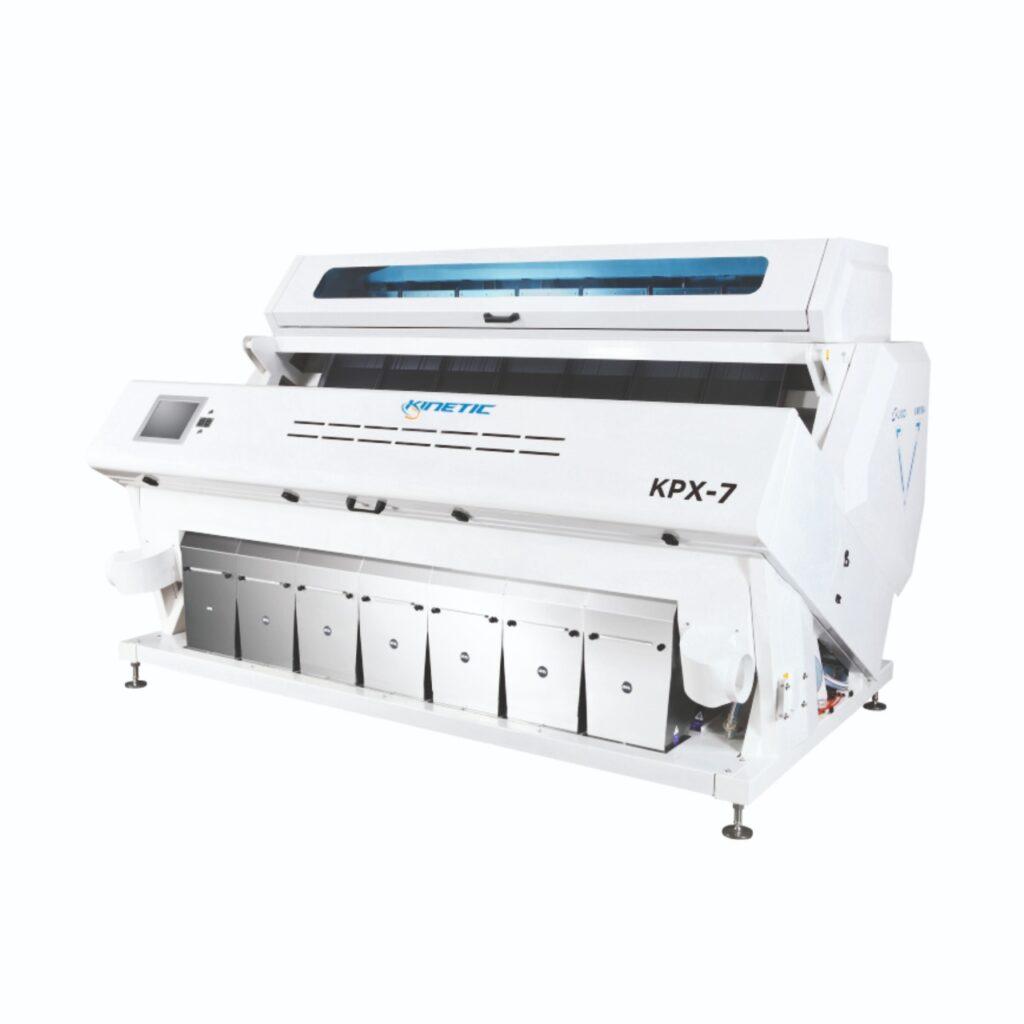
A color sorter machine uses high-resolution optical sensors and AI-based image processing to detect and remove defective grains in real time. Each grain is individually scanned for:
- Color variations
- Shape defects
- Broken or immature grains
- Foreign particles
Once detected, high-speed air jets instantly separate defective grains from good ones.
This precision-based process ensures that only premium-quality rice moves forward in packaging.
As a result, mills experience:
- Higher recovery of usable rice
- Lower rejection of good grains
- Improved batch consistency
Why Loss Reduction Can Reach Up to 40%
The “up to 40% loss reduction” comes from combined operational improvements:
1. Recovery of Good Grains
Manual sorting often mistakenly removes usable grains. Optical systems ensure only true defects are removed, increasing recovery rate.
2. Reduced Wastage of Mixed Batches
Color sorters separate impurities at microscopic accuracy, preventing entire batch downgrades.
3. Elimination of Human Error
Unlike manual labor, machines do not fatigue or make inconsistent judgments.
4. Higher Export Acceptance Rate
Export-quality rice requires uniformity. Color sorters ensure compliance with international standards, reducing rejection losses.
Business Impact for Rice Mills
Implementing Kinetic Group’s color sorter technology leads to measurable business improvements:
- 📈 Higher yield per batch
- 💰 Increased profit margin per ton
- 👷 Reduced dependency on manual labor
- 🚚 Better export-grade acceptance rate
- ⚙️ Faster processing with consistent output
Many rice mill owners observe a quick return on investment (ROI) due to savings in wastage and labor costs.
Role of Kinetic Group in Modern Rice Milling
At Kinetic Group, our advanced color sorter technology is designed specifically for Indian and global rice milling conditions. Built with precision optics, smart sensors, and high-speed processing capability, our machines ensure:
- Maximum grain recovery
- Minimal operational loss
- Consistent premium-grade output
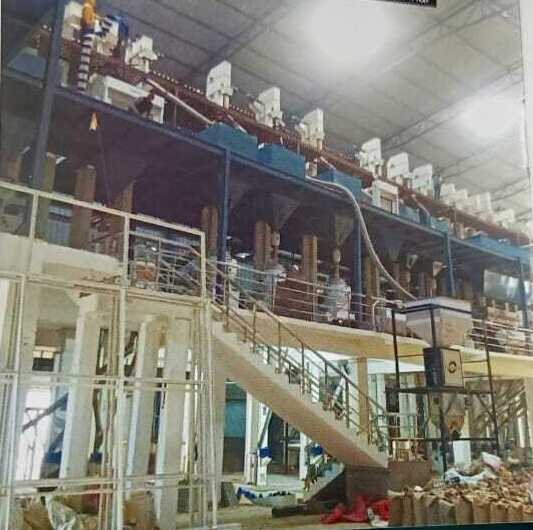
- Seamless integration with rice mill plants
We focus on helping rice mills shift from traditional inefficiency to smart, automated, and profit-driven production systems.
Final Thoughts
In today’s competitive rice industry, reducing loss is not optional—it is essential for survival and growth. A color sorter machine is not just an equipment upgrade; it is a profit optimization tool.
By reducing losses by up to 40%, improving quality consistency, and increasing export readiness, Kinetic Group’s technology is helping rice mills achieve a new level of operational excellence.