How to Start Rice Mill Business in India
India is one of the largest producers and consumers of rice in the world, making rice milling a highly promising business opportunity. With rising demand, improved technology, and government support for agro-processing, starting a rice mill today can be both scalable and profitable.
However, success in this industry depends on the right planning, technology, and execution. This guide outlines everything a beginner needs to know to start a profitable rice mill in India.
Why Rice Milling is a Profitable Business
Rice is a staple food for millions, ensuring consistent demand throughout the year. The rice milling industry plays a crucial role in converting raw paddy into consumable rice through a structured process.
Key reasons why this business is profitable:
- High domestic consumption and export potential
- Value-added by-products like bran and husk
- Growing demand for premium quality rice
- Increasing adoption of modern milling technology
Types of Rice Mills
Before starting, it is important to choose the right type of rice mill based on investment and scale:
1. Small-Scale Rice Mill
- Suitable for local markets
- Lower investment
- Limited production capacity
2. Semi-Automatic Rice Mill
- Moderate investment
- Requires some manual intervention
- Balanced output and cost
3. Fully Automatic Rice Mill
- High investment but maximum efficiency
- Minimal labor dependency
- Higher productivity and consistent quality
Modern automated systems streamline the entire process—from cleaning to polishing—ensuring better output and reduced wastage.
Investment and Cost Breakdown
Starting a rice mill involves multiple cost components:
1. Land and Infrastructure
- Industrial land or rural setup
- Storage space for paddy and finished rice
2. Machinery and Equipment
A complete rice mill requires:
- Paddy cleaner and destoner
- Rice huller and separator
- Rice whitener and polisher
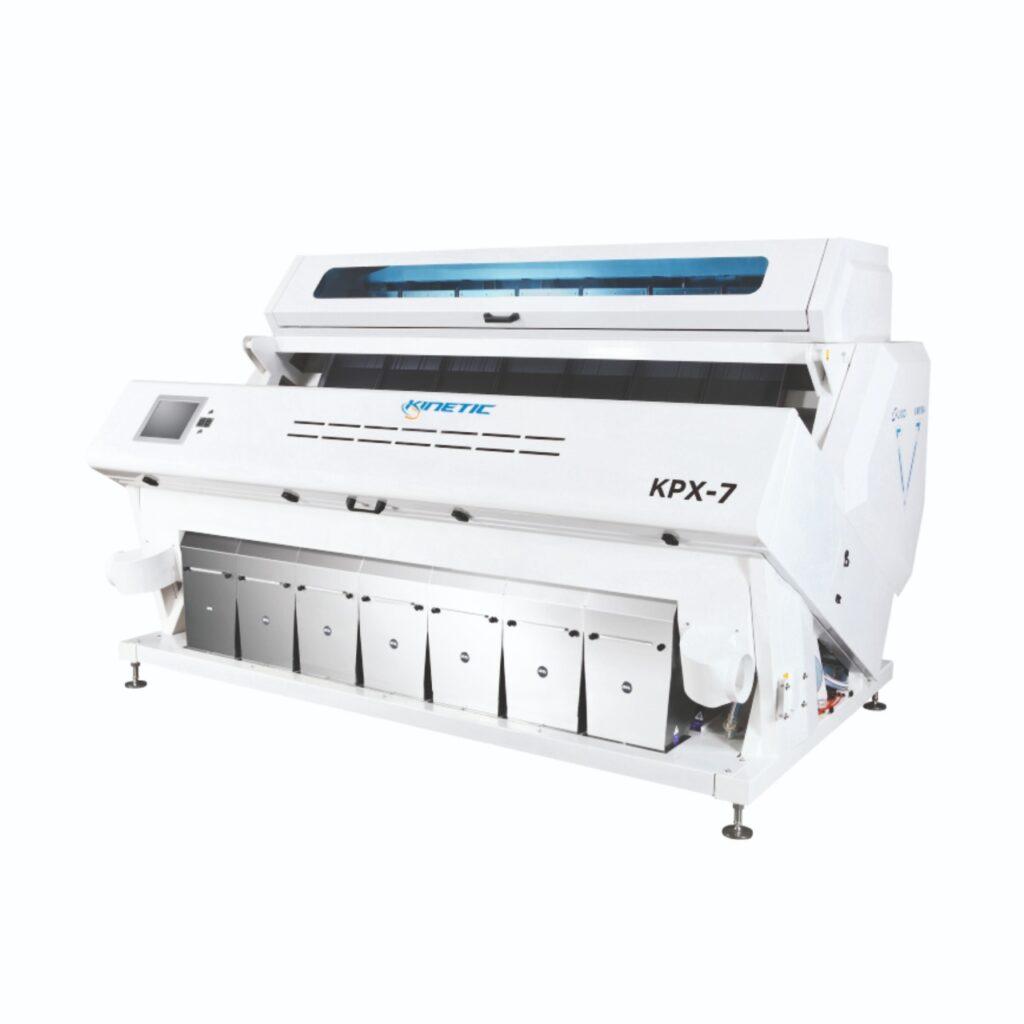
- Grading and sorting machines
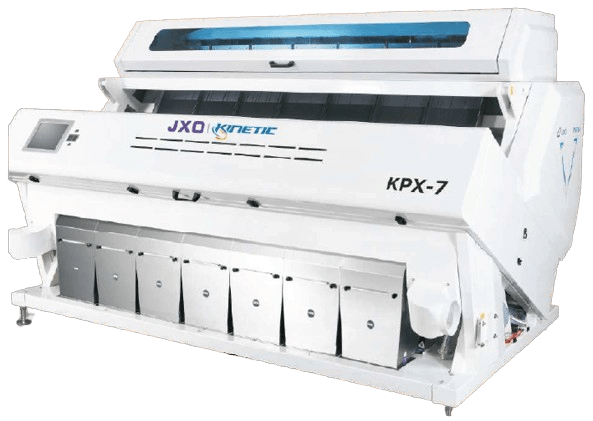
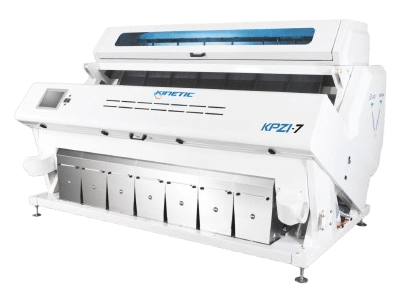
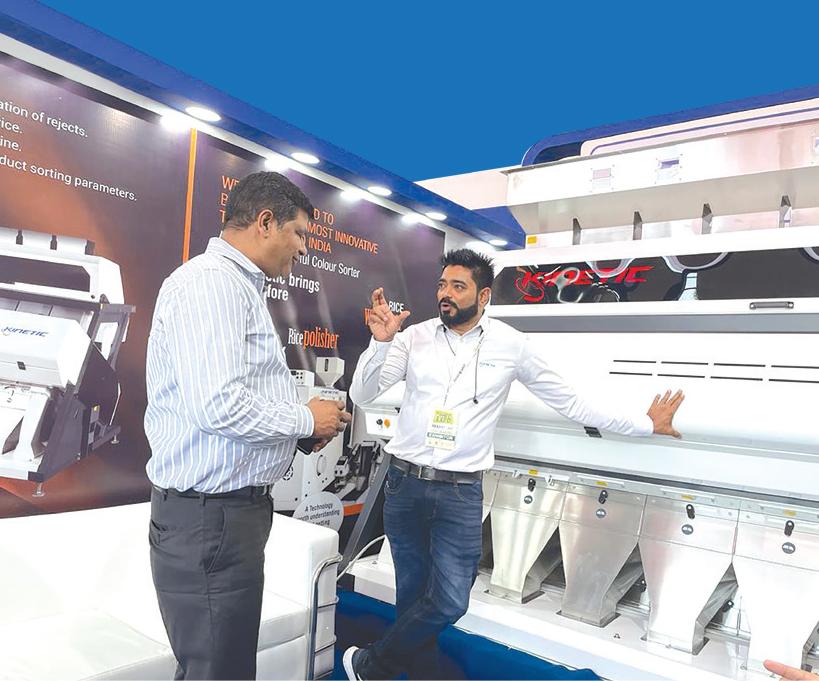
- Color sorter for quality control
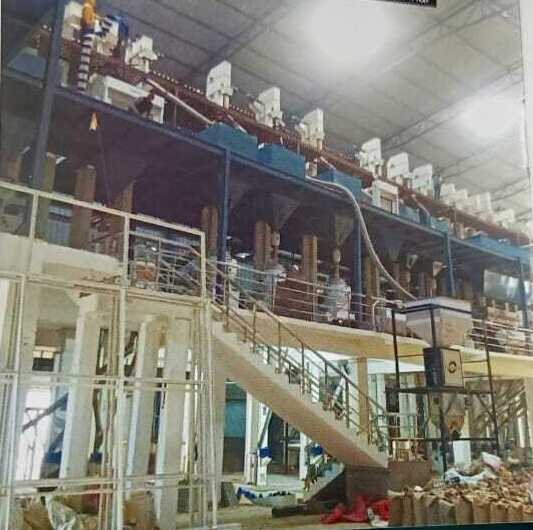
Turnkey solutions integrate all these processes into a single streamlined system, improving efficiency and output.
3. Operational Costs
- Labor
- Electricity and maintenance
- Transportation and logistics
Step-by-Step Process to Set Up a Rice Mill
Step 1: Market Research
Understand local demand, competition, and target market (domestic or export).
Step 2: Business Plan and Budgeting
Prepare a detailed plan including:
- Investment
- Expected production
- Profit margins
Step 3: Licenses and Registrations
Obtain required approvals such as:
- FSSAI registration
- Pollution control clearance
- Business registration
Step 4: Machinery Selection
Choosing the right machinery is critical. Advanced rice milling machines are designed for:
- Higher yield
- Minimal grain breakage
- Energy efficiency
Modern systems also include automation and real-time monitoring, improving operational efficiency.
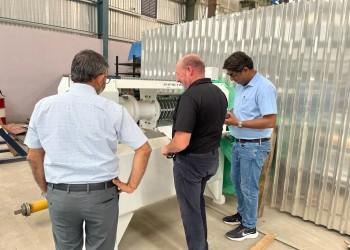
Step 5: Installation and Trial Run
After setup:
- Test the machinery
- Train staff
- Ensure smooth workflow
Common Mistakes to Avoid
Many beginners face challenges due to poor planning. Avoid these common mistakes:
- Choosing incorrect plant capacity
- Ignoring automation and modern technology
- Compromising on machinery quality
- Lack of proper maintenance planning
Investing in reliable and efficient systems ensures long-term profitability.
Role of Technology in Profitability
Technology plays a key role in modern rice milling:
- Automated systems reduce labor costs
- Advanced sorting improves rice quality
- Energy-efficient machines lower operational expenses
- Integrated plants ensure seamless workflow
Innovative and automated milling solutions help businesses scale faster while maintaining consistent quality.
How the Right Partner Makes a Difference
Starting a rice mill is not just about buying machines—it is about building a complete system. A reliable solution provider ensures:
- Customized plant design
- End-to-end installation
- Technical support and maintenance
- Long-term operational efficiency
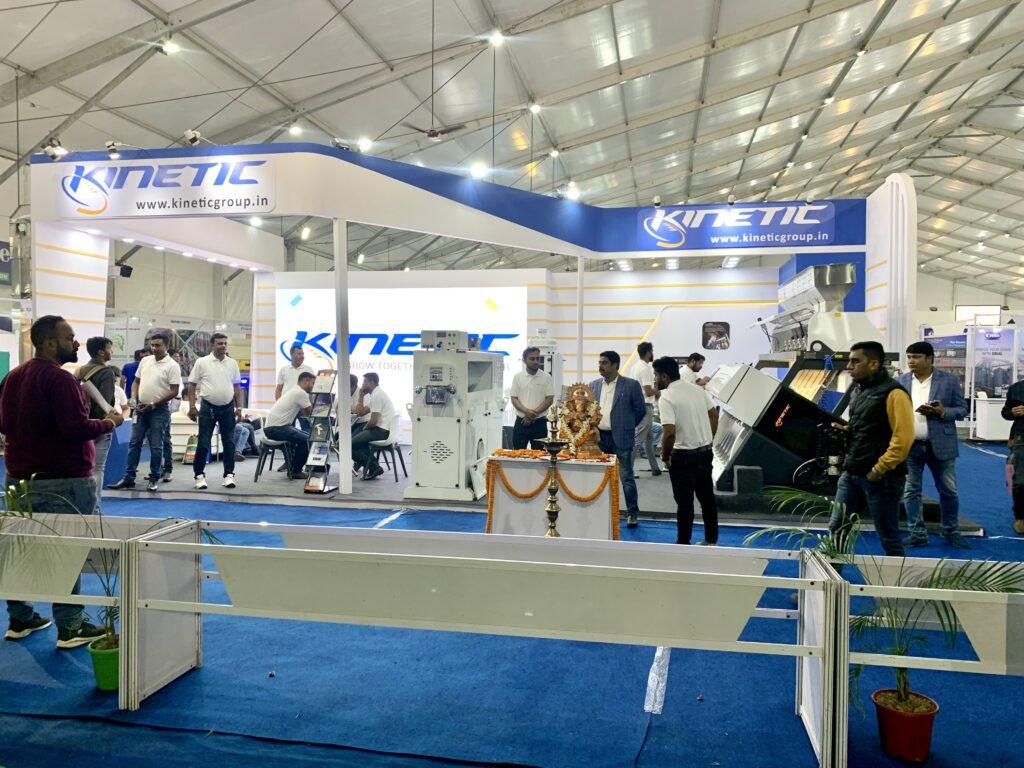
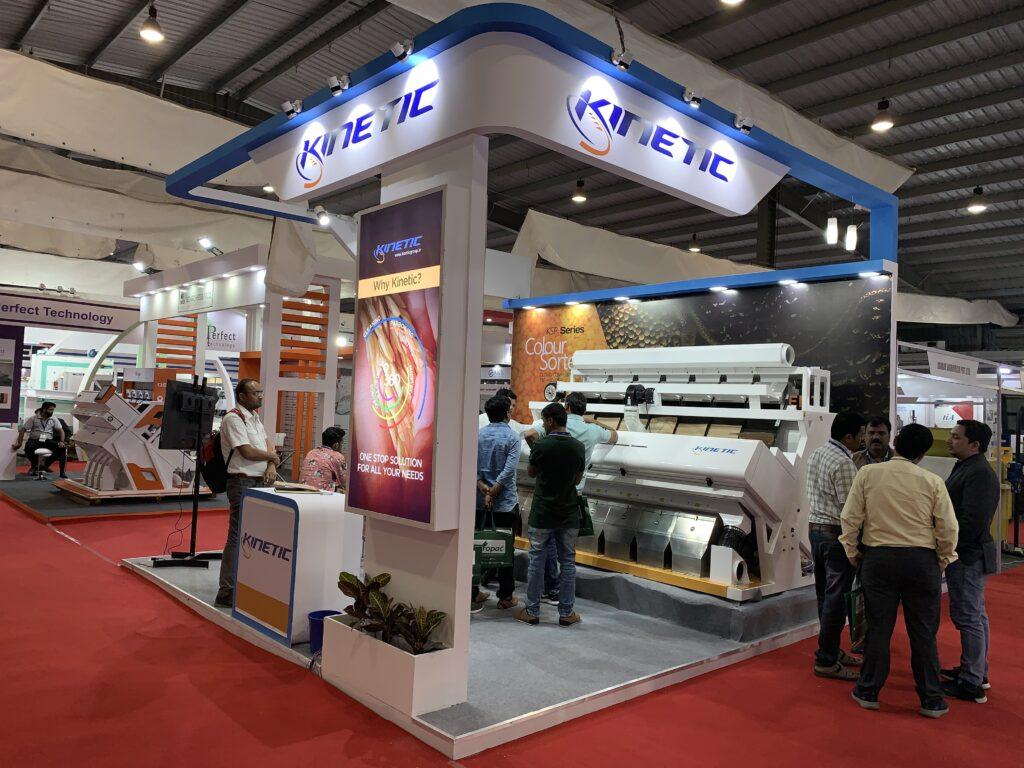
Companies like Kinetic Group provide turnkey grain milling solutions, helping businesses set up and operate efficiently with advanced technology and expert support.
Conclusion
Starting a rice mill in India is a strong business opportunity, but success depends on the right approach. From planning and investment to technology and execution, every step plays a crucial role in profitability.
With modern machinery, proper planning, and the right support system, a rice mill can become a scalable and sustainable business. The key is to focus on efficiency, quality, and long-term growth from the very beginning.