Future of Rice Milling Industry in India
India is one of the largest producers and exporters of rice in the world, making the rice milling industry a crucial part of the country’s agricultural and industrial economy. With evolving technologies, changing consumer demands, and increasing global competition, the future of rice milling in India is undergoing a significant transformation. Businesses that adapt to these emerging trends will gain a strong competitive edge in the coming years.
Growing Demand for High-Quality Rice
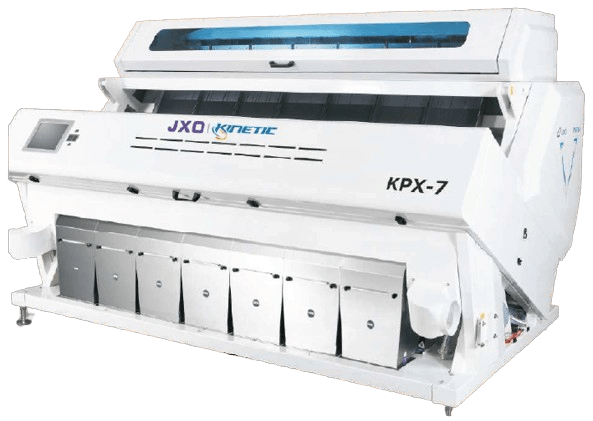
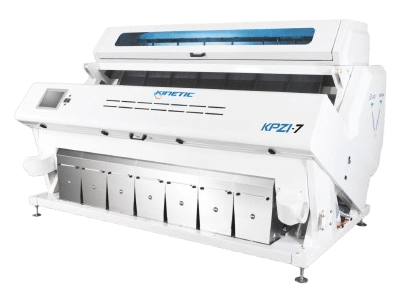
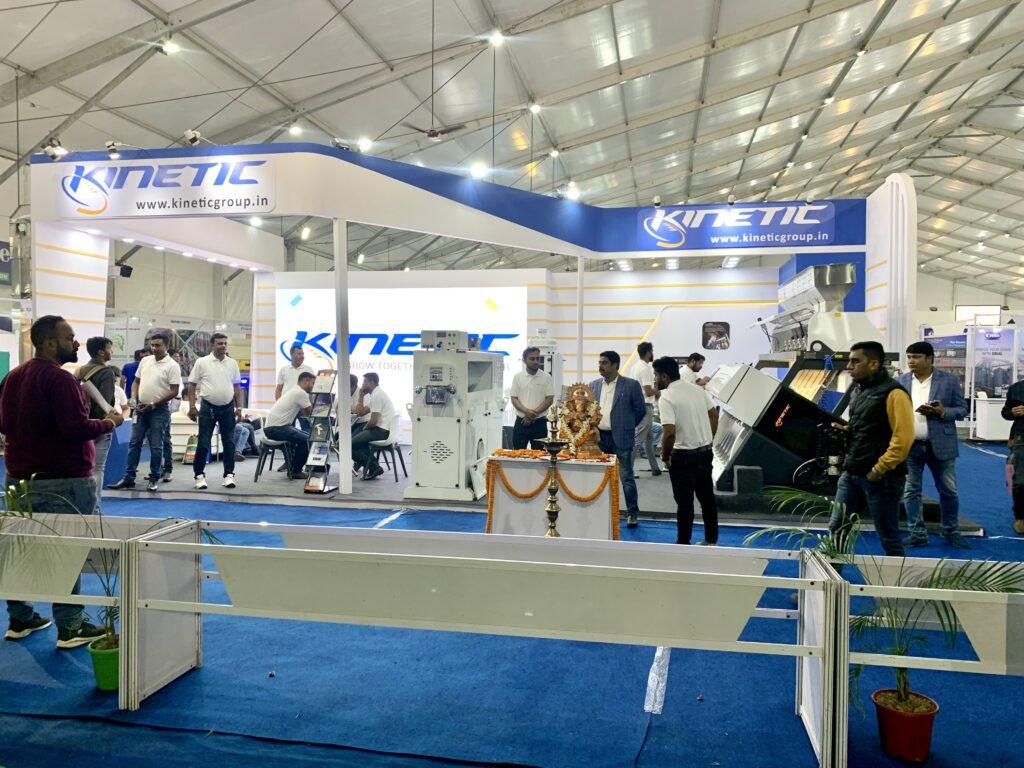
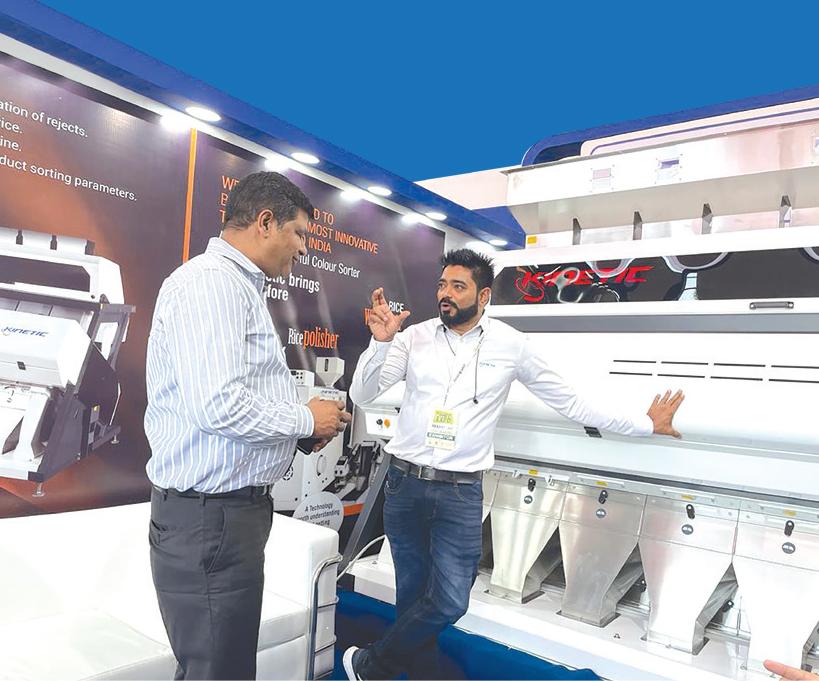
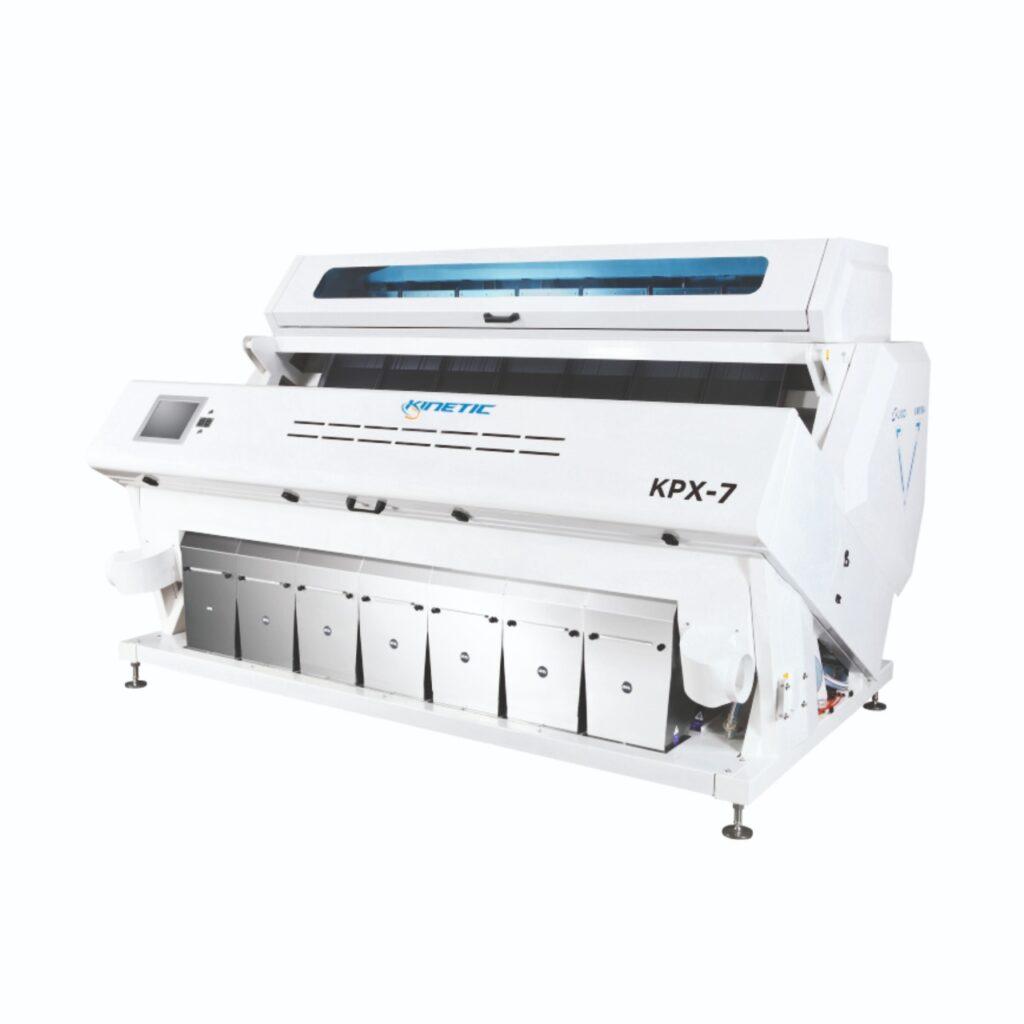
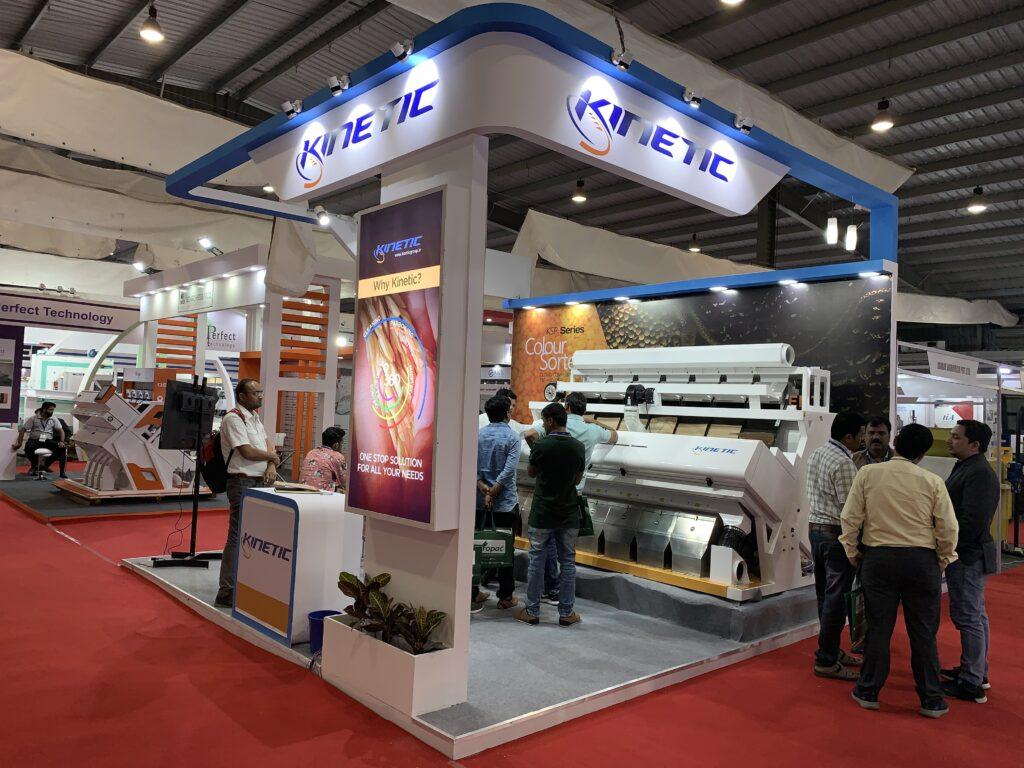
Consumers today are more quality-conscious than ever before. Both domestic and international markets demand uniform, polished, and contamination-free rice. This has increased the need for advanced processing technologies such as color sorters and precision milling systems. Companies like Kinetic Group are playing a vital role by providing high-performance solutions that ensure superior grain quality and consistency.
Automation and Smart Milling Technologies
Automation is rapidly transforming traditional rice mills into smart, efficient production units. Modern rice milling plants are now equipped with automated control systems, reducing manual intervention and minimizing human error. Technologies such as sensor-based sorting, AI-driven monitoring, and real-time data analysis are becoming the new standard, helping mill owners improve productivity and reduce operational costs.
Rise of Turnkey Rice Mill Solutions
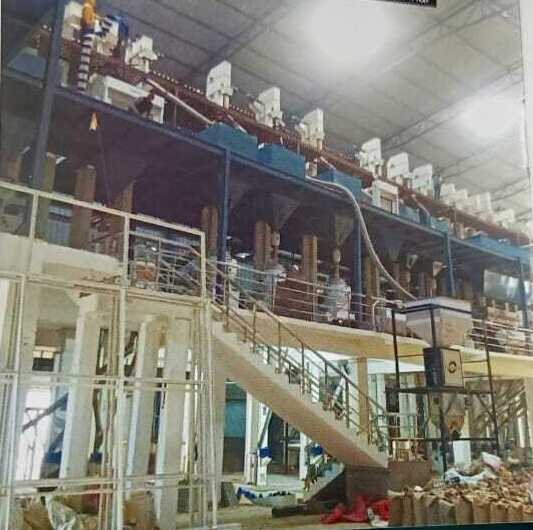
Entrepreneurs and investors are increasingly opting for turnkey rice mill solutions that offer end-to-end services—from design and installation to commissioning. This trend simplifies the setup process and ensures optimal performance from day one. Kinetic Group’s expertise in delivering complete rice milling plants makes it a preferred partner for businesses looking for hassle-free and scalable solutions.
Focus on Energy Efficiency and Sustainability
With rising energy costs and environmental concerns, energy-efficient machinery is becoming a priority. Modern rice mills are adopting eco-friendly technologies that reduce power consumption and waste generation. Sustainable practices not only lower operational costs but also enhance brand value in global markets where environmental compliance is crucial.
Expansion of Rice Export Market
India’s rice export market continues to grow, driven by increasing global demand. This creates new opportunities for rice millers to expand their operations and improve production capacity. To meet international standards, mills must invest in advanced machinery and maintain strict quality control measures, further boosting the demand for innovative milling solutions.
Digital Integration and Industry 4.0
The integration of digital technologies is another key trend shaping the future of rice milling. From remote monitoring systems to cloud-based performance tracking, digital tools are helping mill owners make data-driven decisions. This shift towards Industry 4.0 is enabling better efficiency, predictive maintenance, and improved overall plant performance.
Opportunities for Small and Medium Enterprises
The future of rice milling is not limited to large-scale industries. With government support, subsidies, and access to modern machinery, small and medium enterprises (SMEs) are also entering the market. Compact and cost-effective milling solutions are enabling these businesses to compete effectively while maintaining quality standards.
Conclusion
The rice milling industry in India is entering a new era driven by innovation, automation, and global demand. Businesses that invest in advanced technologies, energy-efficient systems, and turnkey solutions will be well-positioned for long-term success.
Kinetic Group continues to lead this transformation by delivering cutting-edge rice milling machinery and complete plant solutions, helping clients stay ahead in an increasingly competitive market. If you are planning to upgrade your existing mill or set up a new rice milling plant, now is the perfect time to embrace the future.