Rice Recovery Rate
Rice milling is a highly competitive industry where even a small improvement in recovery rate can significantly impact profitability. For rice mill owners, maximizing rice output from every tonne of paddy is one of the most important factors for increasing revenue and reducing losses.
The rice recovery rate depends on several factors, including paddy quality, milling process efficiency, machine performance, and technology used in the rice mill plant. With the advancement of modern rice milling technology, mill owners can achieve higher recovery rates, better grain quality, and improved operational efficiency.
Kinetic Group provides advanced rice milling solutions designed to enhance productivity, minimize grain breakage, and help rice processors achieve better profitability.
What is Rice Recovery Rate?
Rice recovery rate refers to the percentage of finished rice obtained from a specific quantity of paddy after the milling process.
For example:
If a rice mill processes 1000 kg of paddy and produces 650 kg of finished rice, the recovery rate is 65%.
A higher recovery rate means:
- More saleable rice production
- Less grain loss
- Higher profit margins
- Better utilization of raw materials
Why Rice Recovery Rate is Important for Rice Mill Profitability
The profitability of a rice mill depends largely on how efficiently paddy is converted into quality rice. A low recovery rate can lead to:
- Increased production costs
- Higher grain wastage
- Reduced profitability
- Poor market competitiveness
Modern rice milling technology helps optimize every stage of processing, ensuring maximum rice output with minimum losses.
Factors Affecting Rice Recovery Rate
1. Quality of Paddy
The quality of raw paddy directly affects milling performance. Factors such as moisture content, grain variety, impurities, and broken grains influence the final recovery percentage.
Proper cleaning, drying, and storage of paddy help maintain better milling results.
2. Efficient Paddy Cleaning Process
Before milling, paddy must be cleaned properly to remove:
- Stones
- Dust
- Foreign materials
- Sand particles
- Other impurities
Advanced cleaning equipment like Fine Cleaners and Destoners improves the quality of input material and protects milling machinery from damage.
3. Proper Paddy Separation
After husking, separating brown rice from unhusked paddy is essential.
Modern Paddy Separators help recover remaining paddy efficiently, reducing unnecessary losses and improving overall production output.
4. Advanced Rice Whitening Technology
The whitening process plays an important role in maintaining rice quality.
Traditional machines may cause excessive grain breakage during whitening. Modern rice whiteners provide:
- Better surface finishing
- Lower broken rice percentage
- Improved grain appearance
- Higher recovery rate
5. Rice Polishing Efficiency
Consumers prefer rice with better appearance and quality. A modern rice polishing system enhances:
- Shine and smoothness
- Market value
- Export quality standards
Efficient polishing also helps maintain better grain structure.
How Modern Rice Milling Technology Improves Recovery Rate
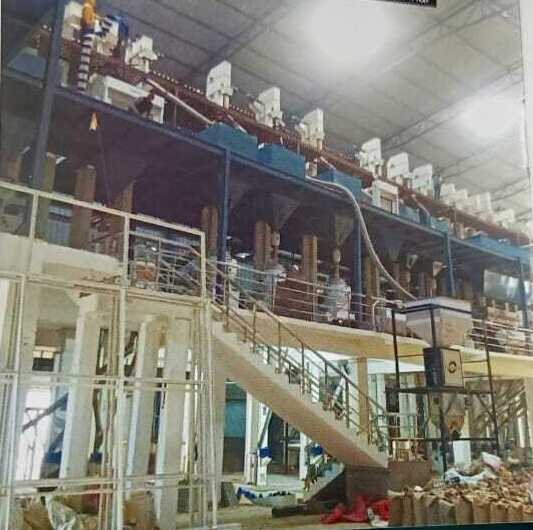
1. Automated Rice Milling Plants
Automation reduces human errors and improves process control.
Benefits include:
- Consistent production quality
- Reduced grain damage
- Better monitoring
- Higher productivity
Automatic rice mill plants allow operators to maintain optimum conditions throughout the milling process.
2. Reduced Broken Rice Percentage
Broken rice significantly affects profitability because whole grains have higher market value.
Modern milling machines are designed to:
- Reduce mechanical stress
- Maintain proper pressure levels
- Improve grain handling
This results in more head rice production and better revenue.
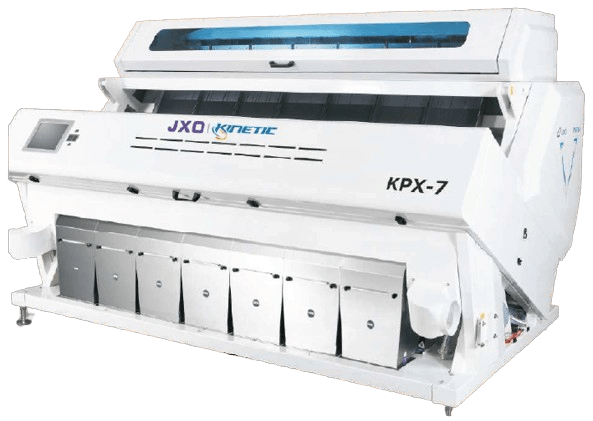
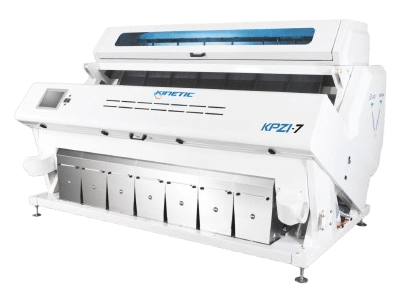
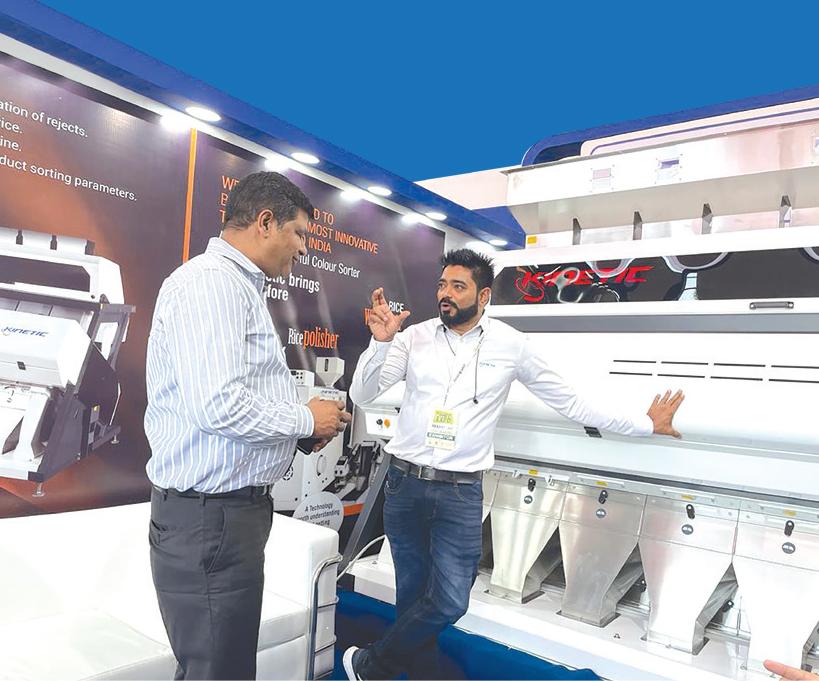
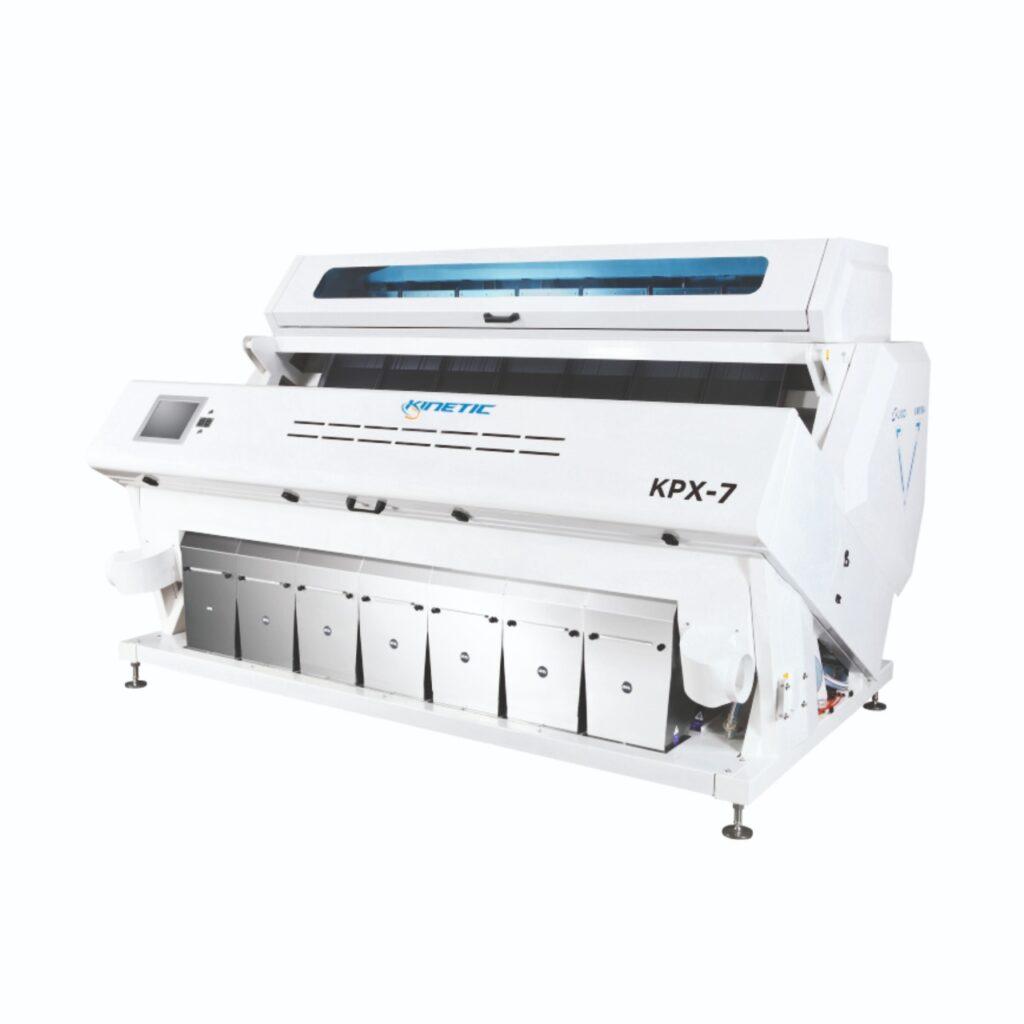
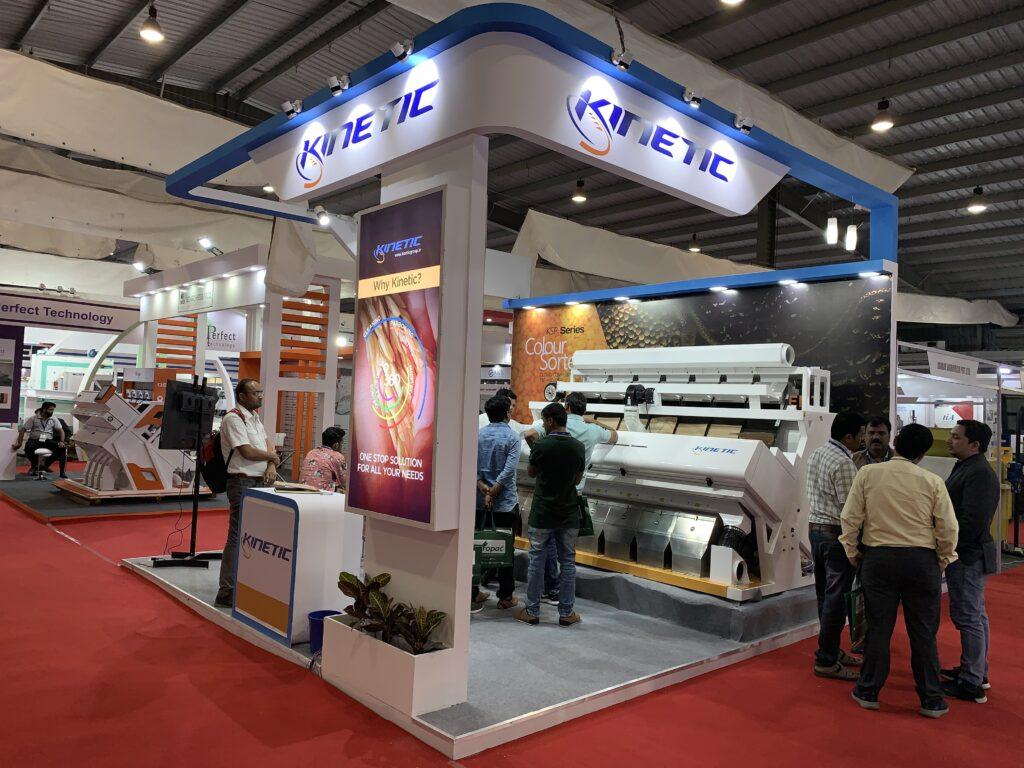
3. Optical Color Sorting Technology
Color sorting machines play an important role in improving final product quality.
Advanced rice color sorters remove:
- Discolored grains
- Defective grains
- Foreign particles
This helps rice mills produce premium-quality rice suitable for domestic and export markets.
4. Energy-Efficient Machinery
Modern rice milling equipment consumes less energy while maintaining higher production capacity.
Lower energy consumption helps reduce operational expenses and improves overall profitability.
Role of Kinetic Group in Improving Rice Mill Efficiency
Kinetic Group offers complete rice milling solutions designed for modern grain processing requirements.
Their range includes:
- Rice Milling Machines
- Paddy Cleaning Systems
- Paddy Separators
- Rice Whiteners
- Rice Polishers
- Paddy Dryers
- Parboiling Plants
- Color Sorters
- Complete Rice Mill Plants
With advanced engineering and reliable technology, Kinetic Group helps rice mill owners improve production efficiency, reduce losses, and achieve higher returns.
Tips to Increase Rice Recovery Rate in Your Mill
Rice mill owners can improve recovery by following these practices:
- Use high-quality paddy
- Maintain correct moisture levels
- Upgrade outdated machinery
- Perform regular machine maintenance
- Reduce unnecessary grain handling
- Monitor broken rice percentage
- Invest in automation technology
Conclusion
Rice recovery rate is one of the most important factors that determine the success of a rice milling business. By adopting modern rice milling technology, mill owners can reduce wastage, improve grain quality, increase production efficiency, and achieve higher profitability.
Investing in advanced machinery is not only about improving output—it is about building a more efficient and sustainable rice processing business.
For reliable and advanced rice milling solutions, choose Kinetic Group to optimize your rice mill performance and maximize recovery rates.