
Energy Efficiency in Rice Mills
Rice milling is one of the most energy-intensive processes in the agro-processing industry. From drying and dehusking to polishing and sorting, every stage requires significant power consumption. Electricity alone can account for a major share of operational costs in a rice mill.
As energy prices continue to rise, improving energy efficiency is no longer optional—it is essential. By adopting modern technology and smart operational strategies, rice mill owners can reduce costs, improve output, and increase profitability without expanding production capacity.
Why Energy Efficiency Matters in Rice Milling
Energy efficiency directly impacts both profit margins and sustainability:
- Energy is a key production factor in rice milling, alongside labor and raw materials
- High energy consumption increases operational costs
- Inefficient systems reduce yield and machine lifespan
- Excess energy use contributes to environmental impact
Modern mills that focus on efficiency can significantly reduce electricity usage while maintaining output quality.
Key Areas Where Energy Is Consumed
Understanding where energy is used is the first step toward optimization:
- Dryers (highest energy consumption)
- Dehusking machines
- Polishers and graders
- Conveyors, elevators, and blowers
- Lighting and auxiliary systems
Dryers alone can consume a large portion of total energy, making them a primary target for efficiency improvements.
Proven Ways to Improve Energy Efficiency
1. Upgrade to Energy-Efficient Machinery
Older machines consume more power due to outdated technology. Upgrading to modern equipment:
- Reduces electricity consumption
- Improves rice quality and yield
- Lowers maintenance costs
2. Install Variable Frequency Drives (VFDs)
Variable Frequency Drives allow machines to operate at optimal speeds rather than running at full capacity continuously.
Benefits include:
- Reduced energy consumption
- Improved process control
- Extended motor life
3. Optimize Dryer Efficiency
Drying is one of the most energy-intensive processes in rice milling.
Best practices include:
- Maintaining proper moisture levels
- Avoiding over-drying
- Eliminating air leaks
- Using energy-efficient drying systems
4. Improve Airflow and Ducting Systems
Poor airflow design leads to energy losses.
Recommended actions:
- Repair duct leakages
- Clean ducts regularly
- Optimize blower performance
5. Regular Maintenance
Minor mechanical issues can significantly increase power consumption:
- Worn bearings
- Loose belts
- Dust accumulation
Routine maintenance ensures smooth operation, lower energy usage, and longer equipment life.
6. Use Automation and Smart Monitoring Systems
Modern rice mills are adopting automation technologies to enhance efficiency:
- Real-time energy monitoring
- Automatic speed and load adjustments
- Reduced idle energy consumption
These systems improve both operational efficiency and consistency.
7. Power Factor Correction
Low power factor leads to higher electricity costs and energy losses.
Installing power factor correction systems:
- Improves electrical efficiency
- Reduces energy waste
- Prevents penalty charges
8. Smart Scheduling and Load Management
Effective scheduling can reduce peak energy demand:
- Operate high-energy machines during off-peak hours
- Avoid running all equipment simultaneously
- Distribute load evenly across processes
9. Invest in Renewable Energy
Integrating renewable energy sources such as solar power can:
- Reduce dependency on grid electricity
- Lower long-term energy costs
- Support sustainability initiatives
Business Benefits of Energy Efficiency
Improving energy efficiency delivers multiple advantages:
- Lower operational costs
- Higher profit margins
- Improved product quality and yield
- Reduced downtime
- Extended equipment lifespan
- Environmentally responsible operations
Future of Energy-Efficient Rice Milling
The rice milling industry is evolving with advanced technologies:
- AI-based energy optimization
- IoT-enabled monitoring systems
- Fully automated smart mills
- Integration of renewable energy solutions
These innovations will make rice milling more cost-effective, scalable, and sustainable.
How Engineering Solutions Support Efficiency
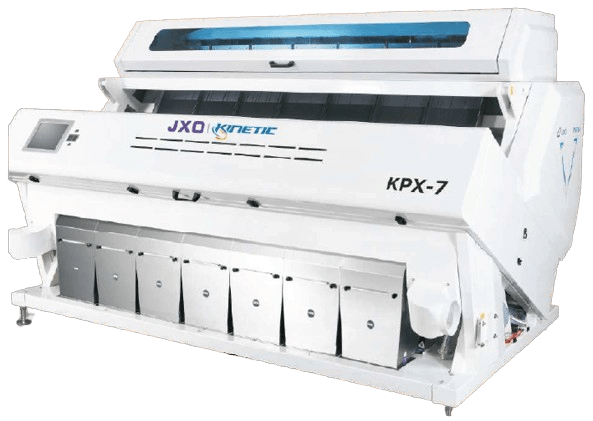
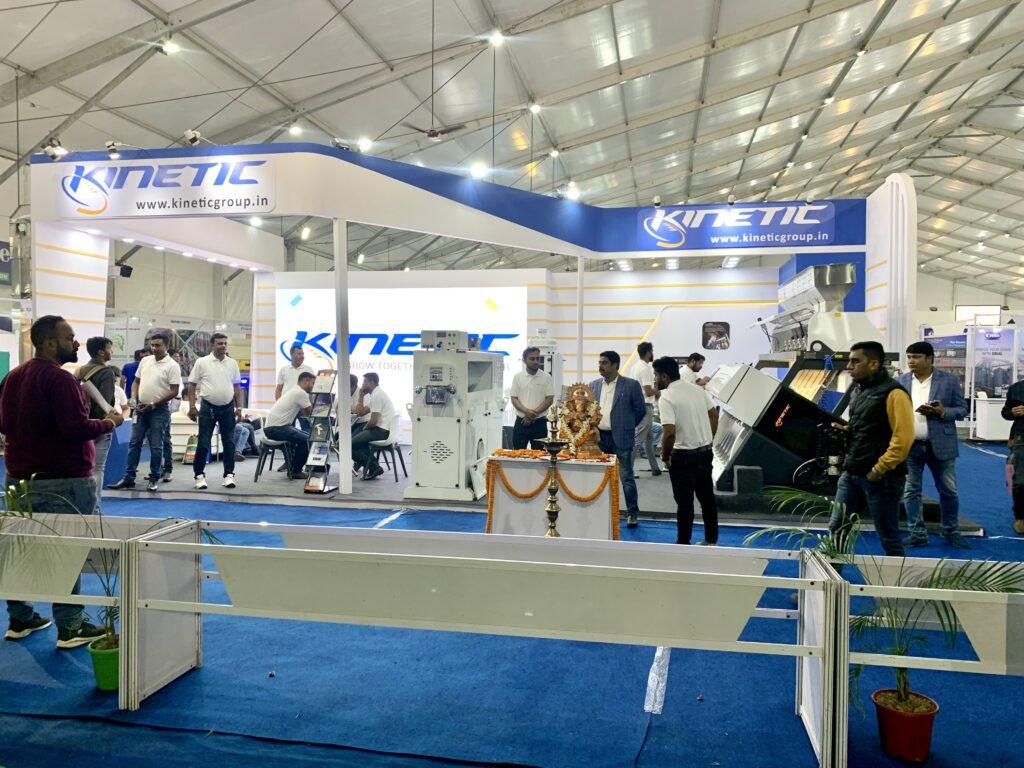
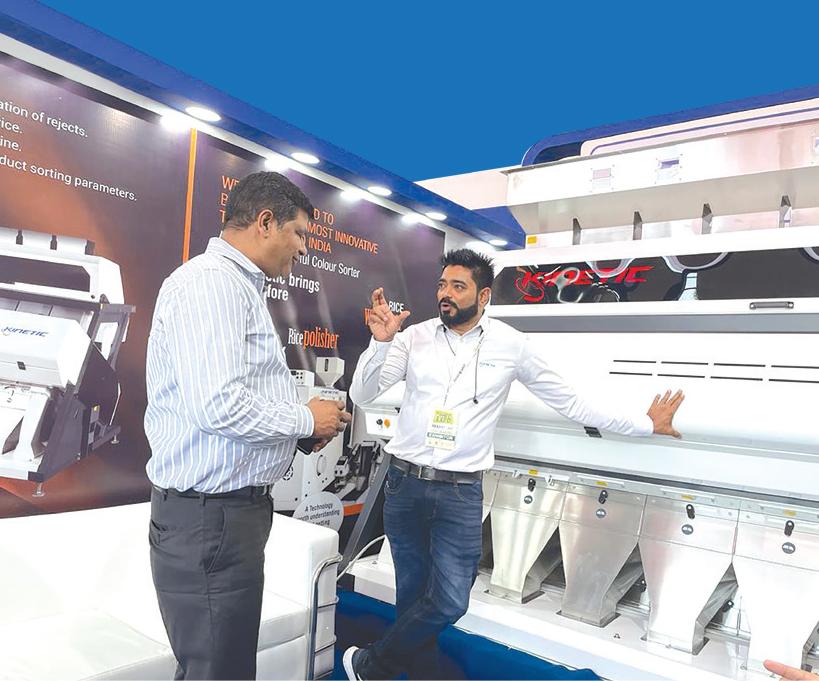
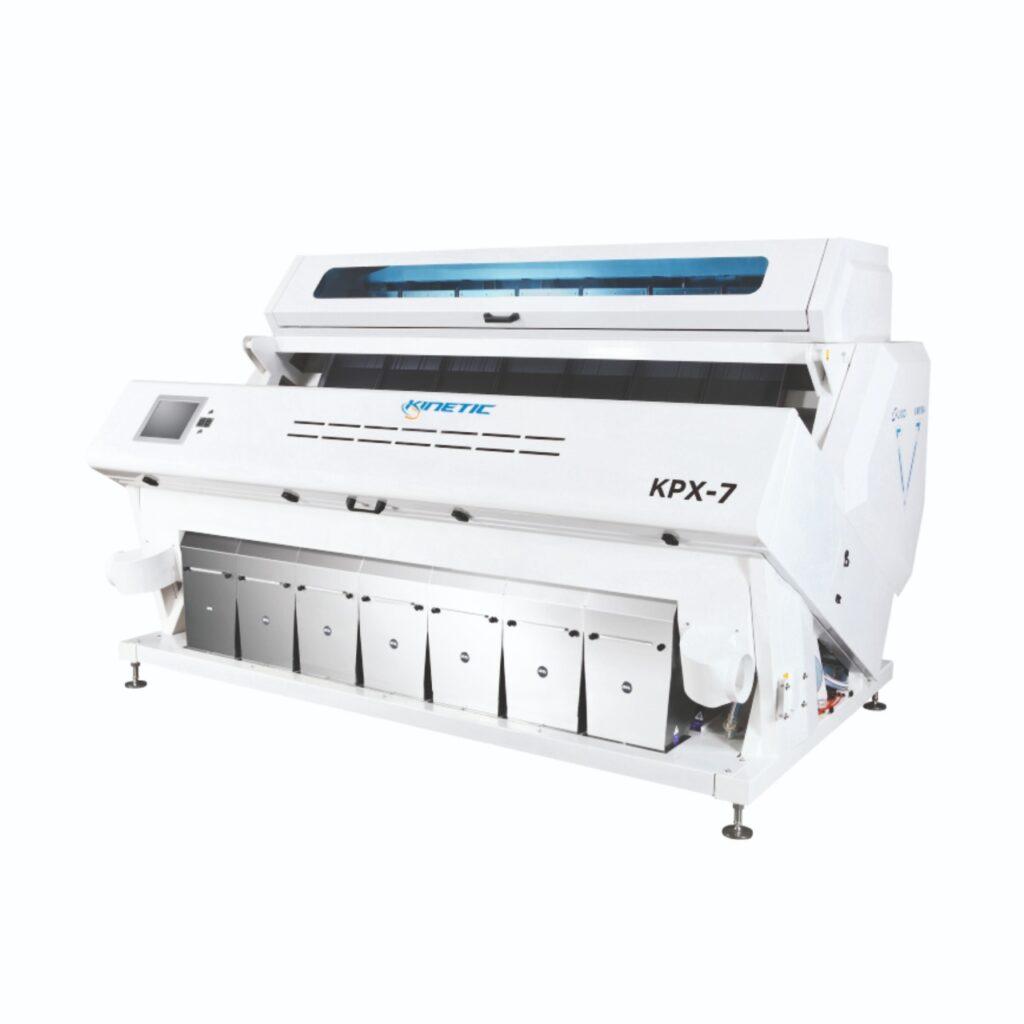
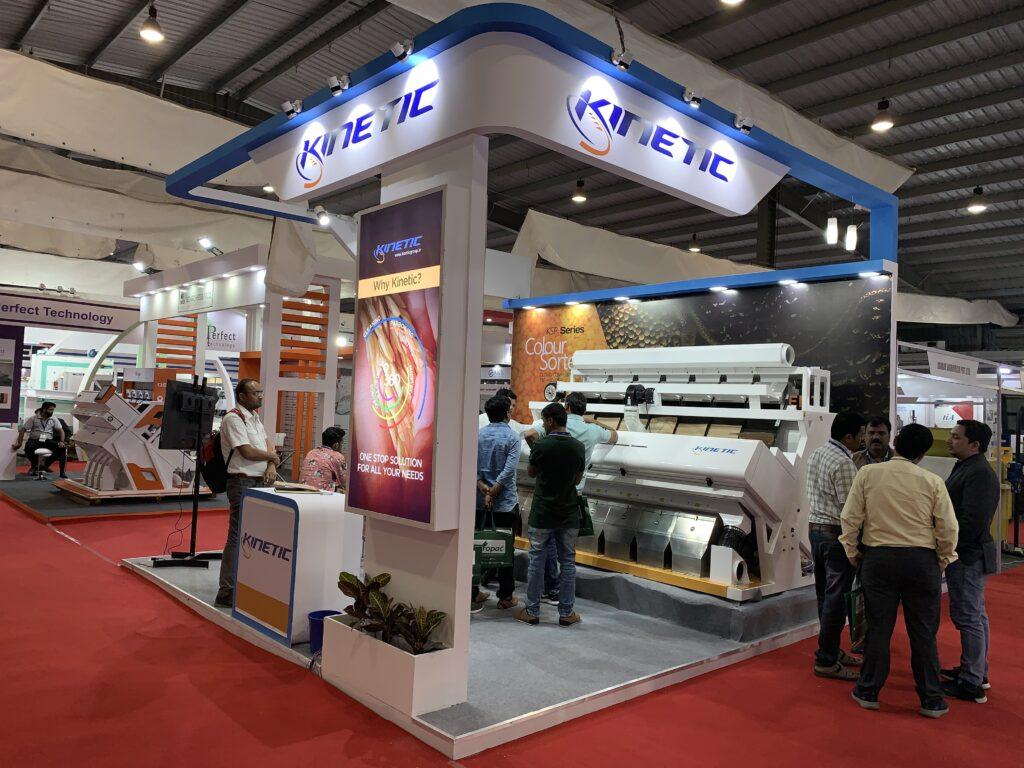
Organizations like Kinetic Group Official Website are contributing to this transformation by offering:
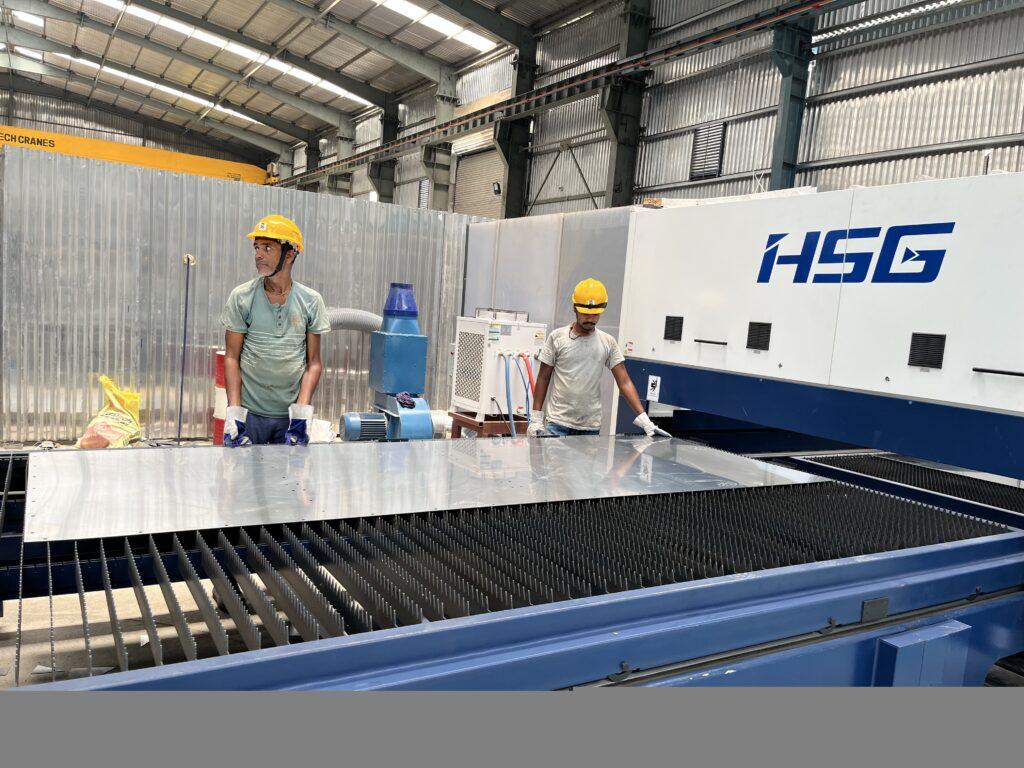
- Precision-engineered machinery
- Energy-efficient systems
- Advanced automation solutions
- Sustainable manufacturing technologies
This enables rice mill operators to reduce energy costs while maximizing output and profitability.
Conclusion
Energy efficiency in rice mills is not just about reducing electricity consumption—it is about building a competitive and future-ready business.
By upgrading machinery, optimizing processes, and adopting modern technologies, rice mills can achieve lower costs, higher output, and improved sustainability.
Energy efficiency should be viewed as a long-term investment that drives growth and operational excellence.