Rice Milling Process Step by Step
Rice milling is one of the most important processes in the agro-processing industry. It is the transformation of raw paddy into consumable rice through a series of cleaning, husking, polishing, and grading operations. Understanding the rice milling process helps mill owners improve yield, reduce losses, and increase profitability.
In this blog, we will explain the complete rice milling process step by step, from raw paddy to finished rice.
What is Rice Milling?
Rice milling is the process of removing the outer husk and bran layers from paddy to produce edible white rice. The efficiency of this process determines:
- Rice quality
- Percentage of broken rice
- Market value
- Overall profit margin
Modern rice mills use automated machines to ensure higher efficiency and better output quality.
Step-by-Step Rice Milling Process
1. Paddy Cleaning (Pre-Cleaning Process)
The first step is removing unwanted materials from raw paddy such as:
- Dust
- Stones
- Straw
- Metal particles
Machines used:
- Pre-cleaner
- Vibro cleaner
This step ensures that only clean paddy enters the milling system.
2. Paddy Drying (Moisture Control)
Proper moisture content is very important for efficient milling.
- Ideal moisture level: 12–14%
- Excess moisture leads to: breakage and poor quality rice
Machines used:
- Paddy dryer systems
- Parboiling and drying plants
3. Husking (Removing the Outer Husk)
In this stage, the outer husk of the paddy is removed to produce brown rice.
Machines used:
- Rice husker machine
- Rubber roll sheller
Output:
- Brown rice
- Husk waste
4. Separation of Brown Rice and Husk
After husking, mixture of brown rice and husk is separated.
Machines used:
- Paddy separator
This ensures clean separation for next processing stage.
5. Whitening / Polishing
This is the most important step in rice milling. The bran layer is removed from brown rice to produce white rice.
Machines used:
- Rice whitener
- Rice polisher
This step improves:
- Appearance
- Taste
- Market value
6. Grading and Sorting
After polishing, rice is sorted based on size and quality.
Machines used:
- Rice grader
- Length grader
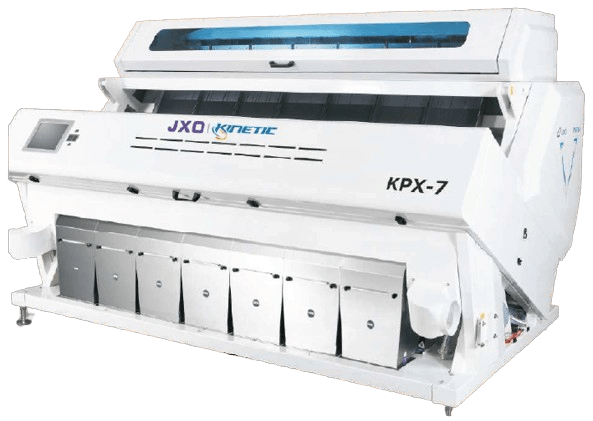
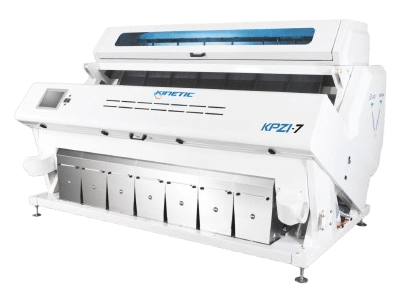
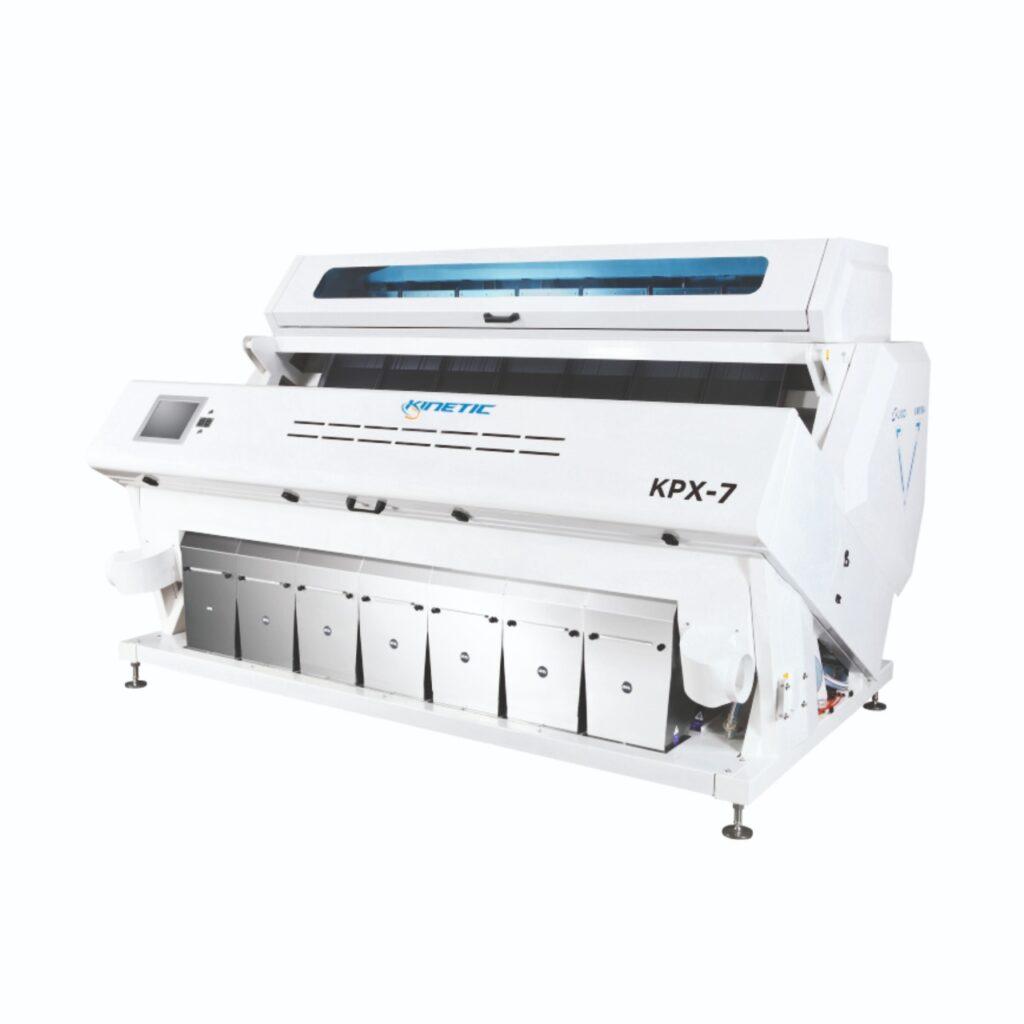
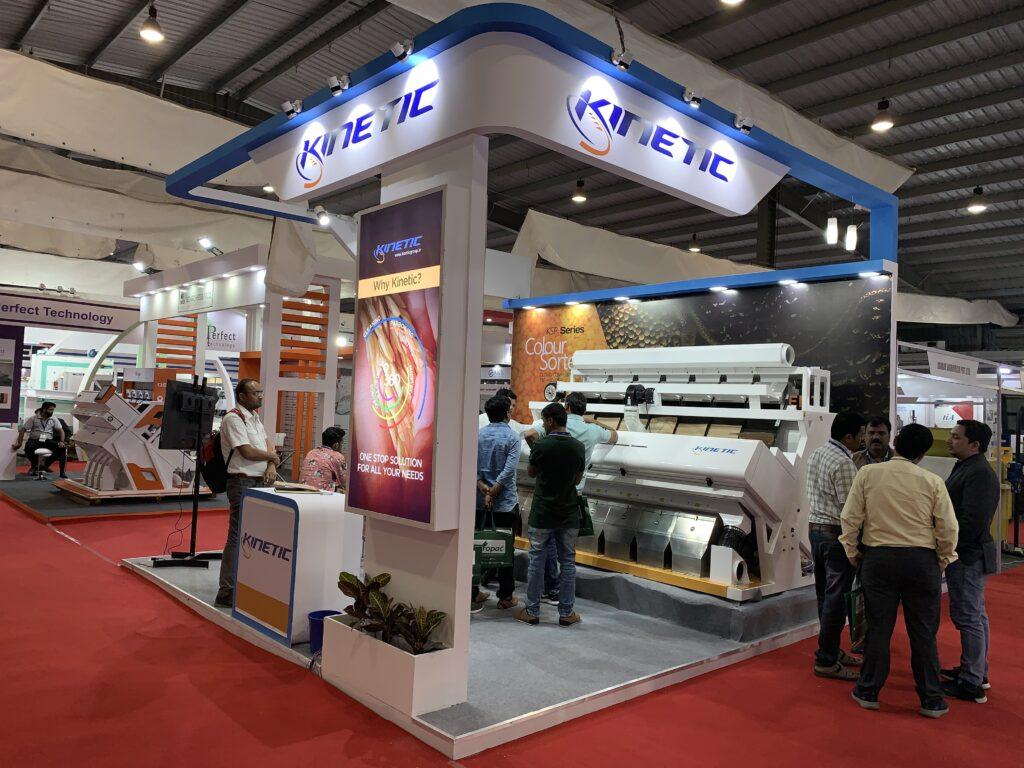
- Color sorter machine
Benefits of color sorter:
- Removes discolored grains
- Improves export quality
- Increases market price
7. Broken Rice Separation
Broken rice is separated from whole grains for different market uses.
Machines used:
- Broken rice separator
8. Final Packaging
The final step is packaging the finished rice for distribution and sale.
Machines used:
- Weighing machine
- Packaging machine
Proper packaging ensures:
- Longer shelf life
- Better market presentation
Importance of Modern Rice Milling Technology
Modern rice mills use automation and advanced machinery to:
- Reduce grain loss
- Improve rice quality
- Increase production speed
- Reduce manpower cost
- Enhance profitability
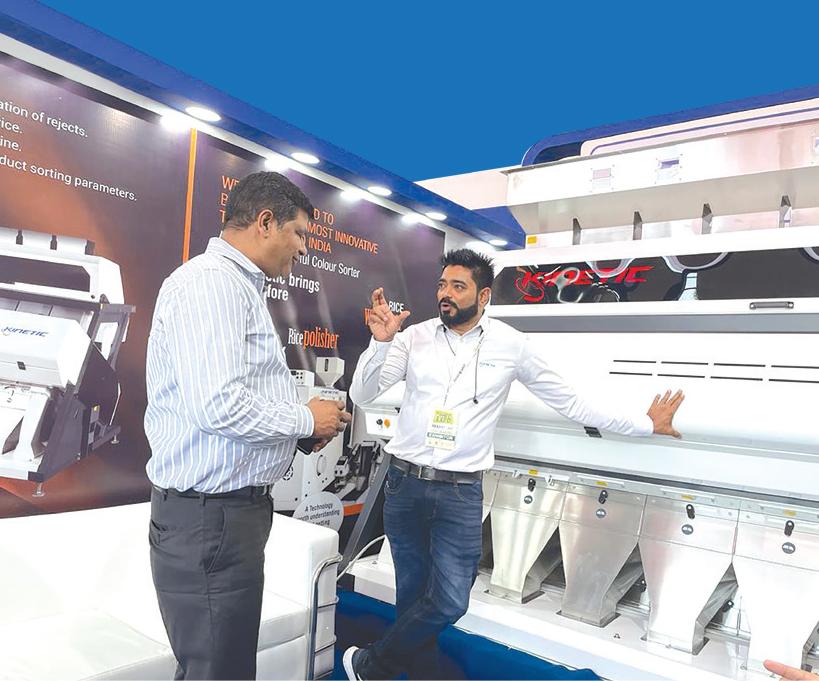
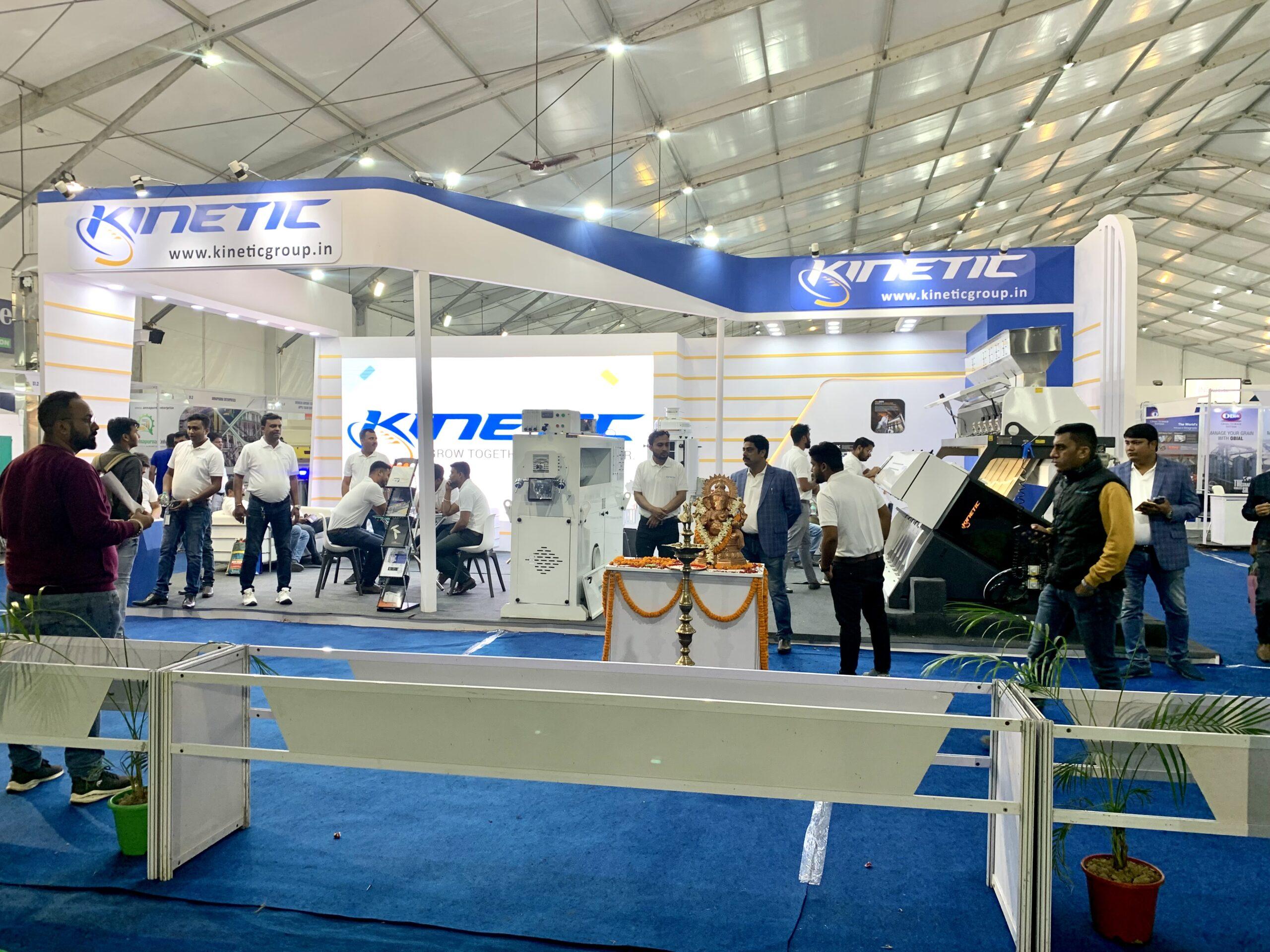
How Kinetic Group Helps in Rice Milling Industry
Kinetic Group provides advanced rice milling solutions including:
- Color sorter machines
- Parboiling and drying systems
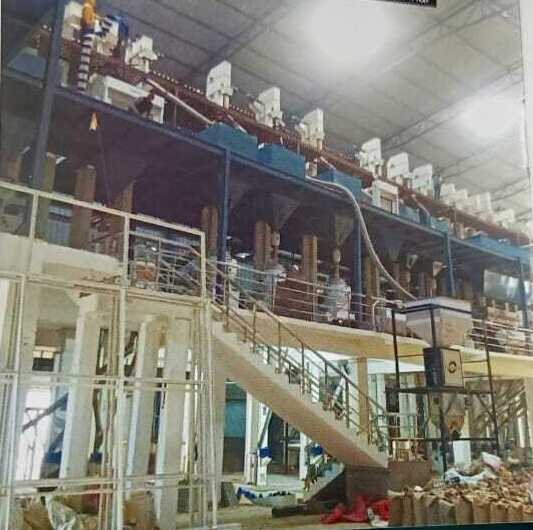
- Complete rice mill plant setup
- Automation solutions for agro-processing
With modern technology, rice mill owners can significantly improve efficiency and maximize profit.
Common Challenges in Rice Milling
- High broken rice percentage
- Moisture imbalance
- Machine inefficiency
- Dust and impurity issues
- Lack of automation
These challenges can be solved using modern integrated machinery solutions.
Final Thoughts
Rice milling is a multi-step process that requires precision, technology, and proper machinery. From paddy cleaning to final packaging, every step plays a crucial role in determining the quality and profitability of rice production.
Investing in modern rice milling equipment is essential for achieving higher output and better market value.